UN Clashes: South Korea Accuses North of DMZ Landmine Explosion, Calling It Armistice Violation
Key Points
- South Korean Ambassador to the UN Cha Ji-hoon stated at the 81st UN General Assembly that North Korean troops deliberately planted landmines south of the Military Demarcation Line, triggering the Sept
- Ambassador Cha condemned the incident as a clear violation of the 1953 Armistice Agreement, demanding an immediate halt to provocations, a formal public apology, and a return to trust-building dialogu
- North Korea's representative rejected the accusation, defending its southern border fortification as a legitimate exercise of sovereignty and dismissing South Korea's objections as malicious interfere
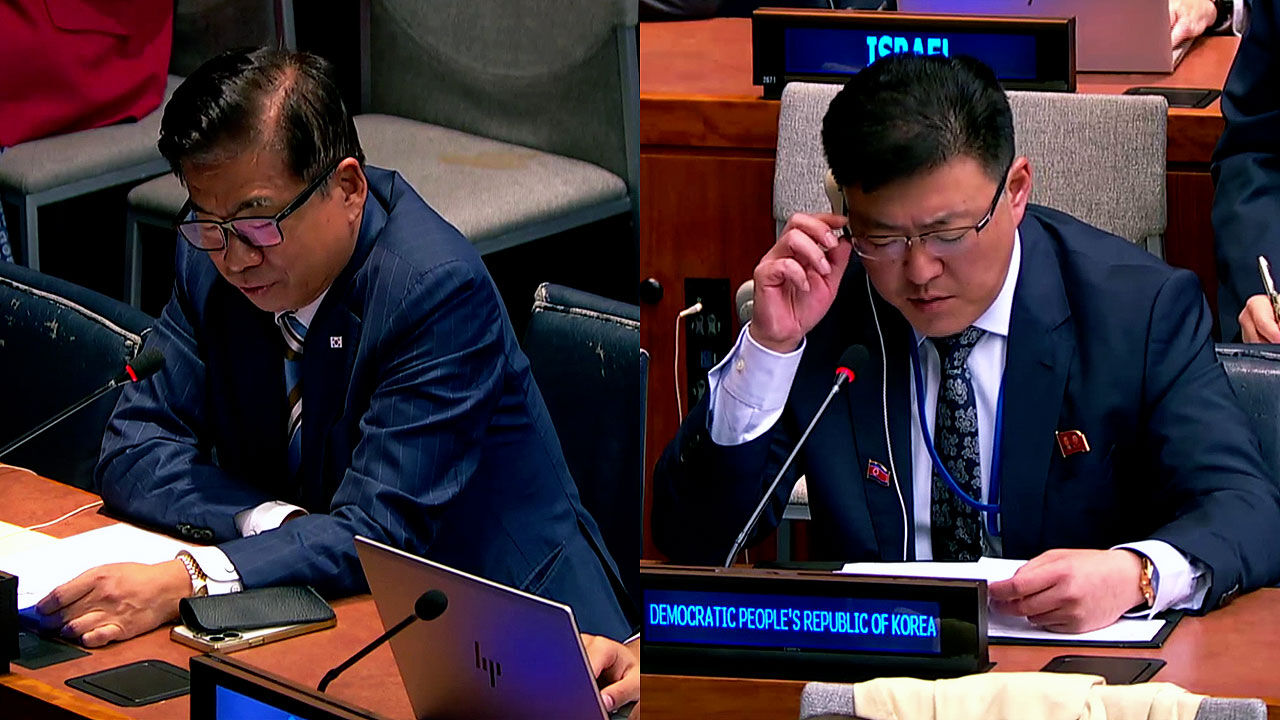
Summary A sharp diplomatic clash unfolded between South and North Korea on the global stage during the 81st session of the United Nations General Assembly in New York. South Korea’s Ambassador to the UN, Cha Ji-hoon, formally accused North Korea of a blatant breach of peace following an investigation into a landmine explosion that took place on September 21 in the Demilitarized Zone (DMZ). According to Ambassador Cha, military authorities confirmed that North Korean forces had deliberately laid mines south of the Military Demarcation Line (MDL), directly triggering the blast and marking an undeniable violation of the 1953 Korean Armistice Agreement.
To understand the gravity of this confrontation, international observers must look at the unique and fragile security landscape of the Korean Peninsula. The Korean War (1950–1953) concluded not with a comprehensive peace treaty, but with an armistice agreement that established the 4-kilometer-wide DMZ, bisected down the middle by the MDL. This heavily fortified corridor has served as a buffer between the two Koreas for over seven decades. Any unauthorized military movement, construction, or weapon placement south of the demarcation line is treated as an overt provocation that threatens the fragile truce that has kept open conflict at bay.
In his address at the UN, Ambassador Cha demanded that Pyongyang immediately cease all actions that escalate regional tensions. He called on North Korea to issue a formal public apology, hold those responsible accountable, and return to meaningful dialogue aimed at lowering tensions and rebuilding mutual trust. The South Korean stance underscores Seoul's policy of maintaining rigorous deterrence while keeping diplomatic avenues open for de-escalation.
In response, North Korea's delegation firmly rebuffed the allegations. The North Korean representative claimed that the landmine explosion controversy was merely an attempt by the South to characterize North Korea's legitimate sovereign border fortification efforts as military aggression. In recent months, Pyongyang has focused heavily on physical separation and fortification along the southern border, framing these activities as sovereign defense measures against external threats.
For global readers following Korean society and affairs, this exchange highlights the persistent geopolitical friction that coexists alongside South Korea's vibrant cultural dynamism. While South Korean culture, media, and technology continue to capture global attention, the unresolved division of the peninsula and ongoing tensions along the DMZ remain central realities defining national security, military readiness, and diplomacy on the world stage.
Sponsored · Ad