From $5 to $300: How Fake 'Myopia-Control' Lenses Exploited Anxious Parents with a 66-Fold Markup
Key Points
- Wholesale merchants in China's major eyewear hub were caught selling supposed high-tech children's myopia lenses costing just 30 yuan (6,000 KRW) for 1,980 yuan (400,000 KRW).
- The report gained significant traction as it exposed deceitful 'packaging swapping,' where cheap domestic lenses were repackaged as prestigious imported brands like Nikon.
- Local market regulators stepped in to penalize vendors and halt exaggerated advertising that preys on parents eager to protect their children's eyesight.
Summary A consumer scandal uncovered in China is capturing widespread attention across East Asian media, highlighting how unscrupulous merchants exploit anxious parents who want the best for their children's health.
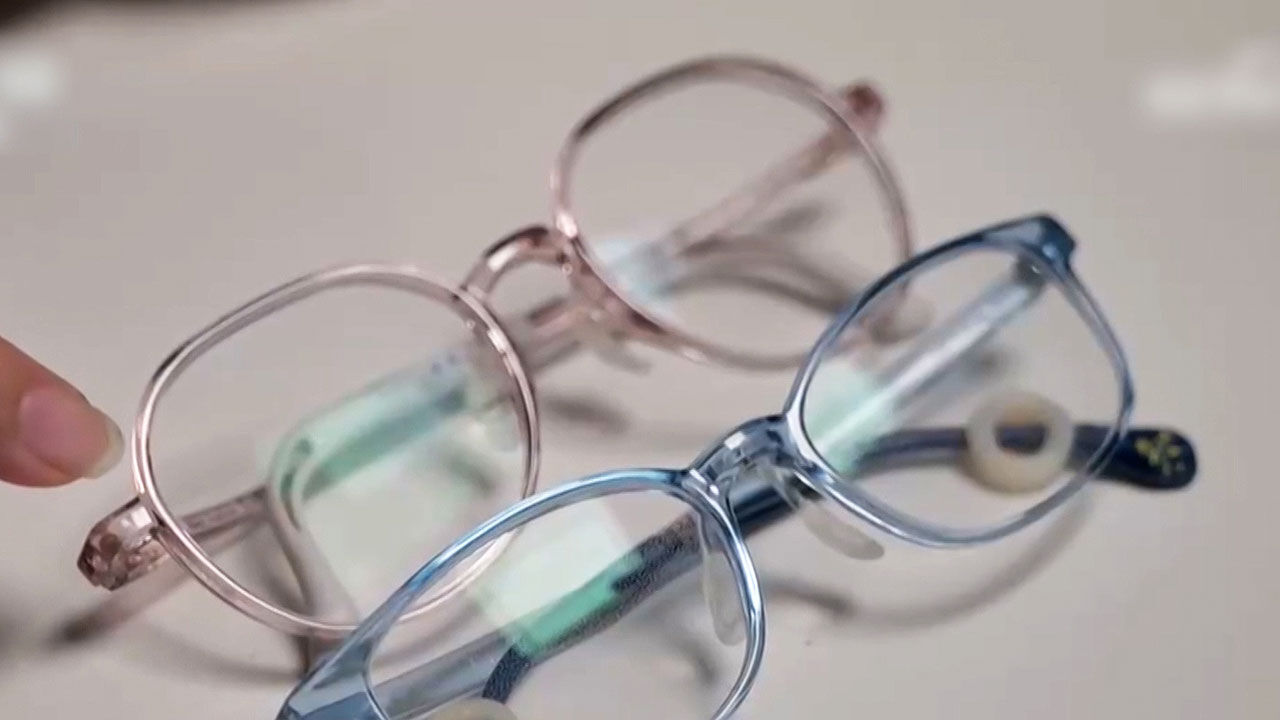
According to an investigative report by China Central Television (CCTV) relayed by Korean broadcasters, specialized "myopia-control lenses" designed for growing children and teenagers have become a lucrative craze. Promising advanced micro-structure technology capable of slowing the progression of nearsightedness, these lenses are retailed to parents for as much as 1,980 yuan (approximately 400,000 KRW, or around $300 USD) per pair. In societies where academic pressure and heavy screen time make pediatric myopia a widespread concern, parents readily opened their wallets for what they believed was a vital investment in their child's vision.
However, undercover investigations at the Danyang wholesale market in Jiangsu Province—China’s largest eyewear manufacturing and wholesale hub, producing over 400 million pairs of lenses annually—revealed a shocking reality. The actual wholesale cost of these supposedly high-tech lenses was merely 30 yuan (roughly 6,000 KRW, or under $5 USD). Despite functional differences from standard vision-correction lenses being negligible at best, the products were marked up by an astonishing 66 times.
Worse still, investigators discovered blatant counterfeiting practices known as "packaging swapping." Wholesalers admitted to taking domestic, low-cost lenses (such as brands like 'Aixuekong') and repackaging them inside premium packaging from renowned international brands like Nikon. Certain merchants were even found circulating unstandardized, uncertified lenses that had undergone zero official quality or safety testing.
Following the revelations, local market regulation authorities launched an official crackdown, confirming rampant false advertising and illicit profiteering. While legal penalties and further probes are underway, the scandal serves as a stark reminder across the region of how predatory marketing can prey upon parental devotion.
Sponsored · Ad