Espionage Behind the Screen: OpenAI Engineer Indicted for Hiding Listening Bug Wrapped in Tissue in Executive Boardroom
Key Points
- A 35-year-old engineer was arrested and indicted in U.S. federal court for planting an encrypted audio listening bug plugged into a TV USB port in OpenAI's executive conference room.
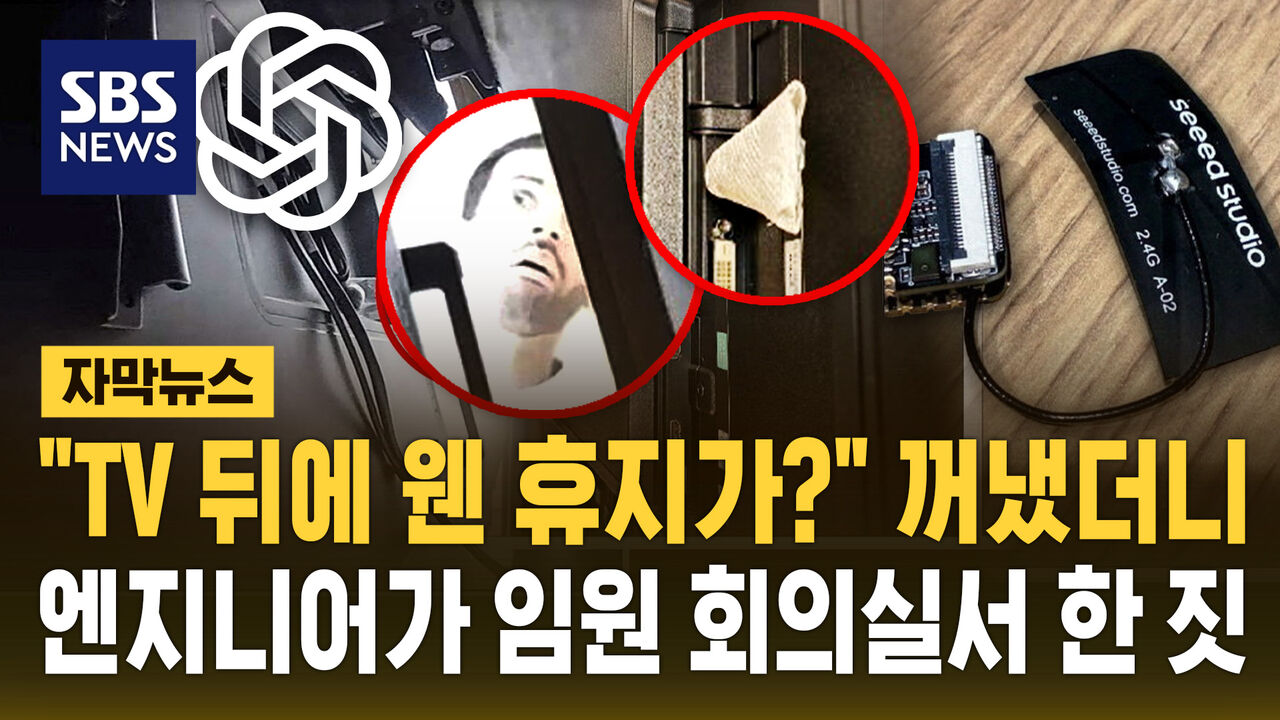
- Korean news outlets highlighted the bizarre contrast between cutting-edge AI technology and the crude espionage method of wrapping the listening device in ordinary toilet tissue.
- U.S. federal authorities characterized the incident as an acute economic and national security threat targeting core intellectual property and unreleased technology strategies.
Summary A corporate espionage scandal straight out of a spy thriller has gripped South Korean tech watchers after an engineer was indicted in U.S. federal court for bugging an executive conference room at OpenAI headquarters.
According to reports broadcast by South Korean network SBS, the U.S. Department of Justice announced that 35-year-old Saudi national Abdulrahman Alfozan made his initial appearance in federal court. Alfozan, who joined OpenAI as an engineer in July of last year, allegedly infiltrated a restricted executive boardroom where high-stakes matters were regularly discussed—including proprietary frontier research, unreleased product roadmaps, and government collaboration initiatives.
The method of concealment drew widespread disbelief and fascination in Korea: Alfozan reportedly wrapped an audio recording device in ordinary bathroom tissue and plugged it into a USB port hidden behind a television screen mounted in the conference room. Internal OpenAI staff uncovered the bizarre, paper-wrapped device on September 30, with technical analysis determining that the encrypted listening apparatus had been active since around September 28.
Federal investigators from the FBI and U.S. intelligence agencies tracked Alfozan’s movements via security CCTV footage, observing him lingering around the restricted executive suite over several consecutive days. When authorities moved to arrest him on October 9, they discovered additional audio recording devices inside his bag. Facing charges that could carry up to five years in federal prison and a $250,000 fine, the case has been classified by U.S. authorities as a serious attempt at intellectual property theft with severe implications for national and economic security.
In South Korea, where cutting-edge artificial intelligence, semiconductor leadership, and cybersecurity dominate both public discourse and national industrial policy, the report quickly captured public attention under the "bizarre" and tech-thriller spotlight. Korean media highlighted the startling contrast between OpenAI's ultra-advanced artificial intelligence technology and the comically low-tech espionage technique of concealing surveillance hardware inside toilet tissue behind a TV set.
Sponsored · Ad