Hit Film 'The Assassin(s)' Sparks Intense Historical Debate in South Korea, Fueling First Film-Focused TV Debate in 19 Years
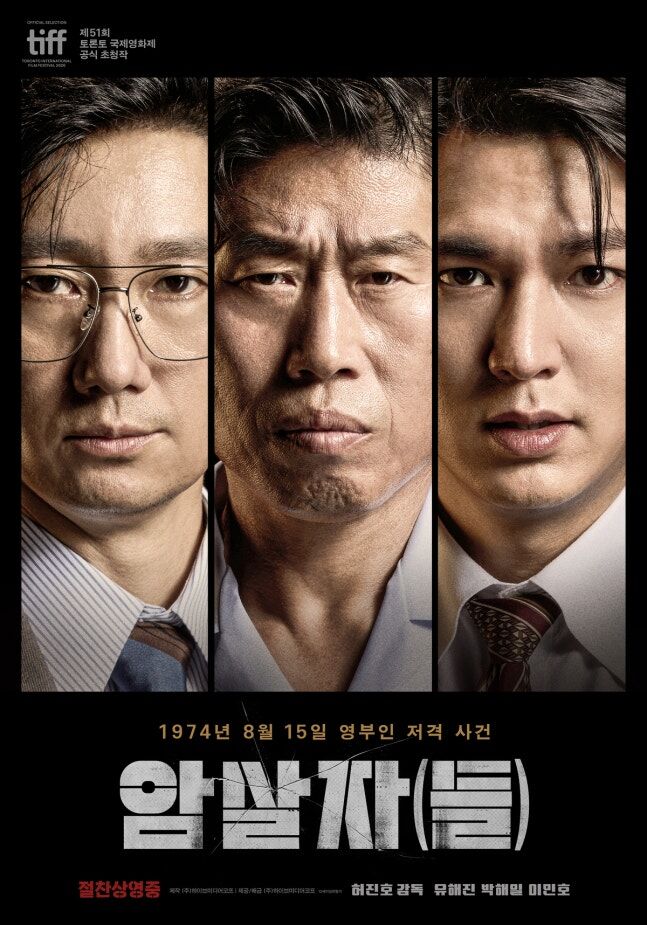
Key Points
- MBC's premier current-affairs show '100-Minute Debate' aired a special episode addressing the historical distortion controversy surrounding the box-office hit 'The Assassin(s)'.
- The broadcast marks the first time in 19 years since the 2007 film 'D-War' that the program devoted a full debate to an individual movie, underscoring its nationwide impact.
- While political factions clashed over whether portraying a conspiracy in the 1974 assassination of First Lady Yuk Young-soo crosses the line into distortion, panelists unanimously condemned targeted a
Summary A fierce cultural and political debate has erupted in South Korea over the blockbuster film 'The Assassin(s)' (암살자(들)), prompting MBC's flagship debate program '100-Minute Debate' (100분 토론) to dedicate an entire episode to a single movie for the first time in 19 years since Shim Hyung-rae's controversial fantasy film 'D-War' in 2007.
Released late last month, 'The Assassin(s)' quickly surged past 3 million admissions at the domestic box office within just 20 days. The film draws its central motif from the 1974 assassination of South Korea's then-First Lady Yuk Young-soo—wife of President Park Chung-hee—by Mun Se-gwang. However, the film incorporates dramatic fictional elements, suggesting a hypothetical scenario involving the ruling regime's behind-the-scenes complicity in the incident.
This creative liberty ignited an intense clash between political camps and the film industry. Conservative politicians, including figures from the People Power Party, have strongly protested, arguing that the movie distorts established judicial rulings and historical consensus while defaming the deceased. In contrast, progressive figures from the Democratic Party contend that excessive political interference infringes on artistic freedom and could stifle the South Korean cinema industry.
During the broadcast, panelists debated the fine line between historical veracity and cinematic imagination. Panelists representing the creative perspective argued that judgment must be left entirely to moviegoers, emphasizing that politicians should not overstep into artistic expression or encourage public harassment and protests outside actors' private residences. Meanwhile, conservative representatives insisted that while artistic license exists, commercial films should not distort proven historical facts. Interestingly, historian Shim Yong-hwan observed that while the movie's historical sourcing and period verification were notably flawed, turning the production into a bitter political battlefield was an unnecessary controversy. Despite their sharp ideological disagreements, all panelists united in condemning personal attacks and targeted protests directed at individual cast members.
Sponsored · Ad