China and Indonesia Resume Joint Army Counter-Terror Drills After 14-Year Hiatus
Key Points
- China and Indonesia will conduct their joint army counter-terrorism drill, 'Sharp Knife 2026,' in Guangdong Province from late October to early November.
- This marks the first resumption of the bilateral special forces exercises since they were halted 14 years ago in 2012 following regional maritime tensions near the Natuna Islands.
- The training focuses on mountainous hostage rescue and non-traditional security cooperation, including tackling cross-border telecom fraud and human trafficking.
Summary China and Indonesia are resuming joint counter-terrorism army exercises for the first time in 14 years, signaling a strategic recalibration in Southeast Asian defense diplomacy. According to reports citing China's Global Times and Defense Ministry, the joint military drills, titled "Sharp Knife 2026," are scheduled to take place from late October to early November in China's southern Guangdong Province. The exercises emphasize mountainous counter-terror rescue missions, encompassing advanced rock-face climbing, specialized combat vehicle navigation, helicopter-borne infiltration, close-quarters combat, and integrated crewed-uncrewed tactical coordination.
The "Sharp Knife" series was initially launched in June 2011 in Bandung, Indonesia, followed by a second iteration in Jinan, Shandong Province, in July 2012. However, the bilateral exercises were subsequently suspended without official public explanation. Security analysts and Indonesian research institutes previously linked the pause around 2015 to maritime friction and disputes over China's incursions into Indonesia's exclusive economic zone (EEZ) surrounding the Natuna Islands.
Military observers highlight that while the drill involves high-intensity special operations tactics—such as drone surveillance combined with ground encirclement and indoor hostage rescue—it is categorized under non-traditional security cooperation. This framework extends beyond conventional military readiness to address escalating transnational crimes affecting the region, including telecom fraud syndicates, human trafficking networks, and illicit cross-border asset transfers.
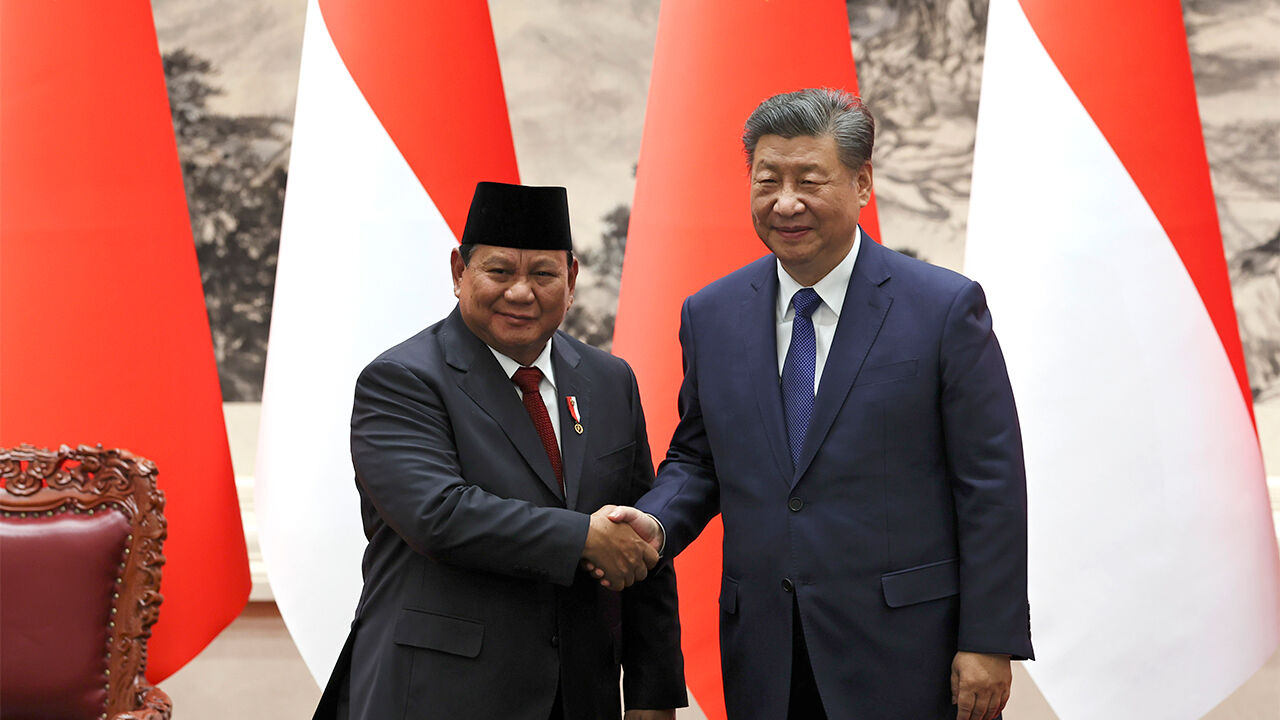
The revival of joint military drills also mirrors expanding diplomatic alignment under Indonesian President Prabowo Subianto and Chinese President Xi Jinping. Analysts note that China has sought closer security coordination with Jakarta, partly as a counterbalance to rising tensions involving the Philippines in the South China Sea. Bolstering this relationship, China and Indonesia established a ministerial "2+2" dialogue mechanism involving their foreign and defense ministers, marking Beijing's first such high-level dialogue framework established with a foreign nation.
Sponsored · Ad