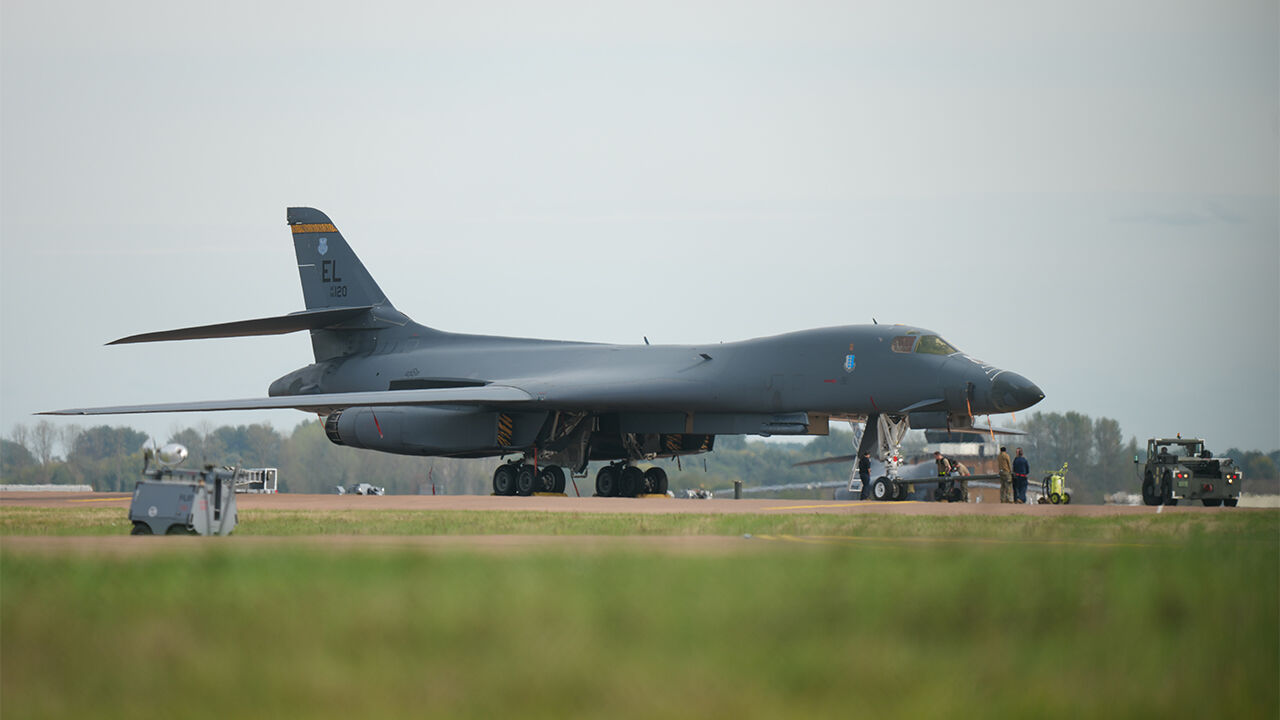
U.S. Abruptly Pulls 12 B-1 Bombers from UK Airbase Amid Threat of Iranian Drone Strike
Key Points
- The U.S. military returned all 12 B-1 strategic bombers stationed at RAF Fairford in the UK back to American soil following warnings of an imminent Iranian drone strike.
- The report drew attention in Korea due to high public familiarity with the B-1 bomber, a signature deterrence asset often deployed to the Korean Peninsula during regional security standoffs.
- U.S. and British authorities acted on intelligence indicating an Iranian-backed plot to launch truck-borne drones and vehicle explosives aimed at destroying military aircraft and targeting American ai
Summary The United States has abruptly withdrawn a fleet of 12 B-1 Lancer strategic bombers stationed at a key Royal Air Force base in the United Kingdom following alarming intelligence reports of an imminent Iranian-linked strike. According to reporting from major international outlets cited by South Korean broadcasters, intelligence indicated that Iran's Islamic Revolutionary Guard Corps (IRGC) was orchestrating a multi-stage drone and explosive operation targeting RAF Fairford in Gloucestershire.
RAF Fairford serves as one of the most critical European operational hubs for the United States Air Force, routinely acting as a staging ground for long-range missions into the Middle East. Officials disclosed that the planned strike sought to destroy military aircraft parked at the installation and target American service personnel, including bomber pilots. The plot reportedly mirrored asymmetrical drone tactics deployed in recent global conflicts, where small unmanned aerial systems were smuggled inland via trucks and launched in close proximity to heavily secured airbases.
The security alert intensified following the late-September arrest of five masked men traveling from London toward the base in a van loaded with fuel containers. While the suspects were subsequently released on bail without immediate formal charges, British authorities maintained that strong circumstantial links connect the network to Iranian operatives who recruited domestic assets. U.S. Vice President JD Vance described the strategic withdrawal of the bombers back to the American homeland as an exercise of "extreme caution" intended to safeguard personnel against persistent overseas terror threats.
In South Korea, international military maneuvers involving U.S. strategic assets like the supersonic B-1 Lancer regularly command significant public attention. Known colloquially in South Korean defense media as the 'Swan of Death' (죽음의 백조) due to its distinctive swept-wing silhouette and immense conventional strike power, the B-1 is frequently deployed to the Korean Peninsula as a visible deterrence measure during heightened regional tensions. Consequently, news of potential vulnerability and sudden repositioning of these bombers from allied bases abroad generates keen interest among Korean defense watchers monitoring shifts in global security alignments and modern asymmetric drone warfare.
Sponsored · Ad