Cracks Emerge in AI Debt Boom: CoreWeave Bond Plunge and Permitting Woes Shake Markets
Key Points
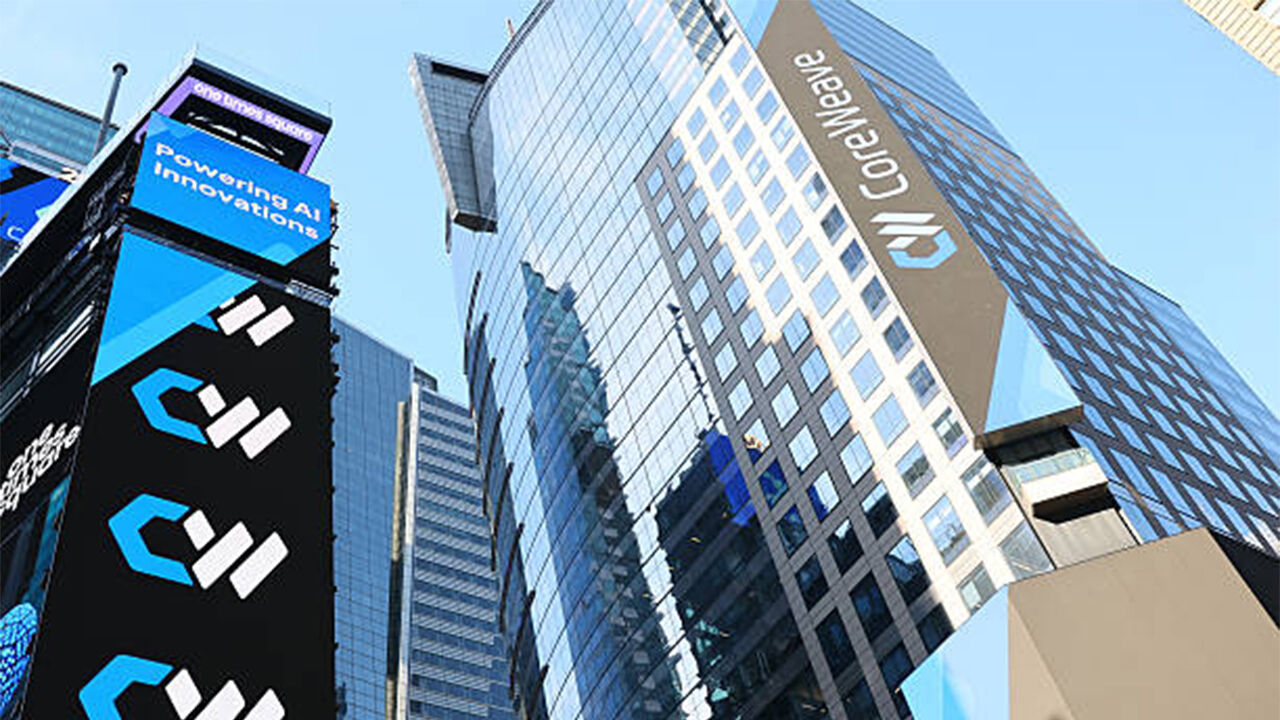
- Concerns over heavy corporate borrowing for AI data centers have escalated as CoreWeave's debt reached $72 billion, sending its bond yields above 15% and stock down 24%.
- Korean financial and business audiences are closely monitoring this report as global markets question the profitability and debt sustainability of hyperscale AI infrastructure.
- Comparisons to the WeWork business model and widespread power grid permitting delays in the US highlight the growing mismatch between heavy upfront borrowing and future revenue generation.
Summary A growing wave of skepticism is sweeping through global technology markets as mounting corporate debt tied to artificial intelligence (AI) infrastructure construction sparks widespread anxiety over whether AI data center projects can deliver on their promises of profitability.
According to reports citing the New York Times, major market attention has zeroed in on specialized AI infrastructure provider CoreWeave, alongside industry giants like Oracle and SoftBank. Concerns intensified after CoreWeave—operating 51 data centers—accumulated approximately $72 billion in debt. Financial markets have priced in a default probability exceeding 60%, pushing yields on CoreWeave corporate bonds beyond 15% into junk or speculative-grade territory, while its stock tumbled 24% over the past week, including a steep 12% single-day drop on October 16.
Market analysts have drawn uneasy parallels between CoreWeave's structure and the collapsed shared-workspace model of WeWork. CoreWeave procures high-end AI chips produced by Nvidia, enters into long-term leases of 15 years or more with facility owners, outfits the space with AI computing infrastructure, and subleases the computing capacity to hyperscalers and tech titans such as Meta, Microsoft, and OpenAI. However, CoreWeave shoulders the full front-loaded financial burden of chip acquisition, data center outfitting, and operations before generating revenue. Crucially, it remains locked into multi-decade facility leases even after client lease contracts expire, raising deep fears among investors that hyperscalers may eventually bypass third-party providers or that facilities could face rapid obsolescence.
In response, CoreWeave representatives and leadership defended the company’s capital structure. Spokesperson Leah Davis stated that the complexity of their financing reflects prudent and sound management, while CEO Michael Intrator told employees in an internal memo that leadership maintains complete confidence in their business model, execution, and financial architecture, dismissing recent market sell-offs as irrational.
Nevertheless, distress signals are rippling across the wider sector. Credit spreads on risky AI-related debt have surged by over 50% in the past six months, according to Barclays. Compounding debt anxieties, data center projects face severe infrastructure bottlenecks and grid approval delays. For instance, Oracle’s planned 902-megawatt data center in Wisconsin has seen power grid approvals postponed, pushing operational timelines past 2028, while Blue Owl's development in New Mexico faces similar permitting hurdles, leading portions of its related $18 billion debt to trade at just 80 cents on the dollar. As credit strategists note, markets are increasingly waking up to the sharp mismatch between capital borrowed today and actual future returns.
Sponsored · Ad