U.S. Experts Give Less Than 10% Chance for Trump-Kim Summit at Upcoming APEC Gathering
Key Points
- American think tank analysts assess that the probability of a bilateral summit between Donald Trump and Kim Jong Un during next month's APEC tour in Asia is under 10%.
- The analysis highlights that North Korea requires substantial preliminary concessions from Washington, such as easing hostile policy stances, before committing to another high-stakes meeting.
- Victor Cha of CSIS noted that North Korea has conducted 34 missile launches over the past 21 months, doubling its testing frequency from the same timeframe in Trump's first term while avoiding red lin
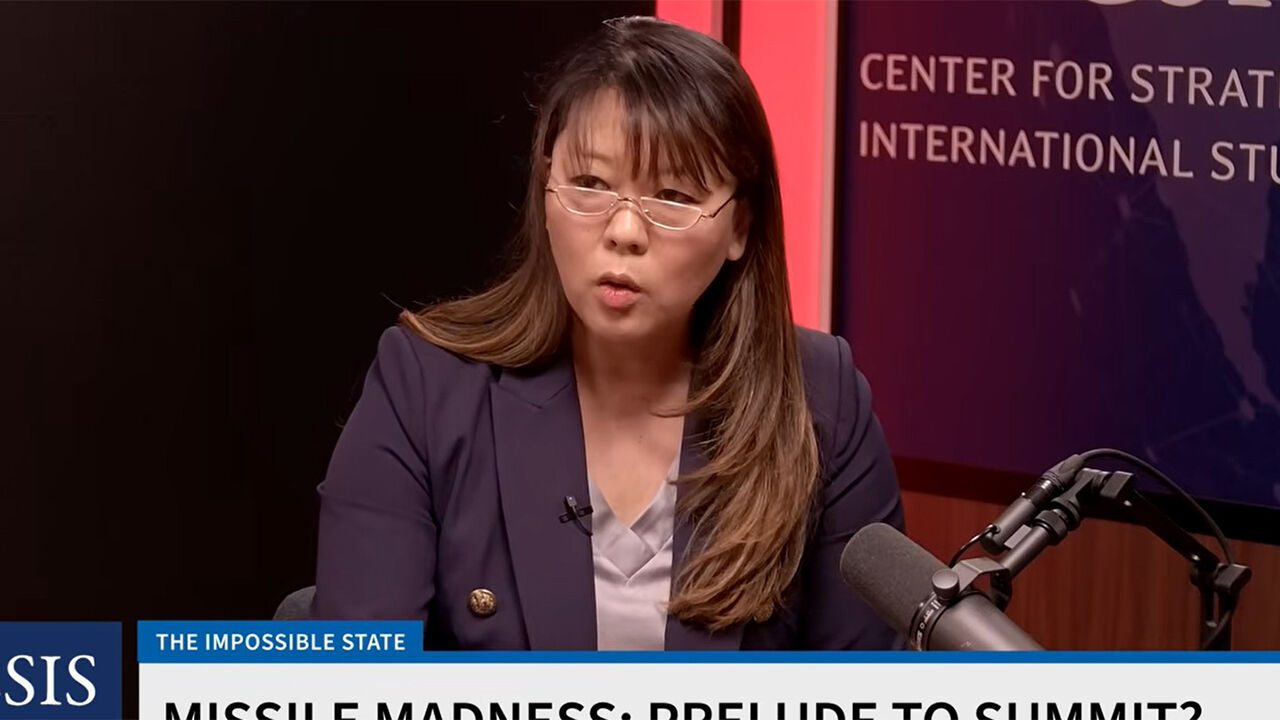
Summary U.S. foreign policy experts are casting doubt on the prospect of an impromptu summit between Donald Trump and North Korean leader Kim Jong Un during Trump's upcoming travel across Asia for the Asia-Pacific Economic Cooperation (APEC) summit. In an analysis shared on a podcast hosted by Victor Cha, the Korea Chair at the Center for Strategic and International Studies (CSIS), think tank specialists emphasized that the likelihood of another historic bilateral meeting happening on the sidelines of the regional summit remains below 10 percent.
Jenny Town, a senior fellow at the Stimson Center, explained that the real hurdle is not necessarily whether Pyongyang is willing to sit down, but whether Washington is prepared to offer tangible concessions. North Korea has consistently demanded upfront measures—such as easing hostile policies or de-emphasizing complete denuclearization—before returning to the negotiating table. Because Pyongyang views these outcomes as prerequisites rather than negotiable concessions earned through prolonged talks, it feels little urgency to engage without clear signals of a diplomatic shift from the United States.
Adding to this skepticism, Ankit Panda, a senior fellow at the Carnegie Endowment for International Peace, noted that political dynamics in Washington make an immediate breakthrough improbable. With the U.S. midterm elections approaching in early November, the American administration's focus will rapidly scatter to other domestic and international priorities. Panda suggested that if Washington wants to bring North Korea back into serious talks, off-the-cuff remarks during press gags will not suffice. Instead, a formalized, deliberate overture—such as a dedicated message within an upcoming State of the Union address—would carry the weight required to draw Pyongyang's genuine interest.
If a meeting were to materialize against the odds, Panda highlighted potential symbolic locations such as Panmunjom in the Joint Security Area (JSA), the tarmac at Pyongyang Sunan International Airport, or Beijing. Meanwhile, North Korea has maintained a calibrated posture, conducting frequent lower-tier missile tests—clocking 34 launches over the past 21 months compared to 17 during the same period in Trump's first term—while deliberately refraining from intercontinental ballistic missile (ICBM) tests or nuclear detonations that could force an immediate crisis. Experts interpret this restraint as a calculated effort to probe U.S. red lines without completely shutting the door on future diplomatic leverage.
Sponsored · Ad