Is the Ultra-Cheap 'Jikgu' Boom Over? EU Imposes Surcharges on Chinese Platforms Like Temu and AliExpress
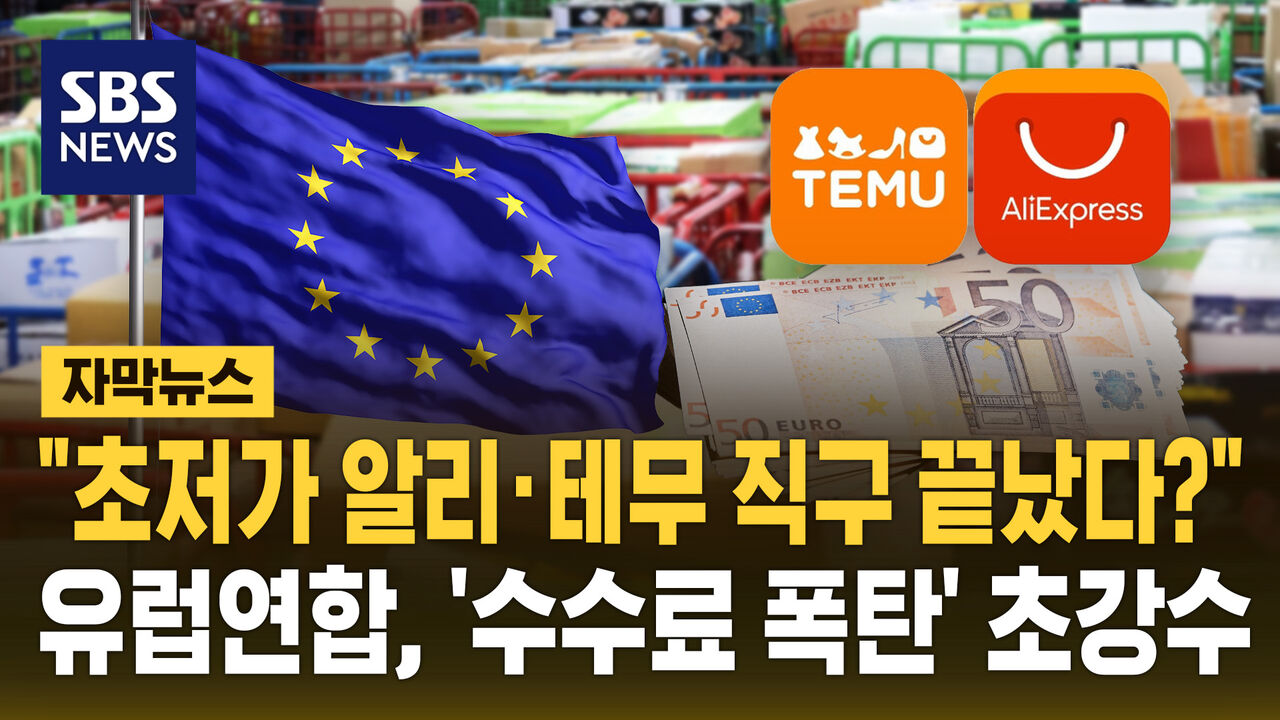
Key Points
- The European Union has begun levying a 2-euro handling fee per product category on incoming e-commerce parcels from non-EU countries regardless of parcel value.
- The move targets the massive influx of low-cost Chinese goods, following European Commission data showing roughly 6 billion budget parcels arrived last year with 93% shipped from China.
- Combined with existing provisional tariffs, total surcharges could hit 5 euros per item category, raising concerns that sellers will pass the added costs onto global online shoppers.
Summary The European Union has moved to rein in the deluge of ultra-cheap cross-border e-commerce parcels, introducing new surcharges that specifically impact fast-growing Chinese platforms such as AliExpress, Temu, and Shein. Under the new policy, incoming packages from non-EU nations are hit with a handling fee of 2 euros per distinct product category. Crucially, the fee applies regardless of the item's price and is determined not by the total parcel count, but by customs product classification. For instance, a parcel containing ten T-shirts incurs a single 2-euro fee, whereas a package with ten T-shirts and five hats triggers a 4-euro charge due to separate item categories.
This surcharge arrives on top of existing customs levies. Since July, the EU has enforced a provisional 3-euro customs tariff per item category on non-EU e-commerce packages valued under 150 euros. With the fresh 2-euro handling fee added, budget goods within that bracket now face up to 5 euros in fees per product category—excluding value-added tax (VAT) and standard courier fees. The compounding expenses represent a significant shift for low-cost cross-border retail.
The regulatory crackdown follows an explosive surge in ultra-cheap direct purchasing. According to European Commission figures, the EU received roughly 6 billion low-value e-commerce packages last year, with an overwhelming 93 percent dispatched from China. European customs authorities have found themselves heavily strained by inspection and clearance volumes fueled by the meteoric rise of Chinese digital retailers.
In South Korea, where direct overseas purchasing from Chinese platforms (commonly known as 'jikgu') has similarly sparked massive consumer craze alongside heated debates over domestic retail impact, safety standards, and customs burdens, European regulatory moves are being watched closely. While EU authorities claim the fees target platforms, sellers, and logistics operators rather than shoppers, industry analysts caution that businesses will likely pass along costs via higher retail prices or delivery fees, ultimately ending the era of ultra-cheap direct shopping.
Sponsored · Ad