Surprise Putin Call by Nordic Leaders Sparks European Debate over War Diplomacy
Key Points
- Finnish President Alexander Stubb and Norwegian Prime Minister Jonas Gahr Støre conducted an unannounced 90-minute joint phone call with Vladimir Putin to discuss peace negotiations.
- The outreach drew criticism from European allies like Denmark and Italy, who cautioned that uncoordinated bilateral contacts risk fracturing European solidarity.
- The Nordic leaders defended the move by emphasizing their geographical proximity as border nations to Russia that need direct dialogue to safeguard regional security.
Summary A surprise 90-minute phone call between Russian President Vladimir Putin and the leaders of Norway and Finland has sparked division across Europe, raising concerns over diplomatic coordination and negotiation strategy.
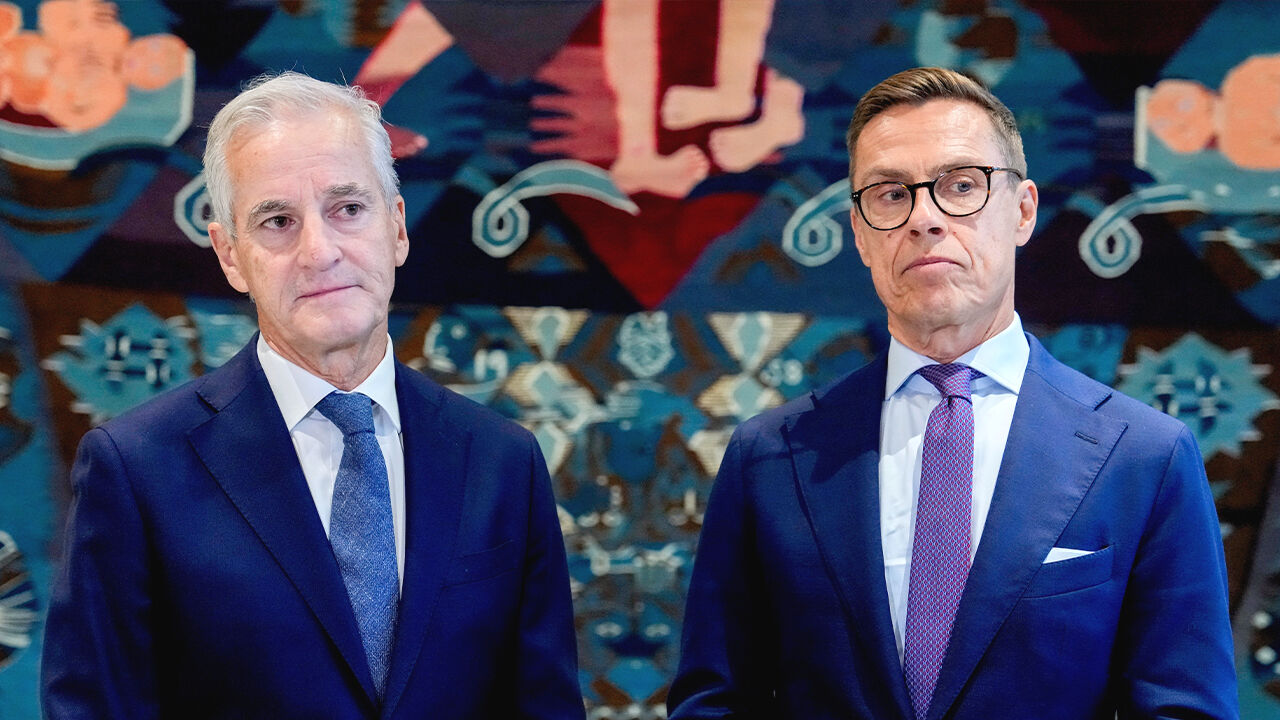
On October 27, Finnish President Alexander Stubb and Norwegian Prime Minister Jonas Gahr Støre held an unannounced joint conversation with Putin from Helsinki. According to their joint statement, the dialogue aimed to deliver a direct message regarding future negotiations to end the ongoing war in Ukraine. The Nordic leaders stated that the initiative was undertaken following prior consultations with both Ukraine and the United States, and that key European partners were notified before and after the exchange.
Despite these assurances, several European allies voiced skepticism and disapproval over the unilateral outreach. Danish Prime Minister Mette Frederiksen openly criticized the dialogue, cautioning that Russia has displayed no tangible interest in peace and urging European nations to maintain absolute unity rather than engaging in fragmented bilateral diplomacy. Italian officials also expressed concern, warning that such isolated moves expose internal European disagreements over who holds the mandate to represent the continent's collective security interests.
Defending their decision, President Stubb and Prime Minister Støre underscored their unique geographic reality as frontline nations sharing borders with Russia. They argued that neighbor states directly exposed to security repercussions must retain functional communication lines to explore diplomatic resolutions, asserting that open channels with Moscow should not remain the sole prerogative of the United States.
Sponsored · Ad