Flydubai Hijacking Suspect Aborted Earlier July Plot Because a Friend Was on Board, Reports Reveal
Key Points
- A flydubai co-pilot who attacked the captain with an axe on a Tel Aviv-bound flight had previously aborted a July hijacking attempt because a close friend was among the crew.
- The story has drawn widespread attention across Korean news outlets due to the staggering intelligence lapses that allowed an already-grounded extremist to fly international routes.
- Security oversights between Omani intelligence, flydubai, and Israeli aviation screening permitted over a thousand non-cleared crew members into Israeli airspace despite strict prohibitions.
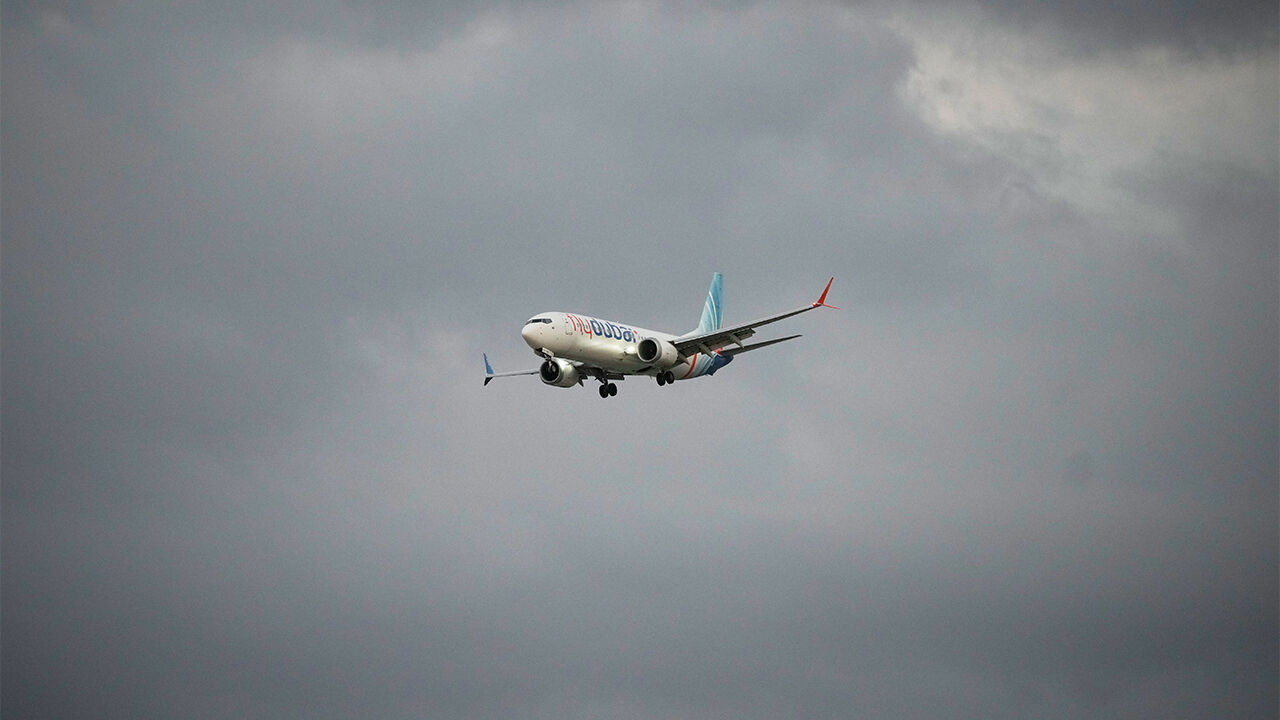
Summary A chilling incident involving an airline co-pilot has caught international headlines and spread rapidly across Korean news desks. Hamam Al-Hammami, an Omani co-pilot who attempted to hijack a flydubai flight heading toward Tel Aviv, reportedly planned a similar attack earlier in July but aborted the mission because a close friend was on board the flight.
According to investigative findings reported by foreign outlets and carried extensively in South Korea, Al-Hammami had previously been grounded by Oman Air due to concerns over his radicalized extremist beliefs. Despite being placed on desk duty and enrolled in a deradicalization program, Omani authorities did not share this vital security intelligence with international regulators. After being rejected by Royal Air Maroc, Al-Hammami managed to secure employment in February with flydubai, a low-cost carrier based in the United Arab Emirates, specifically angling for routes connected to Tel Aviv.
Investigators revealed that Al-Hammami intended to overpower the captain and crash the commercial airliner into a high-profile target such as Israel’s Ben Gurion Airport, allegedly motivated by the conflict in Gaza. His July attempt was called off at the last second strictly because a crew member he cared for was serving on that specific flight. However, on September 30, while operating a flight from Dubai to Tel Aviv, Al-Hammami launched a violent attack inside the cockpit using an emergency crash axe before being overpowered by the captain, crew, and alert passengers.
The revelation has ignited intense discussion in Korean media regarding glaring aviation security loopholes. Under Israeli regulations, pilots hailing from countries without diplomatic ties—such as Oman—are barred from operating flights into Tel Aviv, yet Israeli transport authorities failed to screen passenger and crew manifests properly. Korean readers and analysts tracking global transport security have noted with alarm how critical intelligence gaps and administrative oversights allowed a previously flagged extremist to command international cockpits.
Sponsored · Ad