Golden Glory on a Shoestring: Korea's Teqball and Kurash Champions Plead for Institutional Support
Key Points
- South Korea secured inaugural Asian Games gold medals in teqball and kurash through athletes Lee Jun-seok and Kim Min-young.
- The sports federations issued a joint appeal for corporate and municipal semi-pro team creation, revealing athletes must juggle ordinary jobs and self-fund their training.
- Currently categorized merely as recognized bodies under the Korean Sport & Olympic Committee, both federations seek systemic funding and infrastructure to turn individual sacrifices into a sustainable
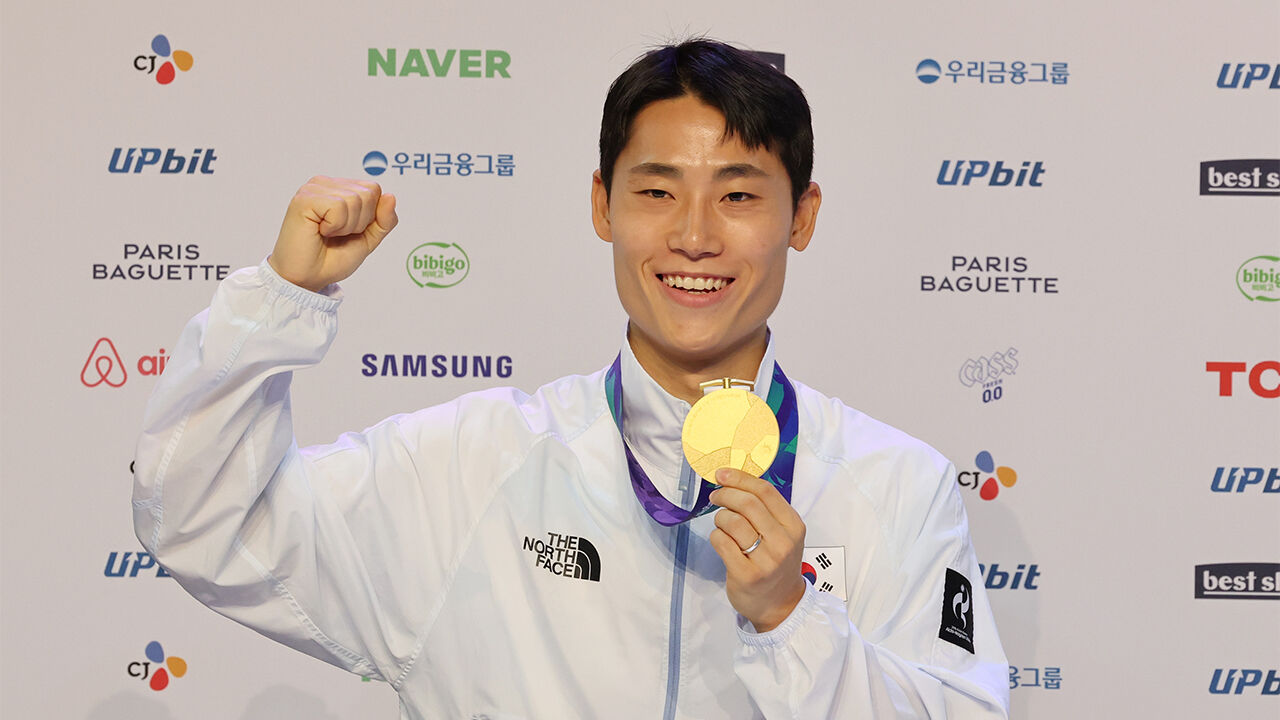
Summary At the 2026 Aichi-Nagoya Asian Games, South Korea celebrated historic milestone victories in newly adopted international disciplines: Lee Jun-seok claimed the inaugural gold medal in men's singles teqball, while 21-year-old Korea National Sport University student Kim Min-young captured gold in the women's kurash over-87kg division. Yet, despite standing atop the Asian podium, the athletes and their sports governing bodies face an uphill battle at home.
On October 12, the Korea Teqball Association and the Korea Kurash Federation issued a joint public appeal highlighting the harsh realities behind their golden triumphs. Unlike mainstream sports backed by corporate conglomerates or municipal squads, athletes in niche disciplines often have to juggle full-time regular jobs just to make ends meet while maintaining rigorous national-level training schedules. The federations revealed that national team training and international competition expenses have largely been financed out of the personal pockets of federation executives and private sponsors.
In South Korea's athletic ecosystem, structural support heavily relies on "sil-eop teams" (workplace or semi-professional sports teams sponsored by local municipal governments or corporations). Such teams provide athletes with a stable regular salary, specialized facilities, and guaranteed training time. Without sil-eop teams or official full-member affiliation status within the Korean Sport & Olympic Committee (KSOC)—where both organizations currently hold only provisional recognized body status—these sports lack basic administrative operational funds and training infrastructure.
Leaders Yoo Song-geun of the Teqball Association and Bae Hyung-sik of the Kurash Federation stressed that relying on pure individual sacrifice and passion is unsustainable. They called for institutional interventions, including administrative subsidies, public funding for international tournaments, and incentives for regional governments or corporations to establish semi-pro teams, ensuring that Korea's historic continental medals mark the beginning of sustainable sports development rather than fleeting one-off triumphs.
Sponsored · Ad