South Korea Takes Landmine Dispute to UN Security Council, Defending Border Warning Shots as Lawful Defense
Key Points
- South Korea’s UN Mission formally registered a letter with the UN Security Council drawing attention to an antipersonnel landmine explosion south of the Military Demarcation Line.
- The letter condemns North Korea’s border fortification as an Armistice violation and proactively affirms that South Korean warning shots are lawful, defensive actions against border breaches.
- Seoul opted to establish an official UN record rather than pursuing a Security Council resolution, taking into account the diplomatic realities of veto-holding members like Russia and China.
Summary A diplomatic clash between South and North Korea has officially reached the United Nations Security Council (UNSC) following an exchange of formal letters concerning inter-Korean border tensions and landmine incidents along the Demilitarized Zone (DMZ).
According to UN records, a formal letter sent on October 22 by South Korea’s Ambassador to the United Nations, Cha Ji-hoon, was circulated among UNSC member states and registered as an official document. In the letter, South Korea drew the Security Council’s attention to a landmine explosion that occurred on September 21 south of the Military Demarcation Line (MDL) inside the DMZ. Citing a joint investigation conducted by the Republic of Korea Joint Chiefs of Staff and the United Nations Command (UNC) on October 5, along with forensic analysis by the National Forensic Service, Seoul stated that the explosion was caused by antipersonnel landmines intentionally laid by North Korea.
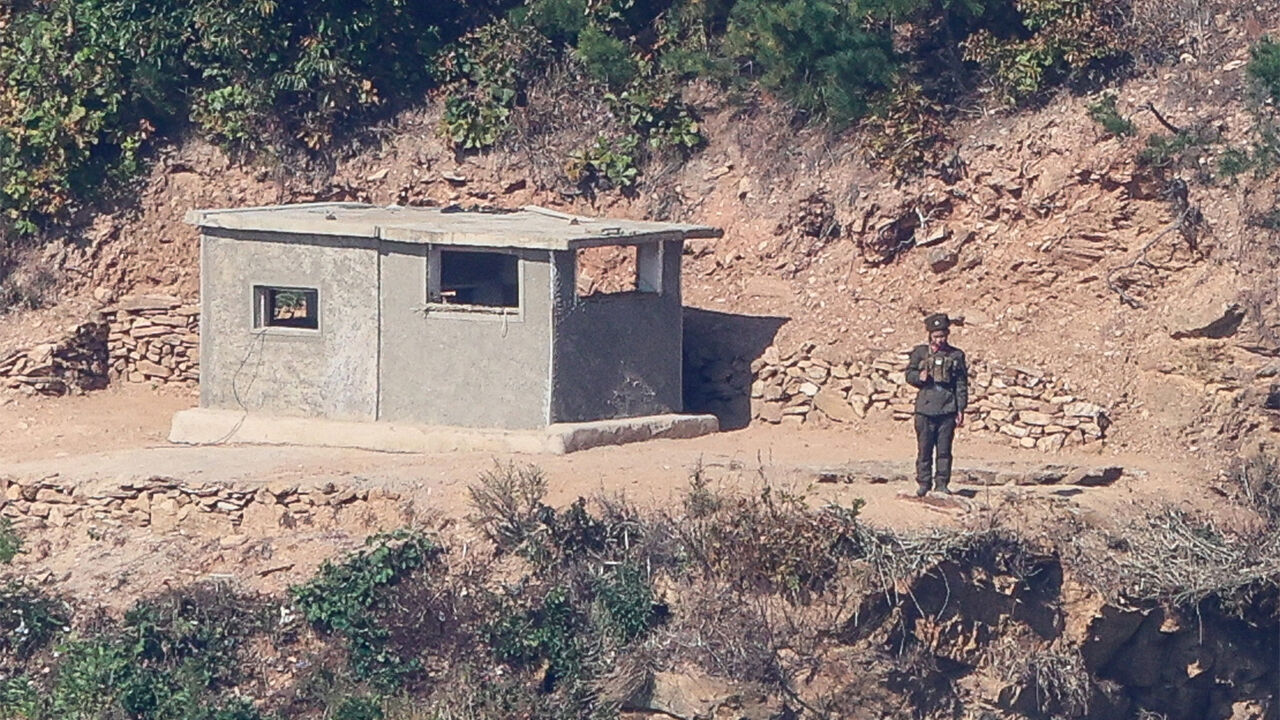
South Korea strongly condemned Pyongyang's recent moves to fortify the border as a blatant violation of the 1953 Korean War Armistice Agreement. The letter urged North Korea to immediately halt actions that escalate tension, apologize, clear newly planted mines, implement measures to prevent any recurrence, and engage in dialogue to build mutual trust on the Korean Peninsula.
Crucially, the letter firmly defended South Korea’s operational responses along the MDL—such as issuing loudspeaker warning broadcasts and firing warning shots. Rejecting North Korea's accusations that these measures constitute an unlawful 'provocation' and violate Article 2(4) of the UN Charter, Seoul emphasized that these tactical maneuvers are lawful, necessary defensive measures designed to prevent North Korean troops from crossing the MDL and ensure their prompt withdrawal if a border breach occurs. Just three days after Seoul submitted its letter, North Korea sent its own counter-letter to the Security Council, which is also being circulated among member states.
Notably, South Korea did not request an emergency UNSC session or the adoption of a formal presidential statement. Diplomatic observers interpret this as a pragmatic decision acknowledging likely opposition from permanent council members such as Russia and China. Instead, Seoul's primary objective was to establish an official, permanent UN record validating its border defense operations, ensuring strong diplomatic footing and international backing against future provocations.
Sponsored · Ad