Iran Rejects U.S. Response as Inadequate, Demands Seven Conditions Before Reopening Strait of Hormuz
Key Points
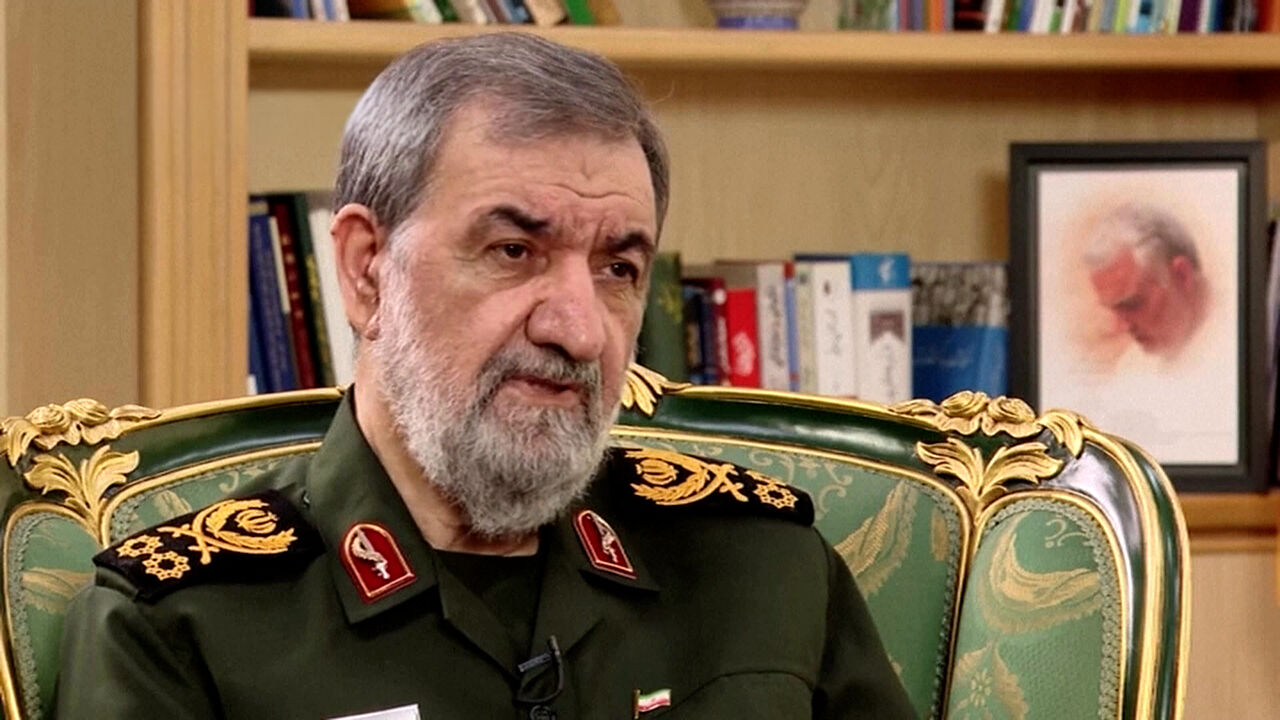
- Iran's security chief Mohsen Rezaee declared that the U.S. response to Tehran's proposed two-day plan was unconvincing and insisted seven preconditions must be met before reopening the Strait of Hormu
- Tensions heightened after a U.S. defensive strike targeted Qeshm Island, prompting Iranian leaders to warn they are on high alert with 'fingers on the trigger.'
- The standoff over the Strait of Hormuz is closely watched internationally and in South Korea due to its vital role as a global crude oil transit corridor and its direct impact on energy security.
Summary Tensions in the Middle East have escalated further as Mohsen Rezaee, Secretary of Iran’s Supreme National Security Council (SNSC), publicly dismissed Washington's response to Tehran's latest peace and maritime proposal as thoroughly inadequate. The statement, shared on social media platform X, underscored Iran’s position that the Strait of Hormuz will remain closed unless the United States explicitly and fully accedes to a set of seven non-negotiable conditions.
According to reports, Iran conveyed a condensed "Two-day plan" to the U.S. through Qatari mediation, distilling an earlier seven-stage proposal presented in September into an expedited timeline. Under Day 1 of the blueprint, Washington was asked to immediately lift blockades on Iranian ports, grant sanction waivers on Iranian crude oil exports, and repeal recent economic sanctions. In return, on Day 2, Iran would reopen the vital maritime chokepoint in the Strait of Hormuz to restore commercial shipping, paving the way for follow-up diplomatic negotiations on broader geopolitical concerns.
However, diplomatic momentum stalled sharply following an American strike on Qeshm Island in southern Iran. U.S. officials characterized the operation as a defensive measure aimed at preempting attacks on commercial vessels navigating the strategic strait. The military strike sparked vehement condemnation across Tehran’s political hierarchy. Iranian President Masoud Pezeshkian warned that any resumption of war serves no party's interest, while parliamentary speaker Mohammad Bagher Ghalibaf declared Iran's forces are on combat standby with their "fingers on the trigger," backed by Foreign Ministry statements asserting Iran's sovereign right to self-defense.
For South Korean observers and the international community, geopolitical instability in the Strait of Hormuz carries critical economic weight. As an export-oriented economy heavily dependent on crude oil imports routed through Persian Gulf maritime corridors, developments around the strait directly impact Korean supply chain security, energy stability, and domestic market sentiment, making Middle Eastern diplomatic maneuvers a matter of acute national interest.
Sponsored · Ad