"We're Going to Hit the Ground": Tragic Florida Jet Crash Kills All 9 Aboard After Rapid Plunge
Key Points
- A Learjet 60 carrying nine passengers and crew crashed into a road near a residential neighborhood in Palm Beach County, Florida, killing all nine people on board.
- South Korean media highlighted the tragedy prominently after chilling cockpit air traffic recordings captured the pilot reporting a rapid 20,000-foot-per-minute plunge moments before impact.
- Federal authorities including the FAA and NTSB are investigating whether severe thunderstorms and aerodynamic stall caused what is currently the second-deadliest U.S. aviation accident this year.
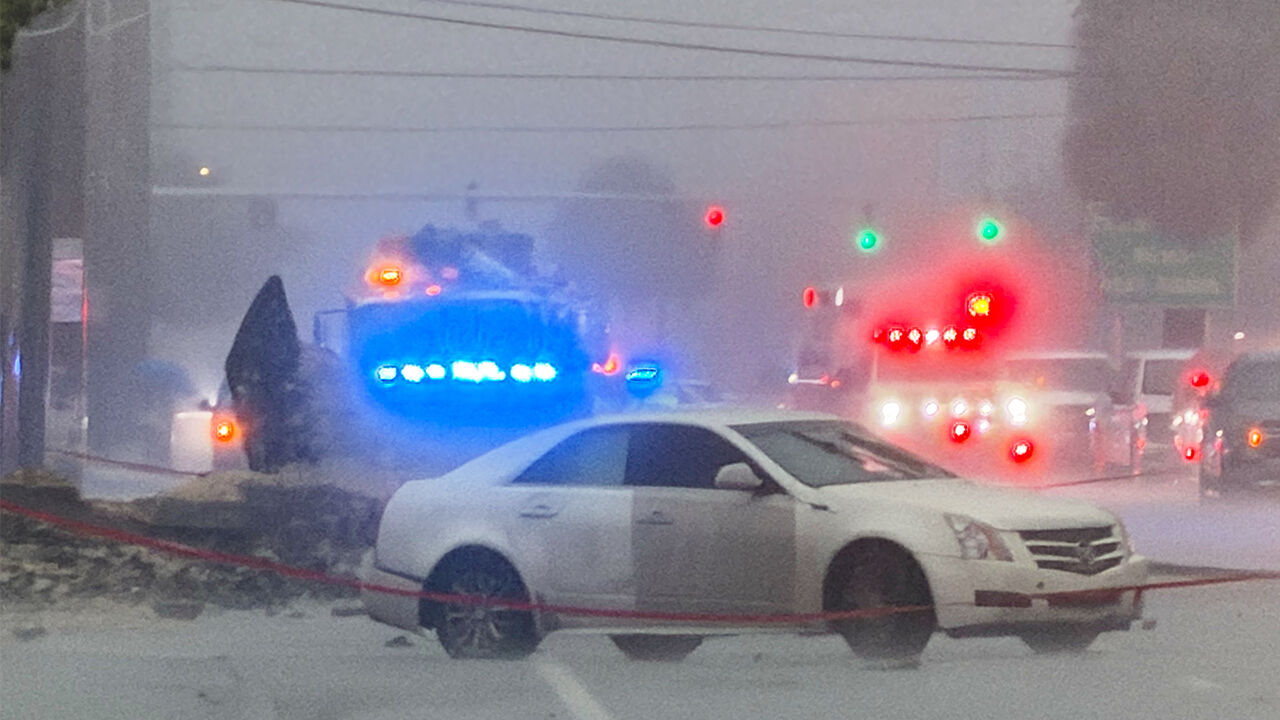
Summary A tragic aviation disaster unfolded in Palm Beach County, Florida, when a private charter jet carrying nine people plummeted into the middle of a roadway near a residential neighborhood, leaving no survivors. According to reports from CNN and federal aviation authorities, the aircraft, a Learjet 60 registered for charter services and operated under a Delaware-based corporate entity, was en route from Austin-Bergstrom International Airport in Texas to the Bahamas when catastrophe struck just six kilometers south of West Palm Beach Airport.
Footage broadcast by CNN affiliate WPBF revealed severe devastation at the impact zone, where the force of the collision warped the asphalt and gouged a massive crater into the street. The crash occurred merely feet away from residential dwellings, leaving local homeowners deeply shaken. U.S. Transportation Secretary Sean Duffy called the incident a "terrible tragedy," while Florida Governor Ron DeSantis confirmed during an on-site media briefing that remarkably no ground fatalities or injuries were reported despite the proximity to populated homes.
Chilling air traffic control recordings retrieved via LiveATC captured the pilot’s desperate final exchanges. Flying eastward at an altitude of 35,000 feet (approximately 10.6 kilometers), the crew encountered extreme weather, reporting severe turbulence, icing, and heavy rainfall before requesting permission to climb 2,000 feet higher. Shortly thereafter, the aircraft entered a sudden, steep descent. The pilot declared an emergency, calling for immediate distress assistance as the plane dropped at 10,000 feet per minute, and seconds later warned controllers that the descent rate had surged to 20,000 feet per minute and that they were going to impact the ground. The jet banked hard to the right before crashing and instantly bursting into flames.
Aviation safety analysts suggest the jet may have entered an aerodynamic stall—a state where wings lose critical lift—following its transit through intense thunderstorm cells. The Federal Aviation Administration (FAA) alongside the National Transportation Safety Board (NTSB) has launched a comprehensive investigation. Records from the NTSB note that this marks the second-deadliest aviation accident in the United States this year, following a skydiving plane crash in Butler, Missouri, that claimed twelve lives. In Korean major news networks such as SBS, prominent coverage of high-profile international air disasters garners intense scrutiny and public sympathy, as real-time audio transcripts and cockpit emergencies trigger widespread discussion regarding aviation safety protocols.
Sponsored · Ad