Caught in the Crossfire: Why the EU's Bid to Block Chinese EVs Has Thrown Japanese Automakers into Chaos
Key Points
- The European Union's upcoming Industrial Acceleration Act proposes that electric vehicles must source over 70% of parts locally to receive subsidies, unintentionally leaving factory-poor Japanese auto
- The issue is trending in Korea as it spotlights how South Korean makers like Hyundai and Kia are positioned ahead of Japanese rivals thanks to established local EV and battery plants in the Czech Repu
- While Chinese brands bypassed restrictions by pre-emptively purchasing or constructing European plants, Japanese brands find themselves lobbying Brussels for exemptions due to post-Brexit complication
Summary A major shift in the European automotive landscape is creating unexpected friction between global automakers, and the story has quickly become a hot topic in South Korea. The European Union has been moving forward with its Industrial Acceleration Act (IAA), a legislative initiative aimed at protecting domestic manufacturing and shielding its electric vehicle (EV) market from low-cost Chinese imports. The proposed regulations require that more than 70 percent of core components be manufactured within Europe for an EV to qualify for regional subsidies and tax credits.
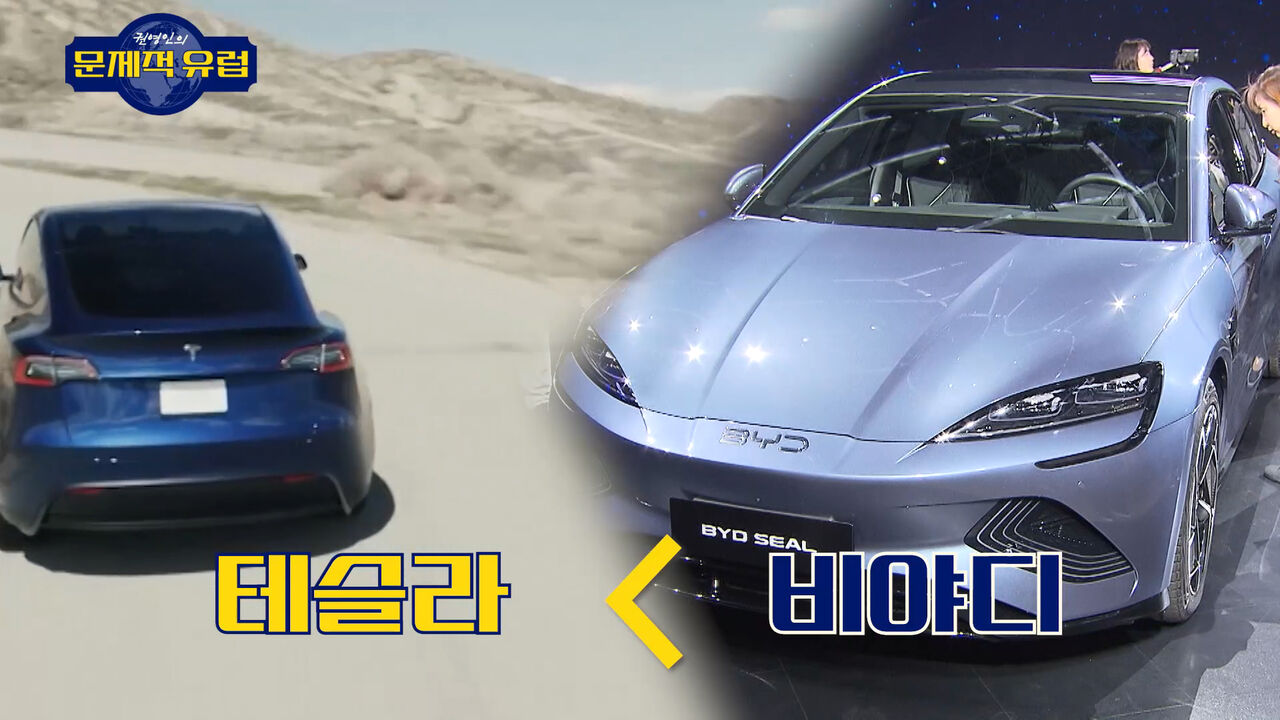
However, the policy has triggered an unintended crisis for Japanese automakers like Toyota and Nissan. While Brussels drafted the rules to counter rapid market expansion by Chinese EV makers—such as BYD, which recently saw European sales surge by 144 percent—Chinese brands had already anticipated protectionist measures by investing billions into European manufacturing bases. BYD is setting up major assembly and battery facilities in Hungary, Chery took over an automotive plant in Barcelona formerly owned by Nissan, and Geely leverages Volvo's existing factories in Sweden, Belgium, and Slovakia.
In sharp contrast, Japanese manufacturers produce the overwhelming majority of their electric vehicles domestically in Japan and export them overseas. Nissan’s primary regional footprint is centered in the United Kingdom, where the Leaf is assembled; however, following Brexit, UK-made vehicles cannot tap into EU subsidies. Toyota’s planned facility in the Czech Republic is not slated to go operational until around 2028. Facing a minimum three-to-five-year timeline to construct certified European plants, Japanese automotive delegations have been urgently lobbying members of the European Parliament in Strasbourg, pleading for special exemptions under clauses that offer lenient terms to 'trusted partners.'
The report has drawn significant attention from Korean industry watchers and general readers because it directly highlights the contrasting readiness of South Korea’s automotive giants. Hyundai and Kia already operate dedicated EV production facilities inside the EU—Hyundai produces the Kona Electric and sources modules via Hyundai Mobis in the Czech Republic, while Kia manufactures key models like the EV4 and EV2 in Slovakia. Along with established local battery plants run by Korean makers like LG Energy Solution, South Korea finds itself in a substantially more resilient position than Japan amidst Europe's mounting protectionism, even as automakers worldwide adapt to the tightening 'Made in Europe' mandates.
Sponsored · Ad