Pay to Skip the Line: How 'Fast Passes' Are Expanding from Theme Parks to Ramen Shops and Clinics in Japan
Key Points
- Businesses in Japan, including popular ramen halls and medical clinics, are introducing paid priority passes that let customers skip long waiting lines for an extra fee.
- The trend is gaining attention across East Asian media as consumers increasingly value time-efficiency over traditional queuing for everyday services.
- Once confined to premium theme parks like Tokyo Disneyland, paid 'fast pass' systems are now seen as a practical tool boosting local commerce and personal convenience.
Summary In Japan, the concept of paying extra to skip the line—long familiar to global tourists at theme parks—is rapidly expanding into everyday life, including popular dining spots and medical clinics. Originally popularized by major attractions such as Tokyo Disneyland's 'Disney Premier Access' passes, paid priority access (known colloquially as 'Fast Pass') is now offering time-conscious consumers a way to bypass long queues for a premium fee.
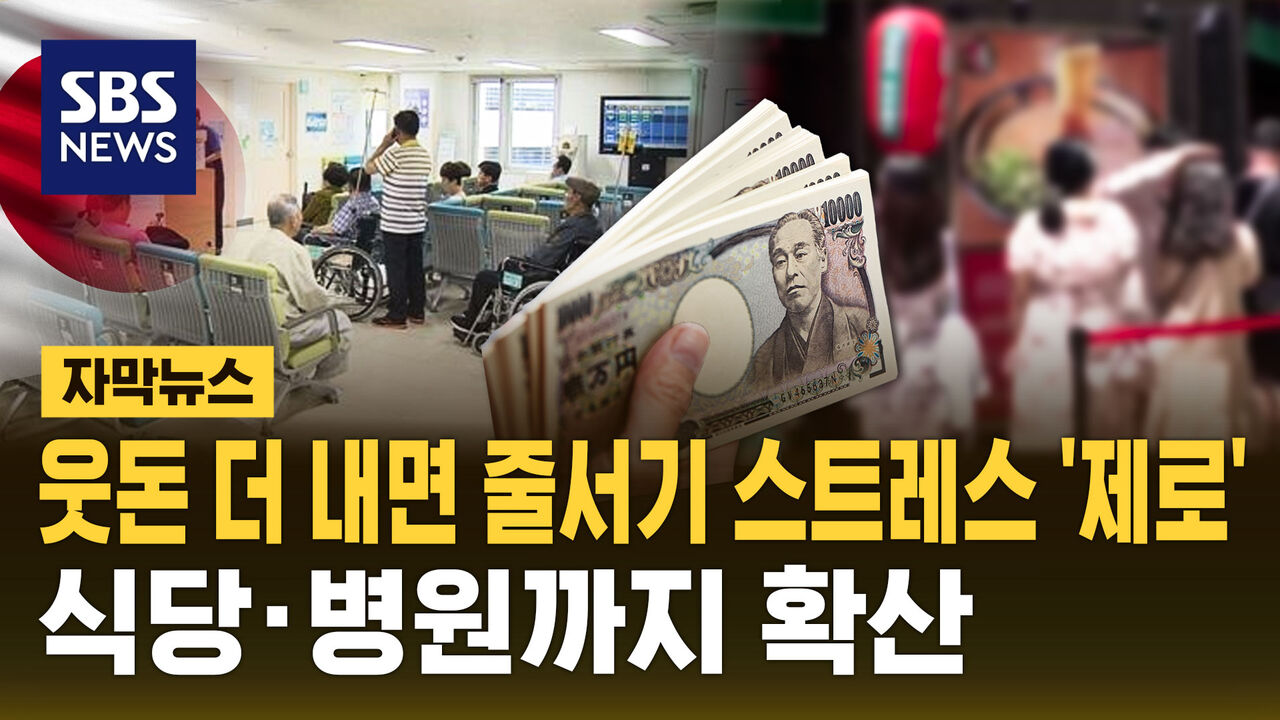
According to Japanese media reports cited by SBS, ramen restaurants around Tokyo Station are among the most prominent adopters. At 'Tokyo Ramen Yokocho,' a bustling underground dining corridor near Tokyo Station, patrons can purchase digital priority tickets online starting at 500 yen (around 4,200 KRW / $3.30 USD) per person, with dynamic pricing that scales upward depending on how crowded the venue is at any given time. Similar schemes are popping up in tourist hubs like Mihama in Aichi Prefecture, where reducing wait times has allowed visitors to spend more time exploring local sightseeing spots and souvenir shops, generating positive spillover effects for neighborhood businesses.
Beyond dining, this monetization of queue-skipping is also gaining traction in Japan's healthcare sector, where prolonged waits are standard. Healthcare startup MICIN launched its 'Curon Smart Pass' service, allowing patients to pay a priority reservation fee ranging from 500 to 1,000 yen on top of standard consultation costs. In exchange, patients receive expedited appointments, circumventing hours spent in crowded waiting rooms.
This growing trend reflects a broader shift toward prioritizing 'time-effectiveness' (often discussed in Asian consumer culture as valuing convenience and productivity over traditional patience). While traditionally seen as the exclusive preserve of luxury theme parks, paying a modest surcharge to buy back personal time is increasingly accepted as a rational consumer choice across daily urban services.
Sponsored · Ad