Japanese PM Takaichi Sends Additional Offering to Yasukuni Shrine Despite Diplomatic Protests
Key Points
- Japanese Prime Minister Sanae Takaichi made a follow-up ritual offering payment to Yasukuni Shrine via an LDP official during its autumn festival.
- The gesture drew immediate protests from South Korea and criticism from China as a provocation against the post-war international order.
- Yasukuni Shrine honors Japan's war dead, including Class-A war criminals, making offerings and visits by Japanese officials deeply sensitive throughout East Asia.
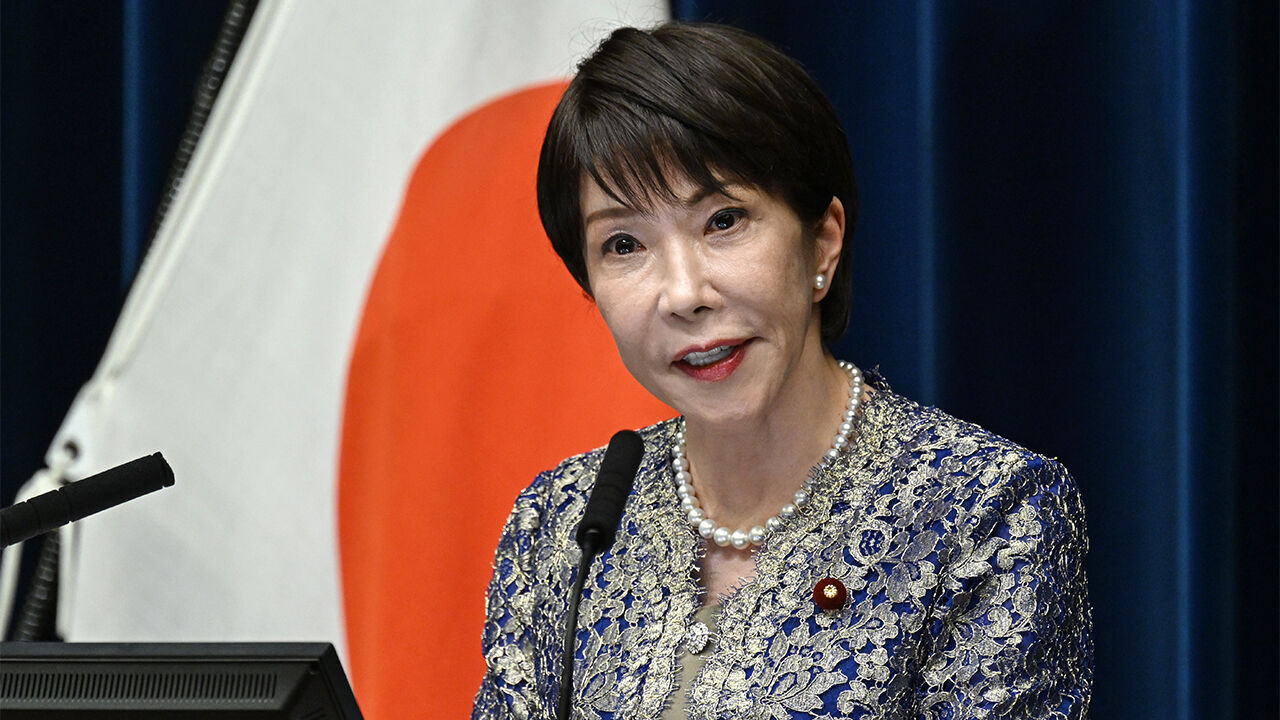
Summary Japanese Prime Minister Sanae Takaichi has sent an additional ritual offering payment to the controversial Yasukuni Shrine in Tokyo during its autumn festival, despite formal diplomatic objections raised by South Korea and strong criticism from China.
According to reports citing Kyodo News, Prime Minister Takaichi dedicated a personal monetary offering known as "tamagushiryo" through Hiroshi Kajiyama, Chairman of the Liberal Democratic Party's General Council. This follow-up ritual payment came just days after she dedicated a "masakaki" sacred tree offering under the official title of "Prime Minister Sanae Takaichi" on October 17. The South Korean government officially expressed regret over the offering, while Beijing condemned the gesture as a challenge to the post-World War II international order.
Takaichi opted not to visit the shrine in person during this festival period, echoing her actions during the spring festival in April when she refrained from visiting physically but sequentially sent both masakaki and tamagushiryo offerings. In August, marking the anniversary of the end of World War II—commemorated as National Liberation Day (Gwangbokjeol) in South Korea—she similarly sent private funds and performed "yohai," a ritual bow directed toward the shrine from afar rather than an in-person visit.
Yasukuni Shrine honors Japan's 2.46 million war dead, but critically includes 14 convicted Class-A war criminals from World War II. For South Korea and other East Asian nations that suffered under Japanese colonial rule and wartime aggression, ritual visits and official offerings by high-ranking Japanese politicians are viewed as symbols of historical unrepentance and past militarism. While other cabinet members and lawmakers, including Economic and Fiscal Policy Minister Minoru Kiuchi and a cross-party coalition of parliamentarians, proceeded with direct shrine visits, the repeated ceremonial gestures by the prime minister remain a persistent focal point of diplomatic friction in East Asia.
Sponsored · Ad