Alleged Chinese Spy Reportedly Mingled and Drank With Nvidia CEO Jensen Huang
Key Points
- U.S. intelligence agencies identified Alice Huang, an executive linked to data center provider Megaspeed, as a suspected Chinese intelligence operative who cultivated close ties with Nvidia CEO Jensen
- The revelation has drawn intense international and tech-sector scrutiny because the executive's firm purchased billions in Nvidia AI hardware while allegedly warehousing restricted chips.
- The White House reportedly hesitated to take formal action or issue defensive briefings to avoid disrupting semiconductor trade and volatile diplomatic relations with China.
Summary A high-profile espionage controversy has surfaced surrounding Nvidia CEO Jensen Huang, following reports that a Chinese business executive who networked and drank with him in Taipei was suspected by U.S. intelligence of gathering intelligence for Beijing. According to a report by The New York Times cited by South Korean broadcaster SBS, U.S. intelligence agencies identified Alice Huang (also known as Alice Wong), a Chinese national and senior figure connected to Singapore-based data center operator Megaspeed, as having established close ties with Huang to funnel sensitive information back to China.
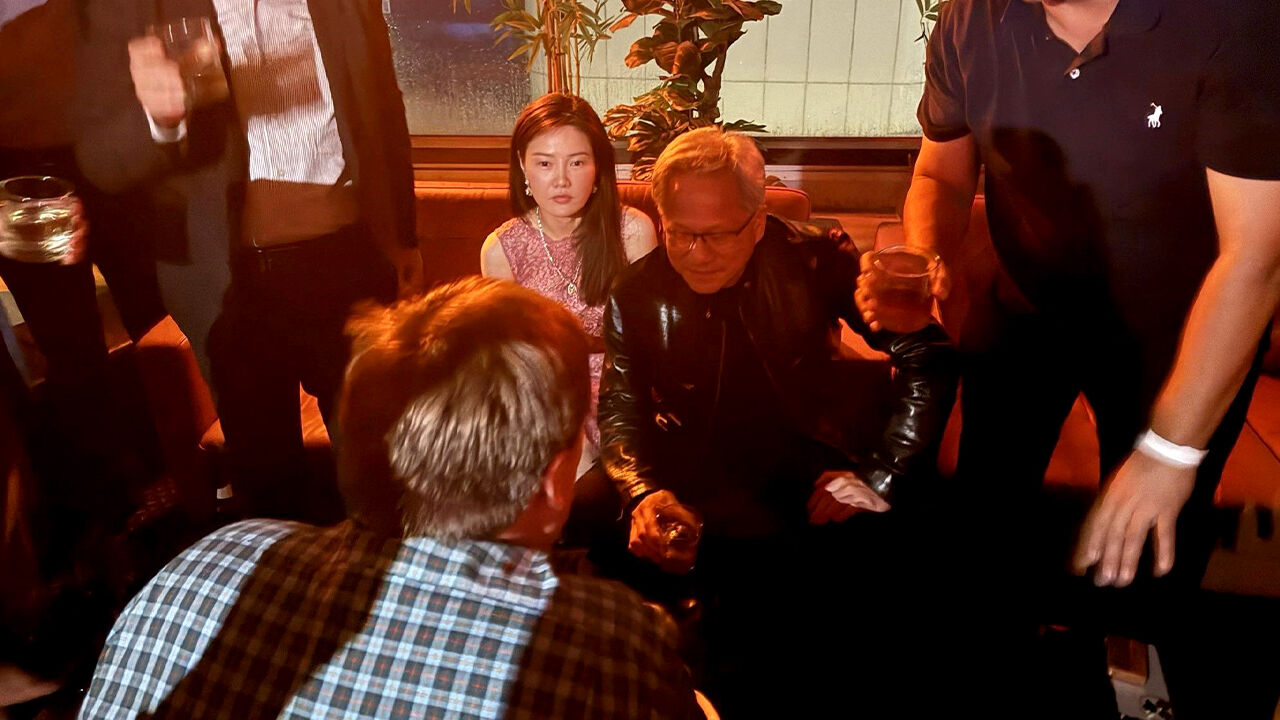
The controversy gained momentum after social media images surfaced showing Alice Huang sitting alongside Jensen Huang at a bar in Taipei in June 2024, accompanied by other artificial intelligence industry figures. Additional sightings captured them leaving a business dinner together in May of the previous year. Megaspeed, introduced on Nvidia's official website as a cloud partner, reportedly procured at least $4.8 billion in Nvidia AI equipment through a Malaysian affiliate between June 2024 and February of this year—an extraordinarily massive volume for a relatively small firm. U.S. authorities had already been monitoring Megaspeed under suspicion that restricted Nvidia chips were being illicitly smuggled into China, particularly after on-site inspections revealed that certain unopened equipment was sitting in storage rather than actively installed in data centers.
While electronic surveillance led U.S. intelligence to identify Jensen Huang as the American contact, officials did not issue a defensive briefing to him, partly to avoid tipping off foreign surveillance targets. Although intelligence assessments generally concluded that Jensen Huang was likely unaware of her alleged espionage role, the report revealed that former U.S. President Donald Trump had been briefed on the situation roughly a year prior but took no concrete action, allegedly out of concern over destabilizing Nvidia's vital semiconductor sales and complicating broader trade relations with Beijing.
In response to the allegations, Nvidia clarified that interactions with clients represent standard executive protocol, noting that Huang meets thousands of business counterparts annually and would expect U.S. officials to notify the company if a serious threat emerged. Meanwhile, the Chinese Embassy in the United States dismissed the espionage claims as groundless slander, and Megaspeed stated it is cooperating fully with American authorities to clarify the facts.
Sponsored · Ad