Trump's Surprise Summit Idea Met with Silence from Beijing
Key Points
- US President Donald Trump unexpectedly suggested the possibility of meeting North Korean leader Kim Jong-un in China during his recent Asia tour.
- China's Foreign Ministry responded by stating they have \"no information\" regarding such a meeting, signaling a potential lack of prior coordination.
- Diplomatic analysts remain cautious, noting that any potential summit depends heavily on US intentions and North Korea's willingness to engage.
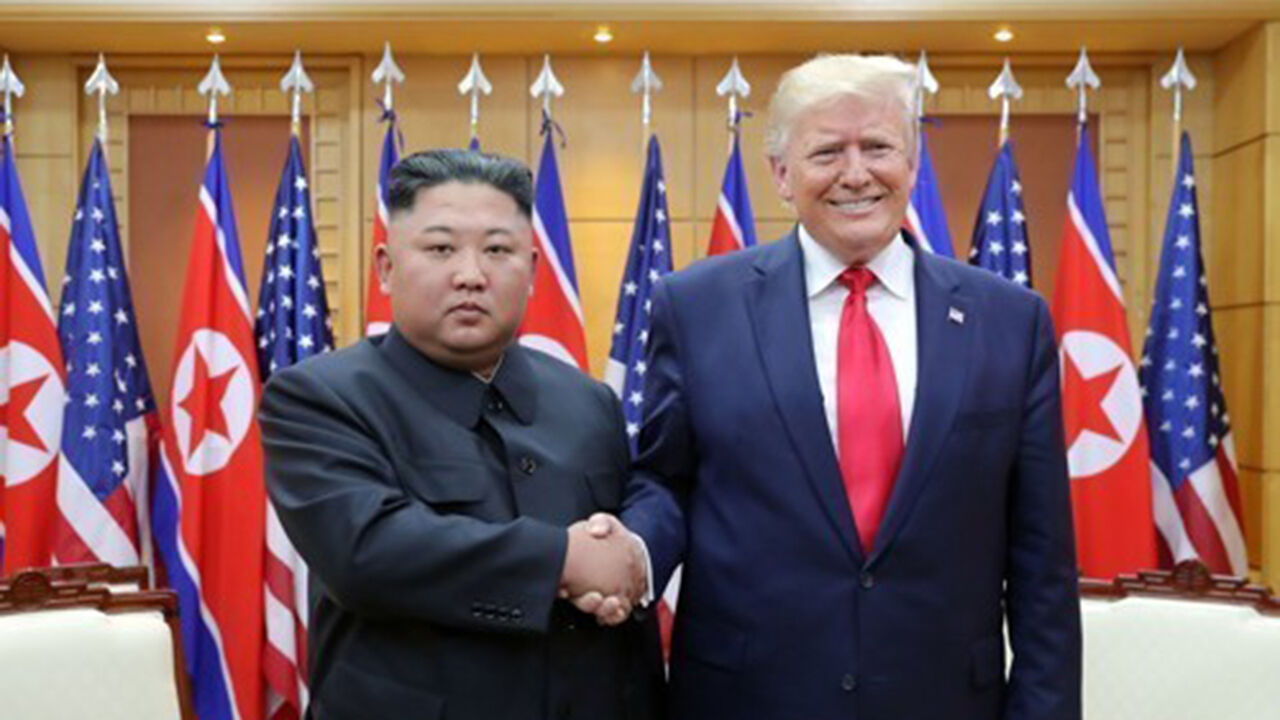
Summary In a turn of events that has captured the attention of diplomats and political observers across East Asia, a recent suggestion by US President Donald Trump regarding a potential summit with North Korean leader Kim Jong-un has been met with a cool, non-committal response from Beijing. As President Trump departed for his Asia tour—which includes the upcoming APEC summit—he publicly floated the idea of holding a meeting with the North Korean leader, even specifically suggesting China as a potential venue.
The response from the Chinese Foreign Ministry was swift, yet notably reserved. During a regular briefing on November 17, Foreign Ministry spokesperson Guo Jiakun deflected questions regarding the logistical details of such a meeting, stating simply that the ministry had "no information" on the matter. This calculated ambiguity serves as a stark reminder of the complexities involved in the delicate geopolitical dance surrounding the Korean Peninsula. When pressed on potential Chinese involvement, such as the provision of travel arrangements or security for the North Korean leader, the response remained the same, suggesting that this "surprise" proposal may have been made without prior high-level diplomatic coordination.
For international observers, the episode highlights the unpredictable nature of high-stakes diplomacy in the region. Analysts note that while the possibility of a summit cannot be entirely ruled out—especially given the volatile nature of these negotiations—the lack of explicit endorsement or coordination from Beijing puts the ball firmly in the court of the US and North Korea. South Korean diplomatic officials have maintained a cautious stance, acknowledging that while the possibility exists, it remains contingent on a multitude of variables, including President Trump's evolving strategy and, perhaps most importantly, the willingness of the North Korean regime to come to the table.
The situation underscores the perennial "China factor" in inter-Korean relations. China remains North Korea’s most crucial ally and economic lifeline, making it a natural, if complicated, mediator in any potential peace process. However, by putting the burden of the summit's realization on the shoulders of Chinese President Xi Jinping, the US President has created a high-pressure scenario where Beijing must balance its traditional regional alliances with its desire to maintain stability in a volatile neighborhood. As the APEC summit approaches, all eyes remain fixed on whether this public proposal was a genuine diplomatic pivot or a moment of political theater, with the region waiting to see if any real substance will emerge from the speculation.
Sponsored · Ad