Streets Ablaze and Anger Boils: Over 550,000 Take to the Streets Across France Over Inflation and Education Crisis
Key Points
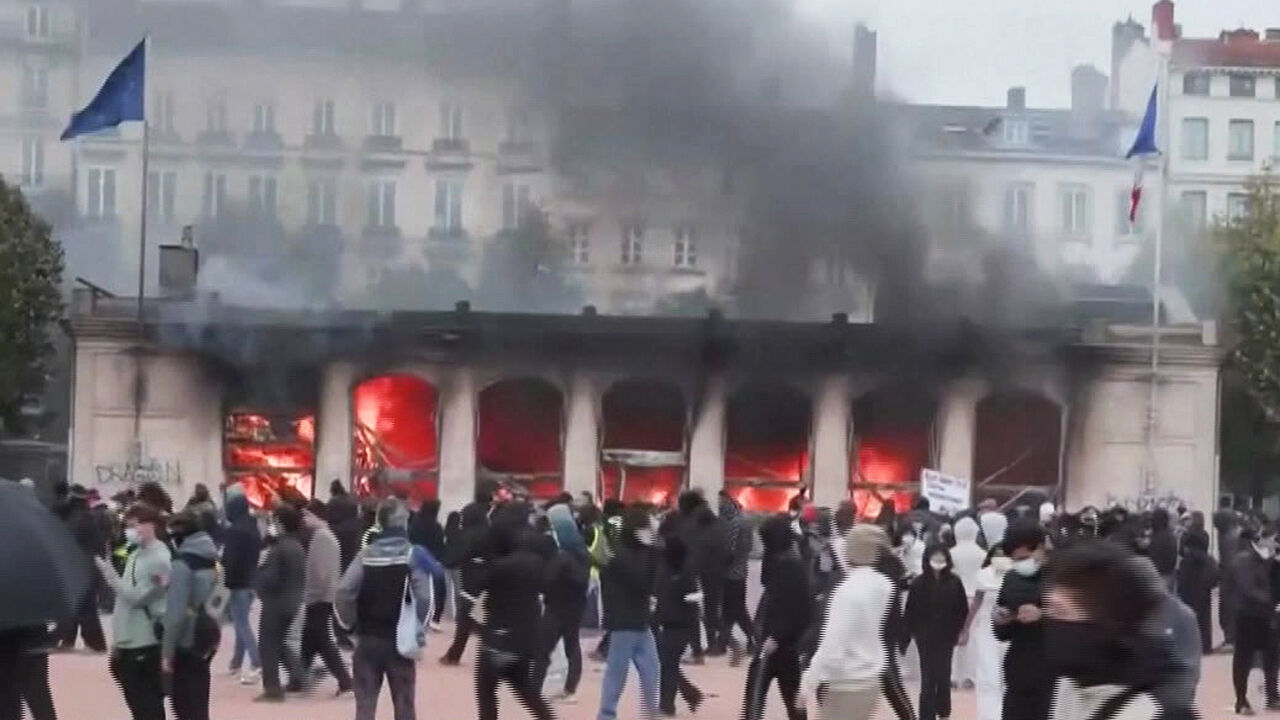
- More than 550,000 protesters flooded streets across France as demonstrations over education issues expanded into nationwide anger against inflation and living costs.
- The story is drawing significant coverage on Korean current affairs programs examining whether the underlying economic and social stresses are unique to France or reflect broader global crises.
- Widespread unrest, looting, and arson have led several regions to enforce night curfews, with further large-scale weekend protests scheduled.
Summary Mass demonstrations have erupted across France as growing public anger over education issues quickly spiraled into nationwide unrest fueled by soaring inflation and worsening living costs. According to reports covered on SBS's current affairs program 'News Hunters,' over 550,000 people took to the streets nationwide, turning city centers into chaotic scenes of protest.
The unrest has intensified day after day, with incidents of arson and looting breaking out in various areas, prompting local authorities in several districts to impose nighttime curfews to regain control. Experts featured on the broadcast, including researchers and political scientists, emphasized that what began as specific grievances over education policy has tapped into a broader undercurrent of economic frustration and economic pressure felt by citizens.
South Korean media and commentators have taken a keen interest in these developments, analyzing whether the systemic pressures causing friction in France—particularly runaway inflation, rising costs of daily necessities, and structural educational anxieties—could mirror economic and social challenges faced by other developed nations worldwide. With another massive round of demonstrations scheduled for the upcoming weekend, international attention remains focused on how the French government will navigate the deepening public discontent.
Sponsored · Ad