Allies Rush to Build 'Starlink Escape' Networks After Musk Throttles Ukraine's Satellites
Key Points
- U.S. allies in Europe and Canada are speeding up projects to establish independent satellite networks after Elon Musk imposed restrictions on Ukraine's military Starlink access.
- The disruption to critical frontline drone operations sparked alarms across allied governments about extreme defense dependency on a single private corporation.
- While alternatives like the EU's IRIS² and Canada's Lightspeed are underway, rivals remain heavily reliant on SpaceX rockets for deployment, making near-term independence difficult.
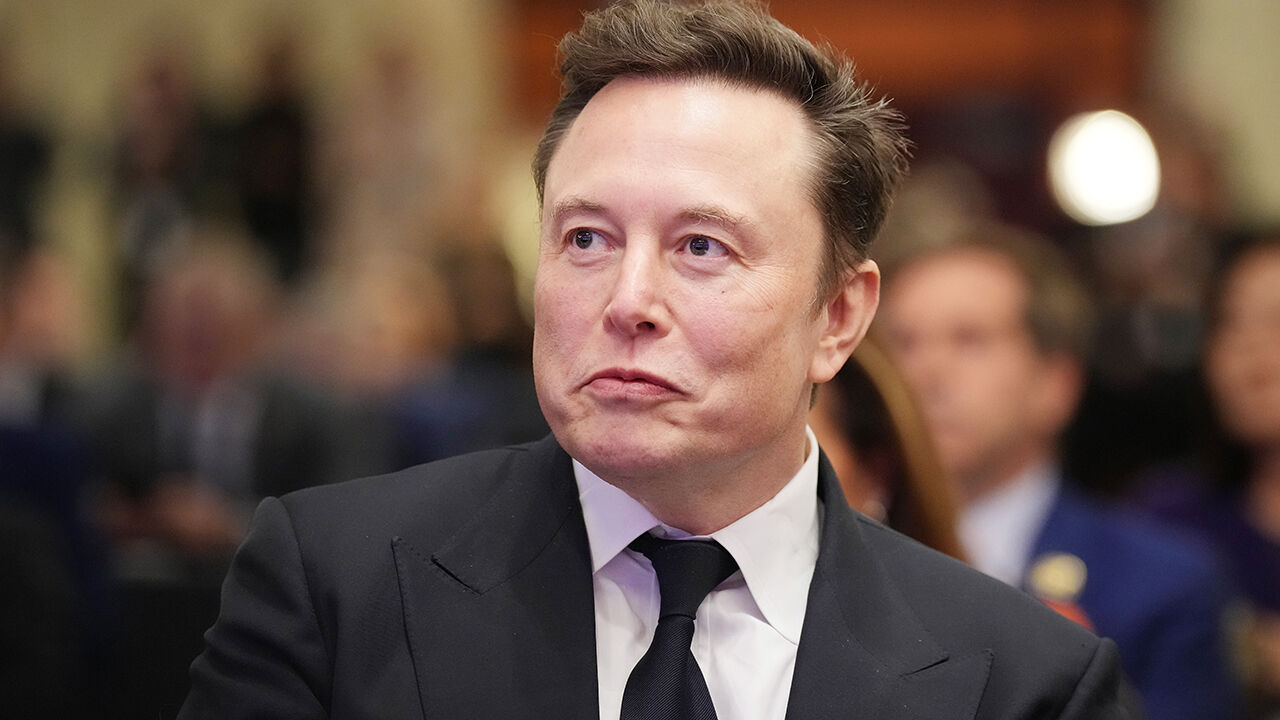
Summary Following reports that SpaceX CEO Elon Musk personally ordered speed throttling on Starshield—the military-grade satellite communication service used by Ukraine's armed forces—U.S. allies including European nations and Canada are rapidly advancing their own sovereign satellite networks. The unexpected restrictions disrupted Ukraine's drone operations, highlighting a stark vulnerability: a nation's defense communications can be crippled at the whim of a single private executive.
The geopolitical reverberations have triggered sharp criticism across Western capitals. Polish Foreign Minister Radosław Sikorski publicly warned Musk that weaponizing products for political leverage severely damages brand reputation, while U.S. Senator Kevin Cramer cautioned against over-relying on a single individual or private enterprise for national security. The incident has intensified suspicions that the throttling was tied to diplomatic friction between U.S. and Ukrainian leadership regarding strikes on Russian infrastructure.
In response, international efforts to build alternatives have escalated quickly. Finland and Ukraine recently unveiled a 300-million-euro defense partnership to develop satellite communications alongside Iceye and Nokia, aiming for a 2028 deployment. Simultaneously, Canada’s Telesat is working toward its Lightspeed low Earth orbit (LEO) constellation with launches beginning late this year, and the European Union has committed roughly $17.5 billion toward its IRIS² constellation, targeted for 2029.
Despite these ambitious programs, defense analysts note that escaping Starlink's orbit is far easier said than done. SpaceX currently operates more than 11,000 satellites, dwarfing European rivals like Eutelsat OneWeb, which operates around 650. Crucially, most competing providers still depend on SpaceX's Falcon rockets to launch their own satellites, meaning true independence from Musk's aerospace ecosystem remains years away.
Sponsored · Ad