Tragedy on Spain's High-Speed Rail: Second Fatal Train Collision in Nine Months Sparks Safety Outcry
Key Points
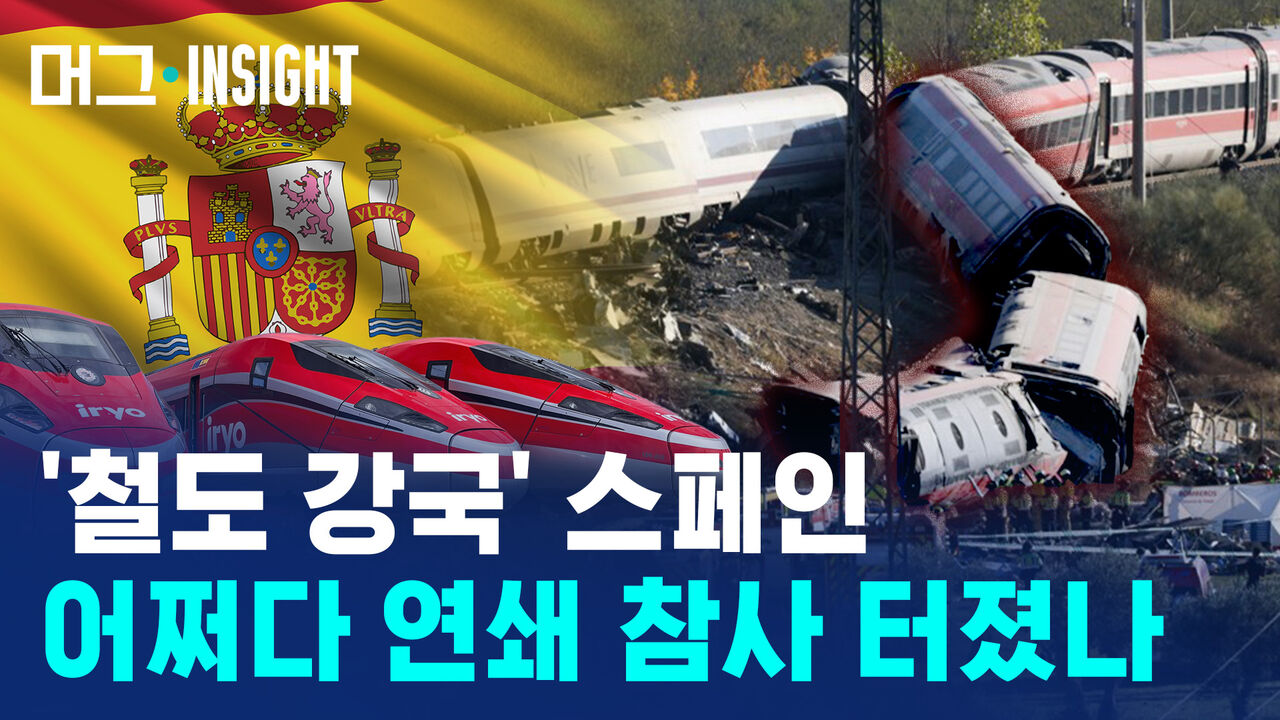
- A Renfe high-speed train rear-ended a stationary Iryo train near Urda in Toledo, Spain, killing at least 68 people and injuring over 100.
- The accident has captured major attention as it marks the second deadly collision on the same corridor in just nine months, following a crash that killed 46 in January.
- Once considered a premier national pride and the world's second-largest high-speed rail network, Spain's railway system now faces intense public scrutiny over safety management failures.
Summary A tragic high-speed rail collision in central Spain has left dozens dead and over a hundred injured, sparking intensive scrutiny across international news and South Korean current affairs programs regarding railway safety and transit management.
According to a video analysis report by SBS Video Mug Insight, the disaster unfolded on the morning of October 28 near Urda in the province of Toledo, central Spain. A high-speed train operated by Spain’s state-owned rail operator Renfe rear-ended an Iryo train that had come to a halt on the exact same track. The devastating rear-end collision resulted in at least 68 fatalities and injured more than 100 passengers.
The incident has caused profound shock because Spain’s high-speed rail network is internationally celebrated as the second-largest in the world by route length, widely regarded as a symbol of modern European transit and a source of national pride. However, this tragedy follows closely on the heels of another severe rail accident on the same corridor just nine months earlier in January, which claimed 46 lives.
The consecutive mass-casualty disasters within a single year have triggered urgent inquiries into structural safety protocols, automated signaling systems, and operational oversight on Spain's high-speed network. Korean media outlets and visual journalism channels like SBS Video Mug regularly dissect major international infrastructure crises, providing domestic audiences with deep-dive investigative context on how advanced transit systems can experience catastrophic systemic failures despite high-tech reputations.
Sponsored · Ad