Surging Cost of Living and Housing Crises Spark Massive Protests Across Europe
Key Points
- Hundreds of thousands of citizens across European nations, including France, Spain, and Italy, took to the streets to protest surging inflation, housing shortages, and cuts to public services.
- The story is trending across major Korean media outlets as global economic hardships and cost-of-living crises resonate widely with domestic audiences.
- Demonstrations in cities like Paris and Madrid saw broad coalitions—from young university students to retirees—demanding essential living protections and government accountability.
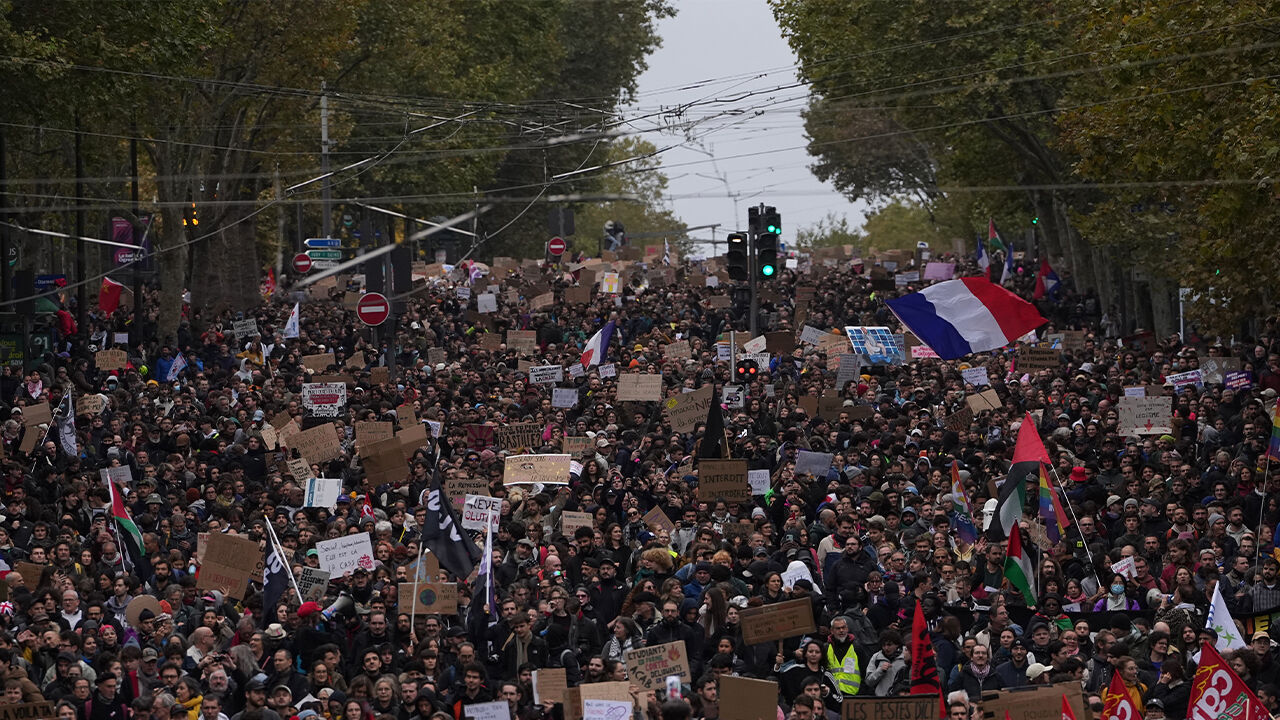
Summary Mass demonstrations broke out across major European cities—including Paris, Madrid, Brussels, Milan, Lisbon, and Tirana—as citizens took to the streets to protest soaring living costs, acute housing shortages, and underfunded public services.
In France, what began as student-led demonstrations demanding better educational conditions quickly merged into a broader nationwide outcry against inflation and general economic hardship. Despite local authorities issuing protest restrictions and deploying 70,000 police officers alongside helicopters and armored vehicles, an estimated 410,000 demonstrators rallied across the country. In Paris and other regions, sporadic clashes erupted between police and protesters, with demonstrators voicing strong frustration toward Emmanuel Macron's administration over deteriorating living standards and restrictions on public assembly.
Similar discontent echoed throughout Southern and Western Europe. In Spain, around 25,000 people marched through central Madrid, rallying around slogans like "Bread, Roof, and Freedom" as public debates over pension reforms and escalating rents intensified ahead of national elections. In Lisbon, citizens demonstrated against government measures that loosened rent caps and facilitated tenant evictions. Meanwhile, in Milan, youthful demonstrators rallied against rising energy costs, with some targeting regulatory offices and staging symbolic protests against unaffordable utility bills.
In Brussels and Tirana, protests also saw volatile confrontations with law enforcement. Belgian demonstrators demanding educational reforms faced tear gas and police dispersals, while in Albania, unrest that initially sparked over controversial coastal resort developments expanded into student strikes against tuition costs and institutional corruption. The wave of unrest highlights mounting socio-economic pressures felt across Europe as inflation and housing shortages continue to strain everyday life.
Sponsored · Ad