K League Under Fire: Millions in Taxpayer Money Propping Up Ailing Municipal Soccer Clubs
Key Points
- An SBS investigative probe revealed that municipal K League football clubs relied on 140.1 billion KRW in taxpayer subsidies last year, making up 64% of their overall income.
- Several newly turned professional clubs face payroll defaults, abysmal performances, and financial scandals, sparking widespread debate in Korea over whether public funds should prop up struggling tea
- While originally founded after the 2002 World Cup to utilize infrastructure, many municipal teams have evolved into political tools for local administrations with minimal oversight and transparency.
Summary An investigative report into South Korea's professional soccer ecosystem has revealed severe financial distress among municipal football clubs, sparking public debate over how taxpayer money is spent on professional sports. Across K League 1 and K League 2, more than half of the 29 clubs—17 in total—operate as municipal or provincial clubs (known locally as 'si-domin' clubs). Originally conceived after the landmark 2002 FIFA World Cup to repurpose large stadium infrastructure and promote regional sports culture, these teams were intended to grow into self-sufficient community pillars.
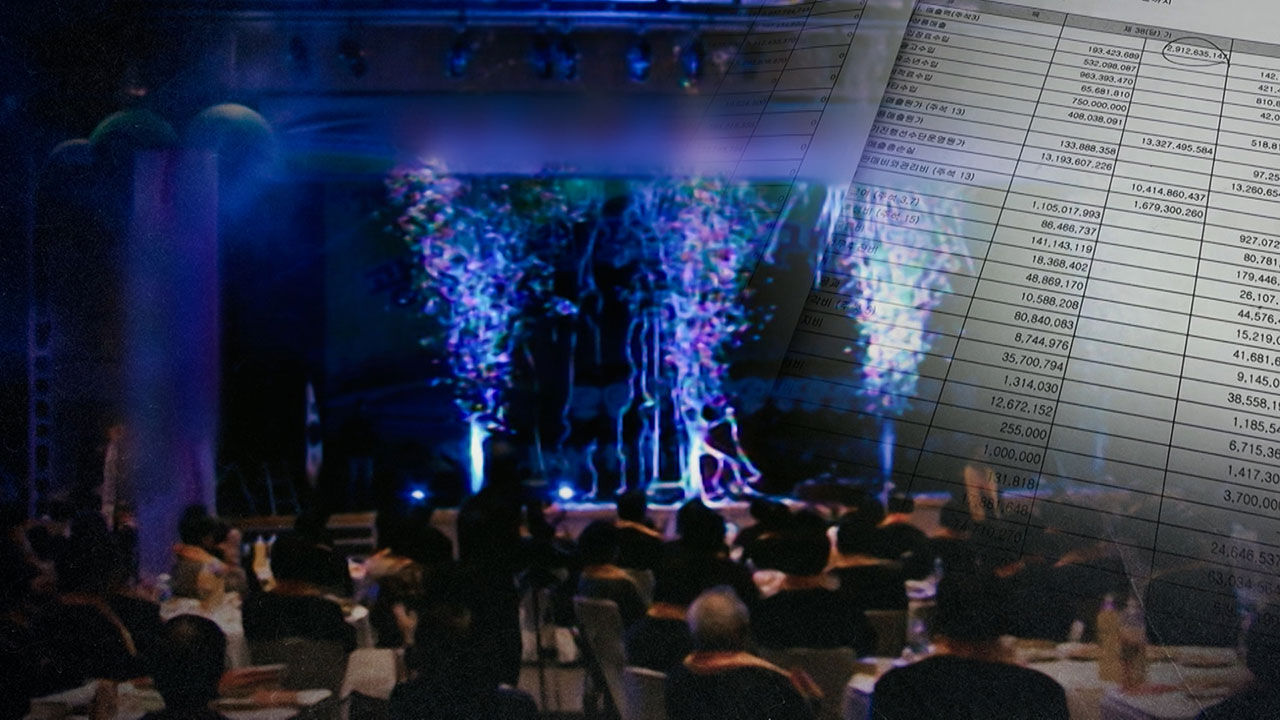
However, an exhaustive financial investigation by broadcaster SBS showed that these clubs remain overwhelmingly reliant on municipal subsidies funded by local tax revenues. Excluding three newly founded clubs, the remaining 14 municipal clubs received 140.1 billion KRW (approximately $100+ million USD) in local subsidies last year alone, which accounted for an astonishing 64% of their collective revenue. Only three established corporate-structured clubs—Gangwon FC, Daegu FC, and Incheon United—generated more revenue through their own commercial activities than they took in subsidies. For the other 11 clubs, public subsidies represented 73.4% of total revenues, and their combined commercial earnings were smaller than those of the top three clubs combined.
This subsidy dependency stands in stark contrast to European football leagues, which thrive primarily on commercial sponsorships, ticket sales, merchandising, and broadcasting rights, as well as Korea's domestic professional baseball league (KBO), which has steadily reduced corporate parent reliance down to 25%. Despite hefty government backing, many municipal teams remain on the brink of collapse: Paju faced unpaid wages in its very first season after turning pro, Gimhae finished its debut year with only two wins, prompting its mayor to openly weigh disbanding the club, and Gimpo required supplementary taxpayer funding after an embezzlement scandal involving over 8 billion KRW.
Critics point out that municipal football teams have often become political vehicles for local government officials seeking visibility rather than genuinely self-sustaining athletic organizations. Furthermore, financial reporting remains murky, with some clubs categorizing subsidies as equity capital or offsetting expenditures to obscure the true amount of public funding received, while others avoid disclosing financial records entirely. Although the Korea Professional Football League (K League) has floated measures like salary caps and squad roster limits, lax financial monitoring continues to draw scrutiny as public backlash grows over subsidizing underperforming sports clubs with public funds.
Sponsored · Ad