Laser Focus in October: MLB Hitters Sharpen Eyes as Robot Umpire Challenge Success Rates Surge in Postseason
Key Points
- During 25 Wild Card and Division Series games, MLB players successfully overturned 71 out of 121 automated ball-strike (ABS) challenges, reaching a 59% success rate compared to 54% in the regular seas
- The trend captured widespread interest in South Korea, where the term 'Fall Baseball' reflects the extreme focus demanded in playoffs and where automated strike zone tech is already a major domestic s
- Batters demonstrated the most dramatic improvement by jumping from a 49% regular season success rate to 57%, led by flawless challenge records from players like Jake Bauers and Austin Riley.
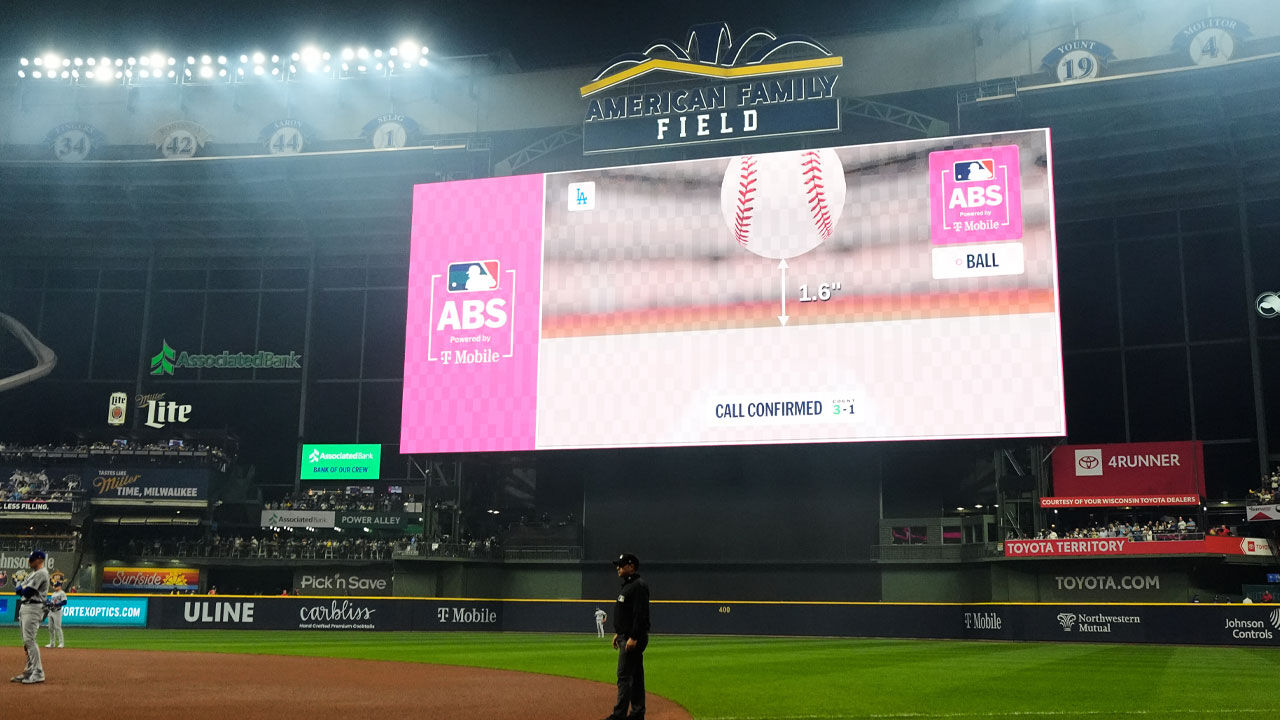
Summary As the pressure mounts in October baseball, Major League Baseball players are proving that postseason stakes dramatically sharpen plate discipline and strike-zone awareness. According to data reported by the Associated Press, the success rate of the Automated Ball-Strike System (ABS) challenge has surged during the ongoing MLB postseason, revealing how heightened player concentration can literally turn ball-and-strike calls on their head.
Across 25 matchups spanning the Wild Card Series and Division Series, players submitted a total of 121 ABS challenges, successfully overturning the original umpire calls on 71 occasions. That translates to an impressive 59% success rate—a noticeable five percentage-point jump from the 54% mark recorded across the 2026 regular season. In Korean baseball parlance, the postseason is reverently known as *Gaeul Yagu* (가을 야구), literally meaning "Fall Baseball." The term evokes crisp autumn air, intense drama, and a heightened state of athletic focus where every single pitch can alter the trajectory of a franchise's entire season.
The jump in challenge accuracy was most pronounced among hitters. During the regular season, batters succeeded on just 49% of their ABS challenges, often struggling against the razor-thin margins of borderline calls. In the postseason crucible, however, hitters challenged 51 calls and successfully overturned 29 of them—catapulting their success rate to 57%. Milwaukee Brewers hitter Jake Bauers and Atlanta Braves third baseman Austin Riley led the way with flawless records, each converting two out of two challenges. Conversely, Japanese slugger Munetaka Murakami of the Chicago White Sox faced postseason growing pains, failing on both of his attempted challenges.
Catchers, who traditionally serve as the primary masters of pitch framing and zone navigation, also saw their challenge success rate tick upward. Backstops overturned 42 out of 70 calls for a 60% success rate, edging out their 59% regular season average. Atlanta catcher Sean Murphy achieved a perfect four-for-four challenge record, while Philadelphia Phillies veteran J.T. Realmuto demonstrated masterclass awareness by overturning five out of six calls—including dramatic, history-making walk-off ABS challenge drama in Game 2 of the Wild Card Series against Atlanta.
Team-wide disparities further illustrated how prepared squads have capitalized on automated review protocols. The Atlanta Braves dominated the review booth by winning 14 of their 22 challenges, whereas the Chicago White Sox managed to overturn just 12 of 31 contested pitches. On the officiating side, umpires such as Tripp Gibson, James Hoye, Nick Lentz, and Gabe Morales maintained their original calls through two challenges each. In stark contrast, umpire Lance Barrett saw 10 of his 12 challenged calls overturned, and Adam Beck had 7 of 10 decisions reversed.
For international baseball followers—particularly Korean fans who have closely tracked automated strike zone innovations since the KBO's pioneering league-wide adoption of robot umpires—these postseason metrics offer a fascinating look at how human instinct and technological oversight intersect under maximum athletic pressure.
Sponsored · Ad