"Is This Really Prison?" Former President Sparks Outrage Over Luxury Suite and Private Gym
Key Points
- Former Paraguayan President Santiago Peña was detained at a military regiment's luxury suite—complete with a private bathroom, office, and a conference room converted into a brand-new gym—after his im
- Following public backlash over the special treatment, a court ordered his transfer to a military prison and President Pedro Alliana dismissed the regiment's commander.
- The story drew attention in South Korea, where preferential treatment for powerful inmates is a recurring point of public criticism.
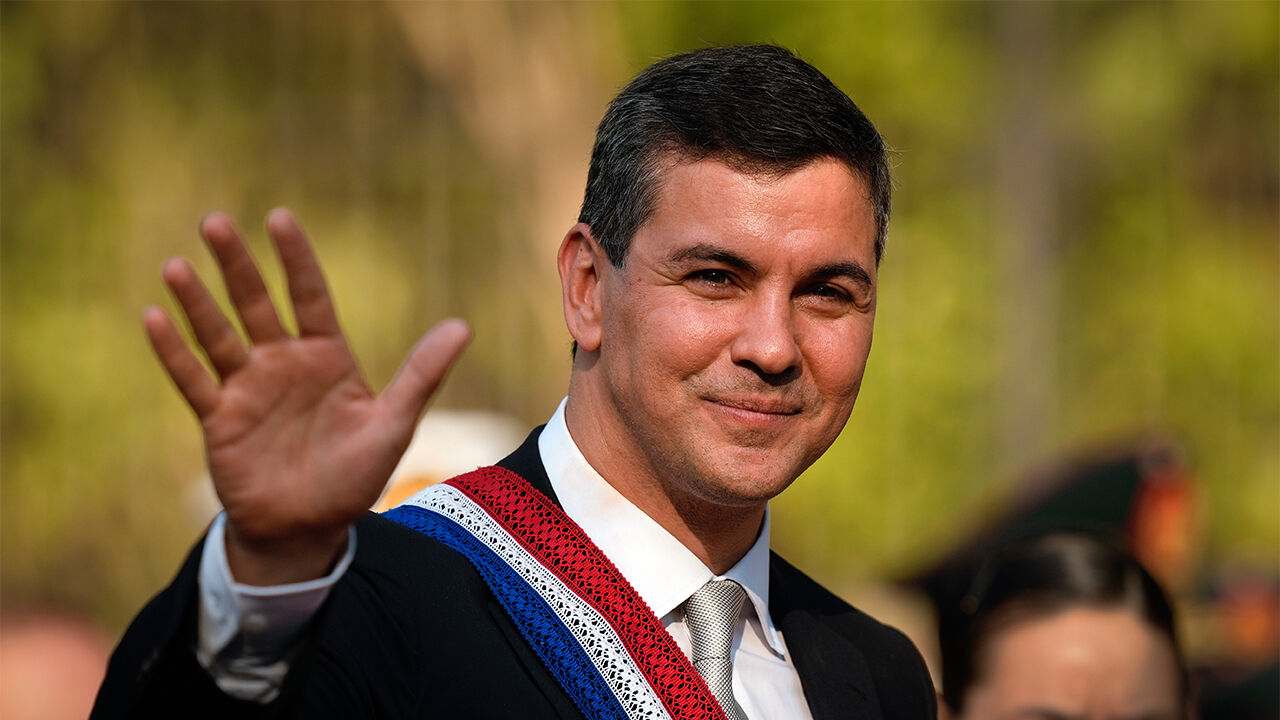
Summary Former Paraguayan President Santiago Peña has sparked outrage after reports revealed he was living in a luxury "suite" inside a military compound rather than a standard prison following his impeachment and arrest on corruption and breach of trust charges.
According to Paraguayan outlet ABC Color, Peña was detained on November 7 at the Presidential Escort Regiment after a court issued an arrest warrant citing risks of flight and evidence tampering. Instead of being placed in a regular correctional facility, he was housed in a high-end room originally built for sitting presidents, complete with a reception area, office space, desk, coffee table, and private bathroom.
Adding to the controversy, a key military conference room—previously used by the president and top brass to discuss national security and coordinate security for visiting world leaders—was reportedly cleared out and converted into a private gym for his stay. Equipped with air conditioning, a treadmill, an ab bench, and at least 20 dumbbells, the brand-new setup stood in stark contrast to the worn-out equipment used by ordinary soldiers.
As public anger mounted over the apparent special treatment, authorities moved quickly to contain the fallout. A court ordered Peña's transfer to the Viñas Cué military prison in Asunción, while President Pedro Alliana dismissed the regiment's commander, Colonel José Dayub, over the alleged favors. Peña, who was impeached on November 6 over accusations of granting illicit privileges to the now-suspended Ueno Bank, is among 27 people indicted in the ongoing investigation.
In South Korea, where high-profile corruption cases and debates over "emperors' sentences" (황제 수용, or preferential treatment for wealthy and powerful inmates) frequently draw intense public scrutiny, the story resonated strongly as a striking example of elite privilege behind bars.
Sponsored · Ad