Türkiye Bans Social Media for Under-15s Starting in November Amid Global Regulatory Wave
Key Points
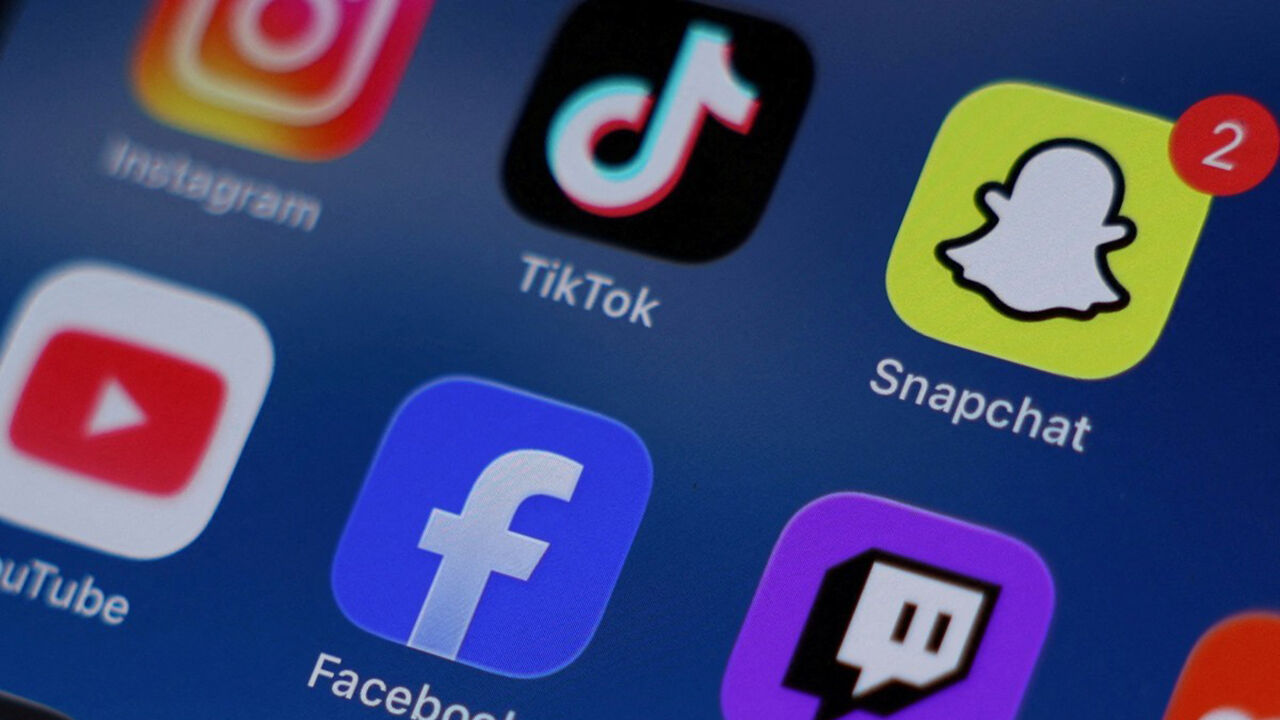
- The Turkish government announced that children under 15 will be barred from using social media starting November 1, with platforms mandated to enforce age verification.
- The measure reflects an accelerating worldwide trend, joining similar youth digital restriction initiatives across the European Union, Canada, and the UK.
- While framed around child protection and curbing addictive online features, the policy also draws scrutiny due to past state internet censorship and freedom-of-speech concerns.
Summary Türkiye has officially announced a new law that prohibits children under the age of 15 from accessing social media platforms, set to take effect on November 1. Under the new legislation passed by the Turkish parliament in April, social media companies are legally required to put technical and administrative measures in place, such as age verification systems, to ensure compliance. In addition, providing services with addictive mechanisms to minors aged 15 and older will also be strictly prohibited.
The move places Türkiye alongside an accelerating international wave of digital restrictions targeting youth safety. In September, the European Union put forward a legal proposal seeking to limit access to social media and video-sharing platforms for children under 15, while several European nations—including France, Denmark, Austria, Greece, and Spain—are actively pursuing their own national legislation. The United Kingdom is slated to introduce youth social media restrictions next year, and Canada is currently discussing a bill that would restrict access for minors under 16.
However, Türkiye's new policy has also drawn heightened attention due to the government's controversial track record on digital censorship. International human rights organizations have repeatedly criticized the country for blocking activist and media accounts. In 2024, Turkish authorities blocked Instagram for an entire week over allegations of censoring posts mourning Hamas leader Ismail Haniyeh, and courts recently blocked news websites and social media accounts over alleged LGBT propaganda. With international rights group Freedom House rating Türkiye’s internet environment as 'not free' in 2025, civil liberties observers will be watching closely to see how the youth protection measures are enforced alongside existing online controls.
Sponsored · Ad