Villagers in Nepal Evacuate via Urgent Phone Calls Ahead of Official Warning as Flash Floods Hit 46 Days Later
Key Points
- A sudden flash flood tore through Nepal's Gorkha region, destroying homes and bridges while leaving at least five missing and 95 rescued.
- The disaster drew attention in Korea as residents evacuated early by calling neighbors two hours before official alerts after hearing roaring mountain water.
- The incident underscores escalating climate vulnerability in the Himalayas, where flood-exposed infrastructure has jumped 46% in seven years.
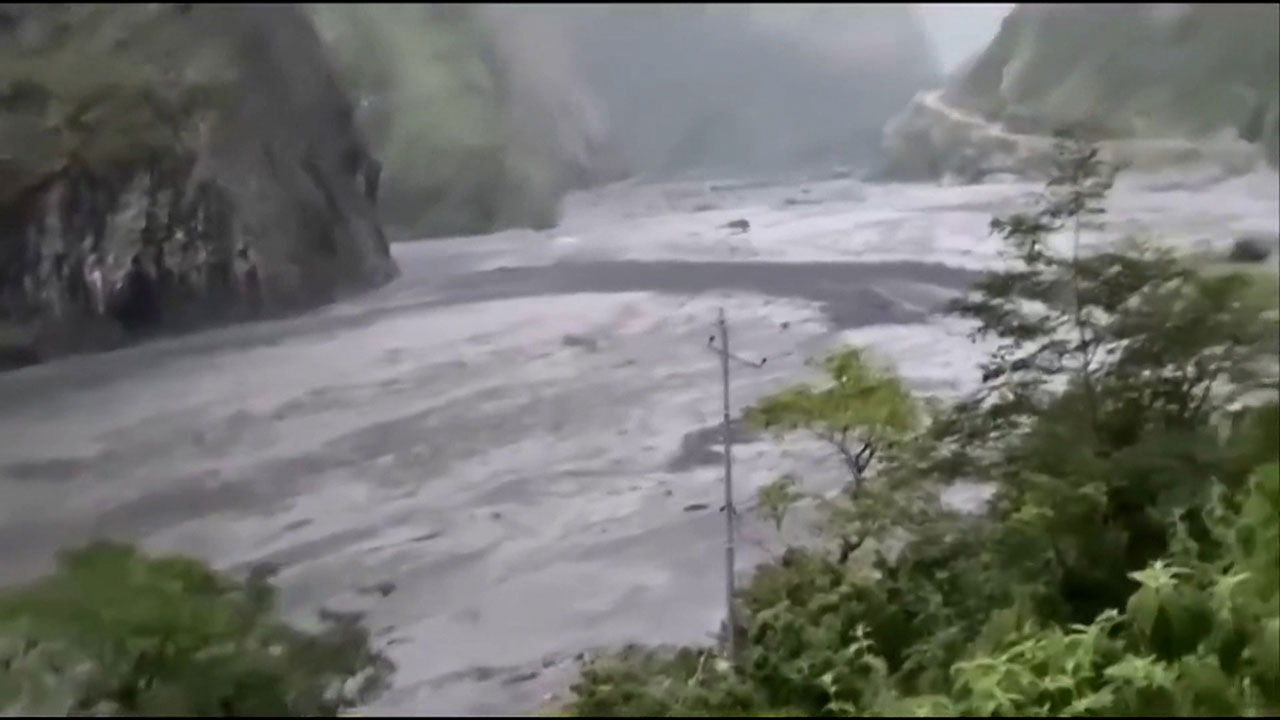
Summary Just 46 days after devastating summer floods struck Nepal, another catastrophic flash flood swept through the Gorkha region in Gandaki Province, roughly 100 kilometers west of the capital, Kathmandu. The torrent of black mud, dislodged boulders, and debris tore through mountain valleys, destroying dozens of residential homes, wiping out key bridge connections, and damaging local hydroelectric power infrastructure. At least five people were reported missing, while 95 individuals were rescued in the aftermath.
The affected Budhi Gandaki River originates near Mount Manaslu in the Himalayas, flowing southward until it merges at Benighat with the Trishuli River—the epicenter of deadly flooding late August. Similar to the earlier disaster, authorities believe the surge was triggered by high-altitude landslides blocking mountain watercourses, which abruptly burst and sent enormous volumes of water and heavy sediment crashing downstream.
Remarkably, casualties were significantly minimized thanks to quick community action that outpaced official alert systems. Approximately two hours before local authorities issued formal evacuation warnings, villagers detected an ominous roaring sound echoing from the swollen mountain valleys. Recognizing the immediate risk of river overflow, residents took matters into their own hands, coordinating rapid telephone chains to warn neighbors and urge them to evacuate to higher ground.
Korean media outlets closely follow Himalayan natural disasters, not only due to Nepal's status as a premier destination for South Korean trekking enthusiasts and mountaineers, but also amid heightened public interest in the tangible toll of climate change across Asia. The report highlighted sobering scientific data from British researchers showing that building surface areas exposed to flood risks across the Himalayas—including Nepal, India, and China—surged by 46% over just seven years, placing an estimated 290,000 residents in acute peril.
Sponsored · Ad