Samsung and SK Hynix Push Advanced NAND Upgrades at China Fabs Amid Fierce Market Rivalry
Key Points
- Samsung Electronics and SK Hynix are moving to upgrade NAND flash production lines in their Chinese fabs to 286-layer and 240+ layer chips, respectively.
- The strategic upgrades come as Chinese competitor YMTC surpassed Samsung in China's domestic NAND market share during the second quarter.
- Both firms must navigate strict annual U.S. export licensing requirements for American chipmaking equipment while defending their global and regional market positions.
Summary South Korea’s two leading semiconductor giants, Samsung Electronics and SK Hynix, are making strategic moves to upgrade their NAND flash memory manufacturing facilities located in China, according to a report by Reuters citing industry sources. Both companies confirmed that technological process upgrades are currently underway and that they remain in close consultation with the U.S. government, though specific production roadmaps have not been formally disclosed.
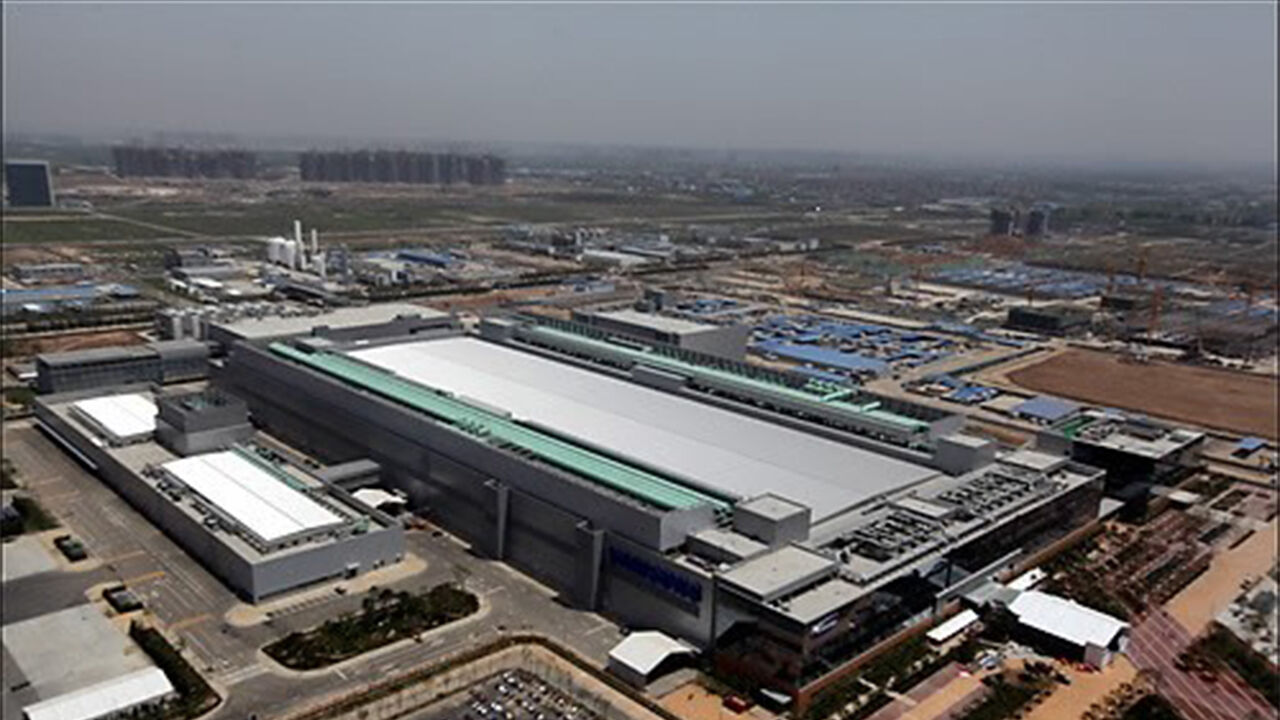
According to insider sources, Samsung Electronics is transitioning its Xi'an fabrication plant toward advanced 286-layer NAND flash production. The company reportedly aims for an initial output of 5,000 wafers per month by December, targeting an expansion to 40,000 wafers monthly by the following December. Samsung emphasized that this shift is aimed at addressing growing global customer demand—including from clients in the United States—rather than expanding overall capacity or constructing new fab facilities. Meanwhile, SK Hynix is reportedly pursuing plans to upgrade its Dalian facility from 192-layer to over 240-layer NAND flash memory.
These technological pivots place both Korean memory titans at the center of complex geopolitical and commercial cross-pressures. Under current export regulations, both firms require recurring annual authorizations from the U.S. Bureau of Industry and Security (BIS) to bring American-made chip equipment into China. Last year, the BIS indicated a strict stance against factory capacity expansions and advanced technological upgrades for facilities located in China, leaving the exact scope of permitted equipment clearances under scrutiny.
The push to upgrade comes amid fierce competition from domestic Chinese memory makers. Data from market research firm Omdia shows China's Yangtze Memory Technologies Corp (YMTC) captured a 38.5% share of China’s domestic NAND flash market in the second quarter, edging ahead of Samsung's 33.5%, while SK Hynix’s market share dropped from 20% to 17%. Navigating stringent international trade constraints while defending their market footholds against local rivals represents one of the most critical high-wire balancing acts facing South Korea's high-tech manufacturing sector.
Sponsored · Ad