Just Six Weeks After Receiving Medal of Honor, Elon Musk Backs Calls for 'New Leader' in Ukraine
Key Points
- Elon Musk agreed on social media with statements claiming that Ukraine needs a new president, just weeks after receiving Ukraine's Order of Freedom.
- The sudden public dispute erupted after President Donald Trump clashed with Ukrainian President Volodymyr Zelenskyy over an agreement to import Russian diesel into the U.S.
- The reversal is particularly striking given the Ukrainian military's critical reliance on Musk's Starlink satellite internet network for frontline drone communications.
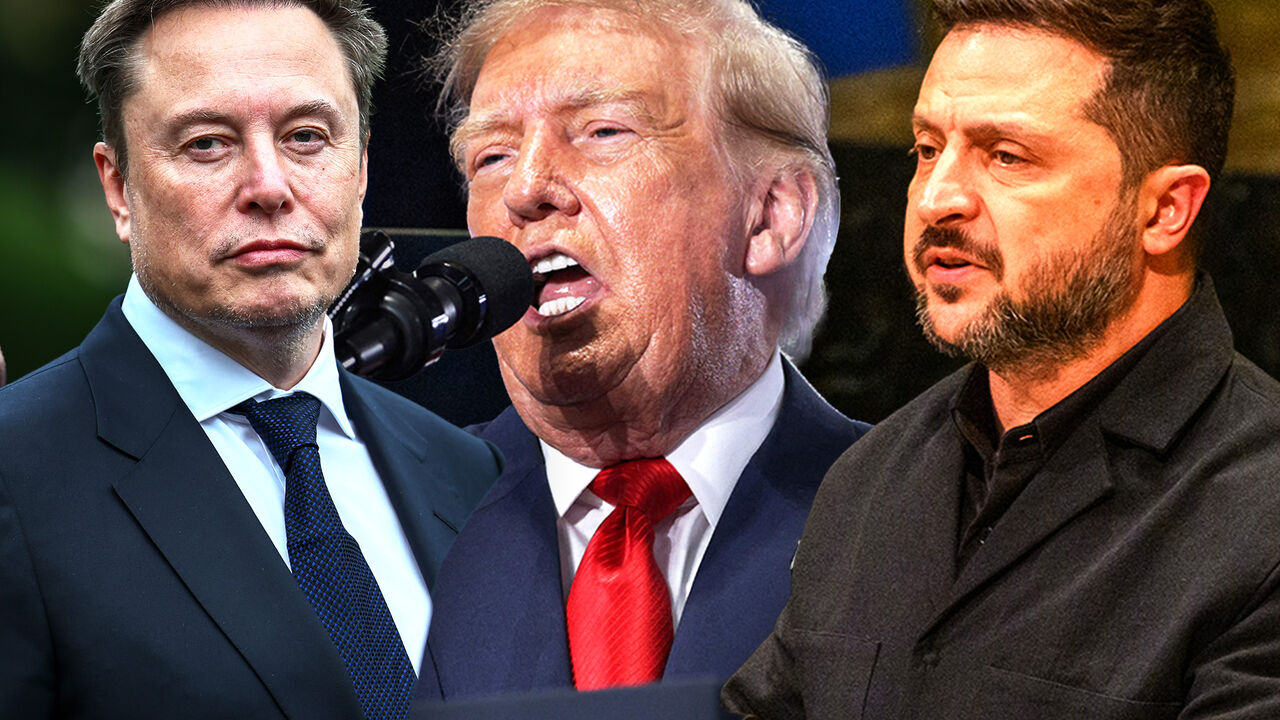
Summary Elon Musk, the billionaire CEO behind SpaceX and Starlink, has openly backed remarks questioning Ukrainian President Volodymyr Zelenskyy’s leadership, calling for a change in Ukraine's presidency. The public clash marks a dramatic shift in relations just six weeks after Ukraine awarded Musk a prestigious national honor.
Responding on X (formerly Twitter) to comments made by U.S. President Donald Trump criticizing Zelenskyy, Musk wrote, "Agreed, time for Ukraine to seek a new leader." This exchange followed an earlier remark where Musk asserted that President Zelenskyy had "crossed the line." The dispute was triggered after President Trump announced an agreement with Russian President Vladimir Putin to import Russian diesel fuel into the United States, prompting criticism from Zelenskyy, to which Trump responded by stating that it was time for Ukraine to elect a new president.
The rapid souring of ties stands in stark contrast to late August, when President Zelenskyy personally bestowed the Order of Freedom upon Musk on August 26, recognizing his vital contribution to saving lives and defending liberty. SpaceX’s Starlink satellite network has served as an indispensable communications backbone for the Ukrainian military, especially for drone warfare and frontline operations. Meanwhile, Russian state narratives have seized on the discord to question Zelenskyy’s legitimacy, citing the suspension of regular presidential elections under martial law.
For international audiences following global affairs through Korean media reporting, coverage of international geopolitics—especially involving high-profile tech figures like Elon Musk—frequently captures wide attention due to South Korea's own sensitive defense context, high public engagement with international tech platforms, and deep interest in satellite communications technology. However, with the sudden escalation of political tension between key international allies and defense providers, the episode highlights how fragile geopolitical alignments can become in the era of social media diplomacy.
Sponsored · Ad