Tragic High-Speed Train Collision in Spain Claims 69 Lives, Leaving Two South Koreans Injured
Key Points
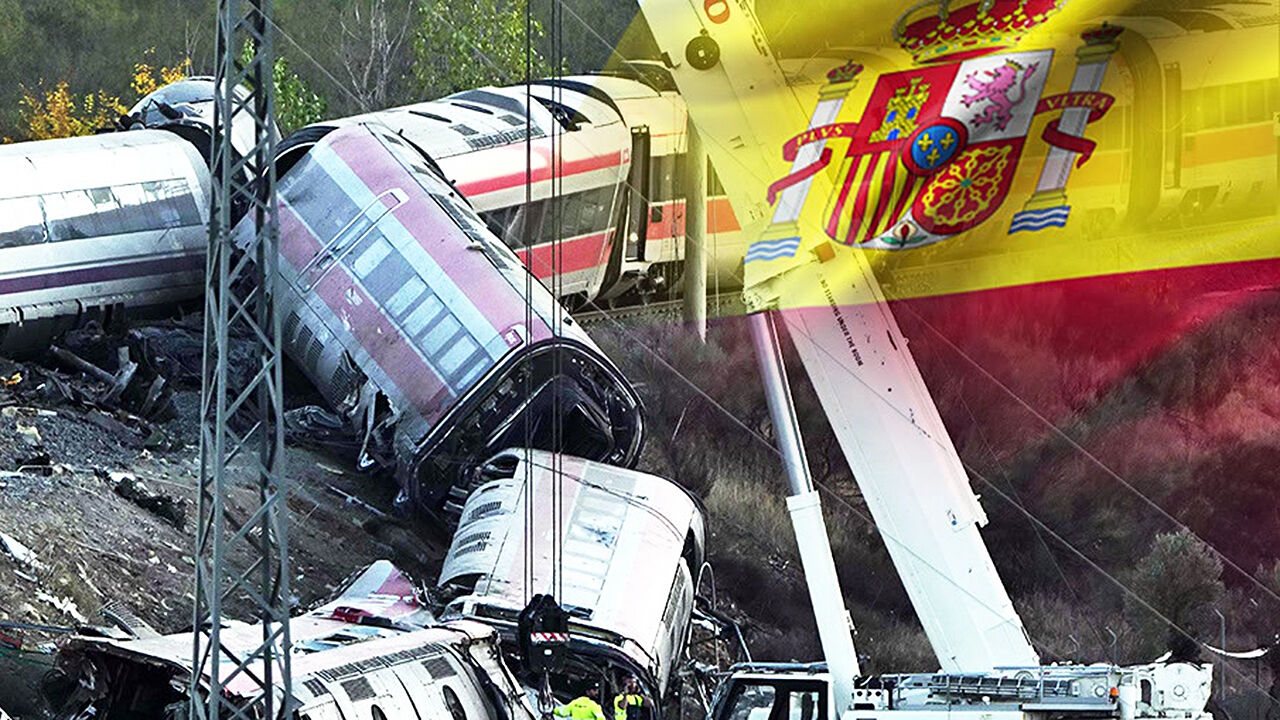
- At least 69 passengers were killed and over 100 injured when a state-run train rear-ended a halted private passenger train south of Madrid, Spain.
- The disaster drew sharp attention in South Korea after the embassy confirmed 10 South Korean nationals were on board, with two sustaining injuries.
- The tragedy has sparked severe scrutiny over railway safety protocols, as maintenance spending lagged behind rapid rail expansion on a line that suffered a fatal collision earlier this year.
Summary A devastating high-speed rail collision near Toledo, south of Madrid, Spain, has claimed at least 69 lives and left more than 100 passengers injured, prompting national mourning and raising serious concerns abroad, including in South Korea. Among the 544 passengers on board the involved trains, 10 South Korean nationals were confirmed to have been traveling on the service, with two sustaining injuries.
According to Spanish transport authorities and South Korean diplomatic officials, the disaster unfolded around 9:00 a.m. local time on October 28. Signaling failures had previously halted six trains along a 63-kilometer stretch of track. Following an order from the central traffic control center to resume operations, a state-run train rear-ended a stationary private train. Due to system glitches, trains were mandated to operate under a strict speed cap of 40 km/h, but investigators revealed that this speed restriction was not observed. The forceful impact completely derailed carriages, mangled cars together, and overturned three cars of the private train.
The South Korean Embassy in Spain quickly mobilized to verify the safety of its citizens. South Korean Ambassador to Spain Lim Soo-suk reported that of the two injured Korean travelers, one successfully underwent surgery and is recovering in a general ward, while the other was treated for minor injuries, discharged, and was able to proceed to their intended destination.
In Korea, international transit disasters involving traveling nationals consistently generate heightened public concern and heavy media attention. With Spain being one of the top European travel destinations for Korean backpackers, vacationers, and retirees, the safety of intercity transit networks like the high-speed rail is followed closely by the public and travel communities.
The tragedy has also placed Spanish railway management under intense scrutiny. The Spanish government declared three days of national mourning, suspending major cultural and sporting events. Critically, this disaster occurred on the exact same rail corridor where a catastrophic collision claimed 46 lives and injured 150 people earlier in January. Although Spain operates Europe’s longest high-speed rail network and invests over 2 trillion won annually into the sector, maintenance budgets comprise only around 16% of total expenditure—significantly lower than peer European nations. Critics and passengers have pointed out that rapid infrastructure expansion and speed prioritization may have come at the cost of essential safety systems, maintenance, and protocol adherence.
Sponsored · Ad