Russia Detains Japanese Journalist on Espionage Charges as Diplomatic Feud Escalates
Key Points
- Russia's FSB arrested Yuki Imai, a Sakhalin correspondent for Japan's Hokkaido Shimbun, accusing him of gathering Ukraine war mobilization data for Japanese intelligence.
- The move is widely viewed in the region as retaliatory 'hostage diplomacy' following Japan's recent sanctions against Russia's shadow oil fleet and territorial disputes over the Kuril Islands.
- Despite the public arrest video, Tokyo has chosen a restrained response to prioritize the journalist's safety and avoid diplomatic isolation amid shifting global alliances.
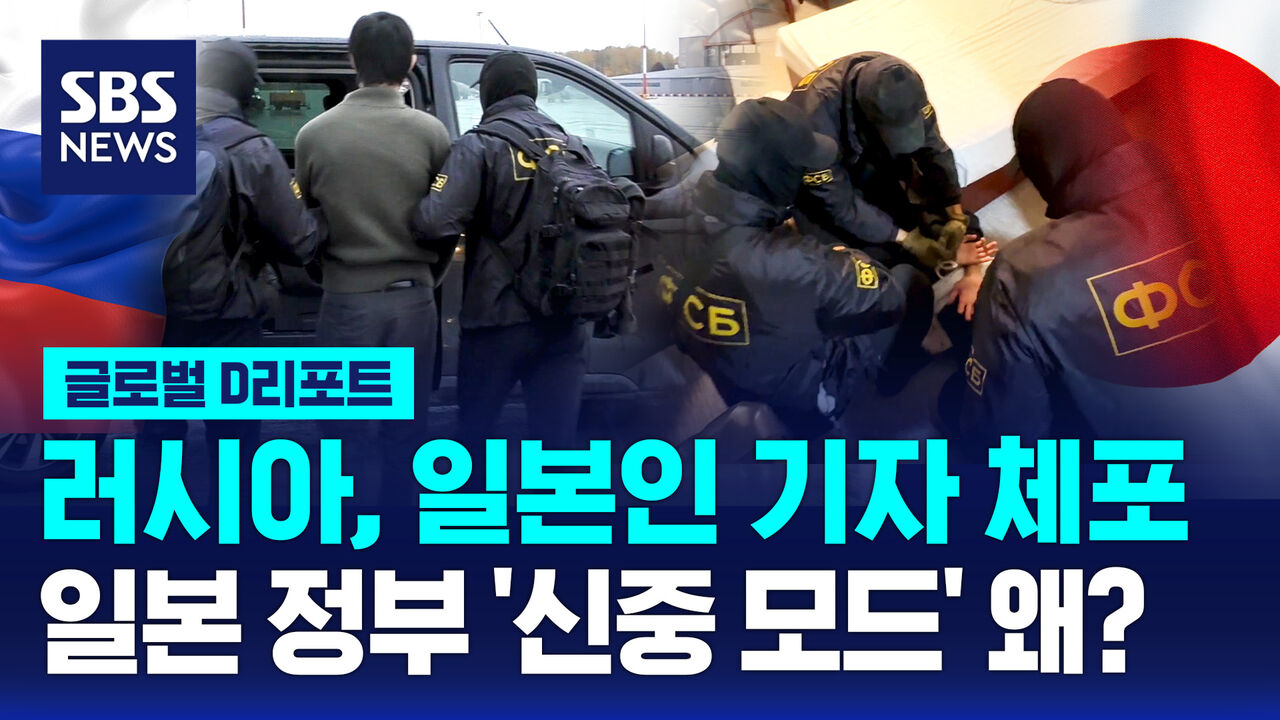
Summary In a dramatic escalation of geopolitical friction in East Asia, Russia's Federal Security Service (FSB) has arrested a Japanese journalist on espionage charges in Sakhalin, releasing raid footage that has sent shockwaves through regional diplomatic circles. The detained reporter, Yuki Imai, serves as the Sakhalin correspondent for Japan's Hokkaido Shimbun. According to Russian authorities, Imai was apprehended on allegations of collecting data on individuals mobilized or volunteering for the war in Ukraine under the directive of Japanese intelligence agencies. Footage broadcast by Russian authorities captured agents pinning the correspondent to the floor, confiscating identification documents and electronic devices, and transferring him to Moscow.
Analysts view the arrest and public display of the interrogation as an overt exercise in 'hostage diplomacy.' Tensions between Tokyo and Moscow have steadily intensified following Japan's alignment with Western-led sanctions against Russia over the Ukraine war. Friction reached a new high in August when Russian President Vladimir Putin made a controversial visit to the disputed Kuril Islands (referred to as the Northern Territories in Japan), followed swiftly by Russian missile exercises in the area. In response, Tokyo slapped additional sanctions targeting 35 vessels belonging to Russia's 'shadow fleet' used to circumvent crude oil export restrictions. Observers suggest that targeting a correspondent from Hokkaido—a prefecture with deep historical and geographical ties to the disputed islands—is a retaliatory signal aimed directly at curbing Japan's active enforcement of sanctions.
Despite the provocative nature of the arrest, the Japanese government has deliberately adopted a cautious, restrained tone. Tokyo highlighted that securing the safety of the journalist remains its top priority, with Chief Cabinet Secretary Minoru Kihara emphasizing the necessity of maintaining appropriate bilateral channels while serving overall national interests. This measured stance reflects broader diplomatic anxieties in Tokyo, particularly concerning potential isolation amid strained ties with Beijing and Moscow, especially as shifting U.S. foreign policy dynamics complicate coordination among traditional allies.
Sponsored · Ad