Hackers Spike French Blood Bank Freezers to 110°C in Bizarre Cyber Attack on Vital Infrastructure
Key Points
- Cyberattackers breached commercial refrigeration systems in France, driving blood and plasma storage temperatures from -30°C up to 110°C before staff rescued the supplies.
- The report gained significant attention in Korea for demonstrating how easily internet-connected industrial controls with default passwords like 'admin/12345' can be weaponized.
- Data reveals a dramatic shift toward politically motivated sabotage rather than financial ransom, with attacks on essential public infrastructure surging across Europe.
Summary A disturbing wave of cyberattacks targeting European refrigeration networks has escalated into a direct threat to healthcare infrastructure, after hackers manipulated temperature controls at blood storage facilities in France. According to a report by South Korean broadcaster SBS, critical cooling units holding life-saving plasma and blood supplies saw temperatures skyrocket from sub-zero levels to an astonishing 110 degrees Celsius (230 degrees Fahrenheit).
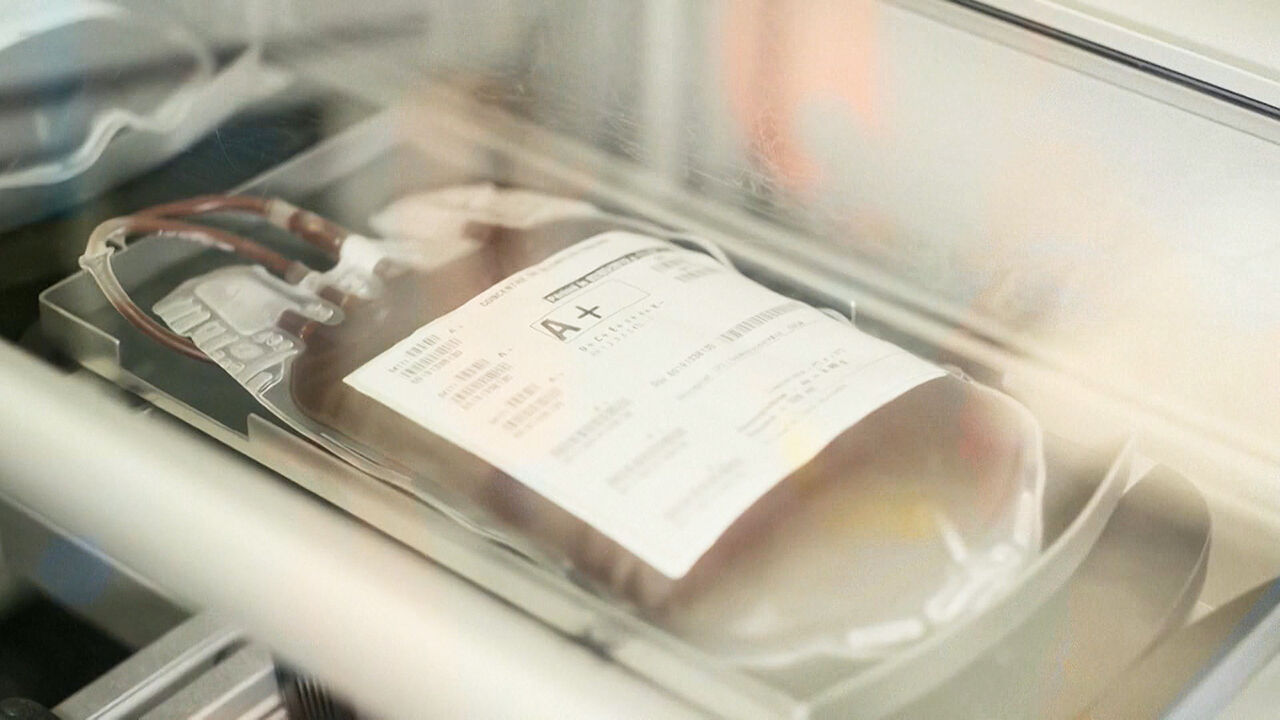
The French Blood Establishment (Etablissement Français du Sang) confirmed that three specialized refrigeration facilities housing plasma for transfusions were breached during a coordinated spate of intrusions that previously hit supermarket cold-chain infrastructure across Europe. Disaster was narrowly averted when medical staff quickly relocated the blood products into unaffected storage units before the extreme heating caused irreversible spoilage.
Security audits revealed an alarming vulnerability at the heart of the crisis: default factory settings and lax administrative protocols. In an on-air demonstration, cybersecurity expert Laurence Schinjé illustrated how trivial the breach was, showing that simply entering default credentials like 'admin' and '12345' granted full remote administrative control over the cooling system's master interface, allowing unauthorized users to toggle the heating mechanisms with a single click.
Beyond technical negligence, the incident highlights a chilling evolution in global cyber warfare. EU intelligence data cited in the broadcast revealed that 57 percent of the 8,200 cyberattacks recorded last year were politically driven assaults on public utilities and civic infrastructure rather than financial ransomware extortion, with pro-Russian threat groups accounting for nearly half of these operations. With authorities warning of an unprecedented surge in disruptive attacks aimed at civilian lifelines, European leaders and international security monitors are urgently reassessing baseline IoT protections across public health and food logistics chains.
Sponsored · Ad