Chicago Cubs Win Legal Battle Against Last Wrigley Field Rooftop Ticket Vendor
Key Points
- A U.S. federal court ordered Aiden Dunican, who ran an outfield rooftop viewing venue across from Wrigley Field for about 30 years, to halt ticket sales following a lawsuit by the Chicago Cubs.
- The dispute erupted after a 20-year licensing contract expired in 2023, with Dunican rejecting the Cubs' demands for up to 40% of postseason revenue.
- Built in 1914 amidst a residential neighborhood, Wrigley Field long inspired rooftop businesses, but the Cubs have gradually acquired surrounding buildings and consolidated control over the historic v
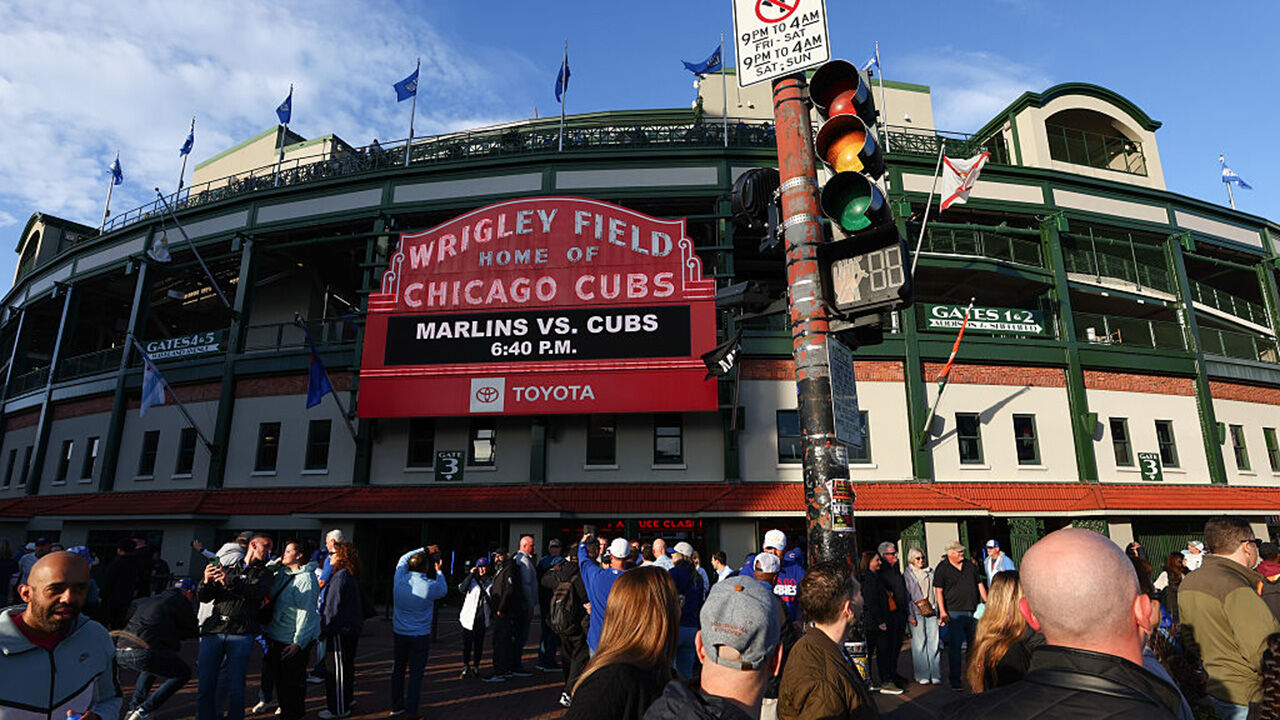
Summary A major legal battle between Major League Baseball’s Chicago Cubs and an independent rooftop business owner across from Wrigley Field has come to a decisive halt. A U.S. federal court ordered 64-year-old Aiden Dunican to immediately cease selling tickets for rooftop game viewings from his building opposite the outfield wall. The ruling marks a major victory for the franchise in its campaign to control commercial viewing spaces adjacent to its historic home.
Dunican’s rooftop business dates back to the 1990s, when he purchased the property across Wrigley Field's outfield fence for $400,000 and transformed it into a four-story structure featuring tiered bleachers. For roughly three decades, he operated an all-inclusive experience hosting about 200 spectators per game, offering food and alcoholic beverages with tickets priced between $100 and $300. The enterprise proved lucrative, generating approximately $1 million (around 1.34 billion KRW) in annual revenue.
The dispute stems from a long-standing historical relationship between the ballpark and its surrounding residential neighborhood. Wrigley Field, built in 1914 in a densely populated Chicago community, has long permitted neighbors on adjacent rooftops to peer directly onto the diamond. In 2004, the Cubs formalized this arrangement by signing 20-year licensing agreements with surrounding building owners, permitting rooftop seating in exchange for roughly 17 percent of gross revenue.
When the 20-year agreement expired in 2023, negotiations collapsed. While Dunican offered to raise the royalty rate to 20 percent, the Cubs countered with a demand for 30 percent during the regular season and 40 percent in the postseason. Maintaining that any commercial exploitation of live games requires team authorization, the Cubs filed a lawsuit in 2024 and even erected translucent screens and large advertising banners in the outfield bleachers to partially obstruct Dunican’s view.
Over the years, the Cubs acquired 11 buildings and rooftop operations surrounding Wrigley Field and reached updated revenue-sharing agreements with others, leaving Dunican as the final independent holdout challenging the club's terms. Although Dunican is considering an appeal, he has also signaled an openness to selling the property to the Cubs under fair terms, noting he invested more than $2 million in renovations alone in 2010. For global sports fans following MLB business dynamics, the case highlights the tension between cherished ballpark traditions and modern franchise commercialization.
Sponsored · Ad