Spanish King Makes Rare Visit to North African Enclave Ceuta to Affirm Sovereignty and Mourn Migrant Deaths
Key Points
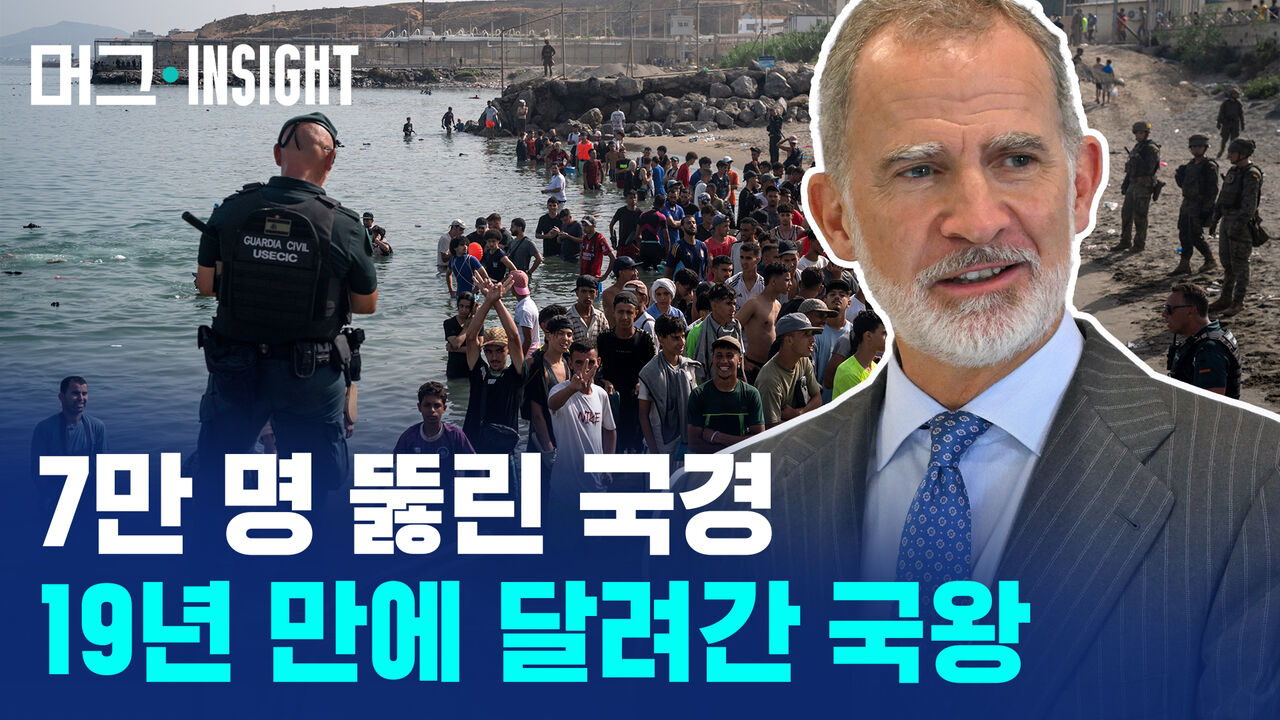
- The King of Spain visited the North African enclave of Ceuta for the first time in 19 years following a severe border surge that saw 72,000 migrant crossings and over 100 casualties in just two days.
- Korean broadcaster SBS covered the rare event to analyze the dual messages behind the monarch's speech affirming national sovereignty and his evening visit to unmarked migrant graves.
- Ceuta borders Morocco and represents one of Europe's most sensitive border frontiers, where national territorial defense collides with an acute humanitarian crisis.
Summary In an extraordinary and rare diplomatic gesture, the King of Spain visited Ceuta—a Spanish enclave located on the northern tip of Africa bordering Morocco—marking his first trip to the territory in 19 years. The visit arrived amidst intense geopolitical friction and humanitarian heartbreak, coming shortly after a major border crisis where 72,000 migrants crossed into the city within just two days, resulting in over 100 tragic deaths.
Ceuta represents one of the European Union's only direct land borders on the African continent. Consequently, it has long been a focal point of intense migration pressure as well as chronic territorial disputes between Madrid and Rabat. The Spanish monarch's arrival carried immense symbolic weight: stepping onto the enclave was a firm, public declaration defending Spanish sovereignty and territorial integrity before thousands of cheering residents.
However, the trip carried a duality of purpose that struck international observers. Later that evening, away from the crowds and ceremonial fanfares, the King visited an austere cemetery to pay respects at the nameless graves marked only by numbers—the final resting places of migrants who lost their lives attempting to cross the fortified frontier.
Covered in South Korea via SBS's 'Mug Insight' feature series, the story highlights the delicate intersection of national border enforcement and profound humanitarian tragedy, illustrating how statecraft and human grief converge in one of the world's most contested border enclaves.
Sponsored · Ad