"Lives Snatched in an Instant": Ebola Cases Near 10,000 in DRC as Death Toll Surges Past 4,800
Key Points
- Confirmed Ebola cases in the Democratic Republic of the Congo have exceeded 9,870 with more than 4,800 deaths, marking a 48.6% fatality rate.
- The outbreak has drawn serious concern on Korean international news desks as cross-border cases are now reported in Kenya and Nigeria.
- International relief bodies like the International Rescue Committee are operating isolation centers across 24 sites while calling for urgent global funding to contain transmission.
Summary A major international health crisis has captured attention on South Korean news broadcasts, as SBS World Report highlighted a devastating surge in Ebola cases across the Democratic Republic of the Congo (DRC) and neighboring African nations. According to recent reports, confirmed Ebola cases in the DRC have climbed past 9,870, with tragic fatalities topping 4,800. This brings the fatality rate to an alarming 48.6%, approximately double the death toll observed during the widespread 2018–2020 outbreak.
The report put a deeply human face on the statistics through the story of Zawadi, a resident of Beni, a small city in the eastern DRC. Zawadi recounted the heartbreak of losing both her sister and father to the disease last month before they could receive medical treatment or even consult a doctor. "My father died immediately," Zawadi shared. "Ebola snatched my father's life away in an instant. It was unbelievable." The severe shortage of medical infrastructure has left many families facing rapid, fatal illness at home without professional intervention.
Fears of a broader regional outbreak are mounting as cross-border infections emerge. Kenya has confirmed nine cases and one fatality, including a patient who had recently traveled to the DRC and an isolated 65-year-old female relative who subsequently developed symptoms and died. Nigeria has also confirmed an imported case involving a traveler arriving from Uganda.
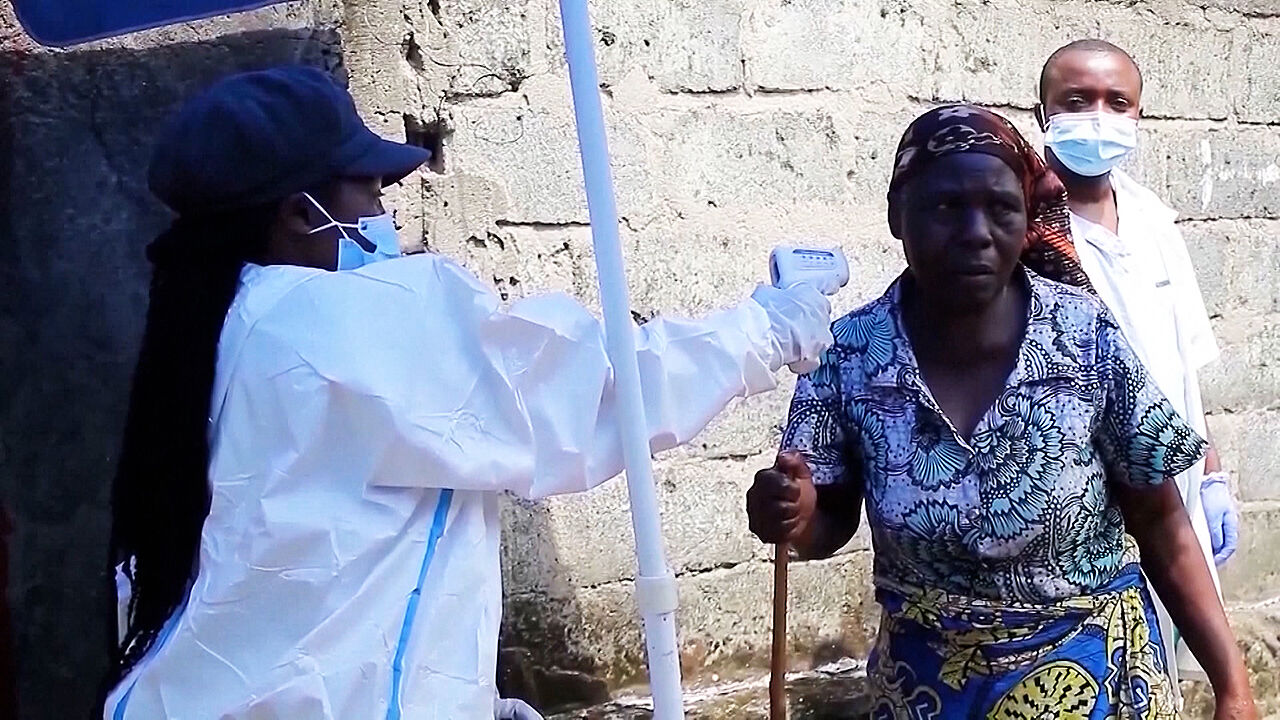
In response, international relief organizations such as the International Rescue Committee (IRC) have mobilized across 24 locations in the DRC, establishing patient isolation units, distributing personal protective equipment (PPE), and working to secure clean drinking water and sanitary environments. Global humanitarian organizations stress that urgent international cooperation and immediate financial support are essential to sustain contact tracing, border quarantine controls, and frontline healthcare protection to prevent further loss of life.
Sponsored · Ad