UN Faults South Korea for Inaction on Non-Consensual Rape Law and Wartime Sexual Slavery Remedies
Key Points
- The UN CEDAW concluded that South Korea has not implemented key recommendations regarding non-consensual rape legislation and reparations for Japanese military sexual slavery survivors.
- The committee expressed serious concern over the complete lack of concrete action on consent-based legal reform and voiced regret that a comprehensive anti-discrimination law has been stalled for over
- While the gender equality ministry expanded with a new policy office and budget increase, the UN stressed that substantial resources and authority are still needed across government agencies.
Summary The United Nations Committee on the Elimination of Discrimination against Women (CEDAW) has issued an official assessment evaluating South Korea's progress on key gender equality recommendations, concluding that the government has failed to take concrete action on non-consensual rape legislation and remedies for victims of Japanese military sexual slavery.
According to a review of the interim progress report submitted by South Korea regarding CEDAW's 9th concluding observations adopted in June 2024, the UN committee reviewed four urgent priority areas. While the expansion of the gender equality ministry and initiatives around a comprehensive anti-discrimination law received a rating of "partial implementation," the introduction of consent-based rape definitions and lasting solutions for "comfort women" survivors were formally classified as "unimplemented."
Regarding the legal definition of sexual violence, CEDAW expressed grave concern that South Korea has failed to take any specific steps toward revising its criminal code to define rape based on the lack of freely given consent rather than requiring physical violence or intimidation. Under traditional South Korean criminal law, prosecuting sexual offenses often hinges heavily on proving that the perpetrator used severe force or threats, a long-standing point of contention among legal reformers and women's rights advocates who argue this leaves many victims unprotected.
On historical justice, the committee reiterated that the South Korean government must recognize the fundamental right of surviving victims of Japanese military sexual slavery to obtain justice, urging authorities to ensure full, effective remedies and reparations.
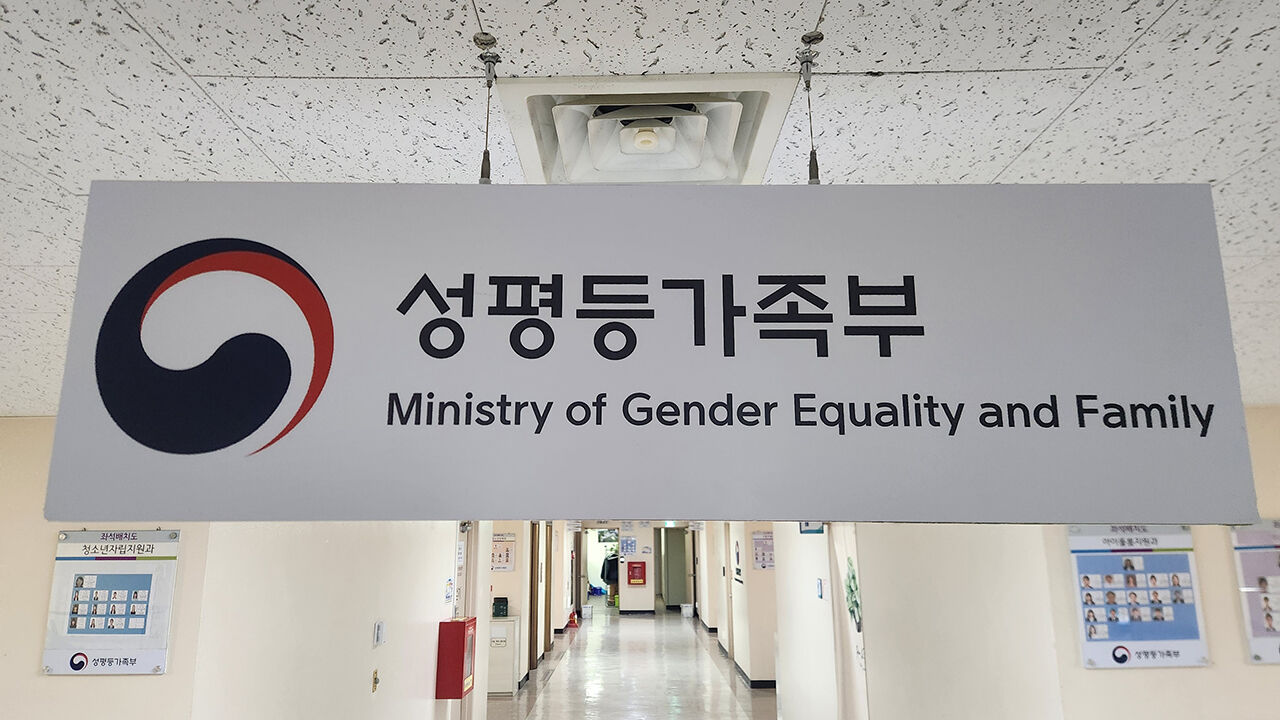
Meanwhile, on structural and broader human rights fronts, CEDAW acknowledged that the Gender Equality Ministry had created a Gender Equality Policy Office and seen a 13% budget increase compared to the previous year. However, the committee cautioned that the ministry has yet to prove these additional resources are sufficient to coordinate and oversee gender policies across all government ministries, recommending expanded staffing, budget, and institutional capacity. The committee also expressed deep regret over the general anti-discrimination law, emphasizing that its enactment has stalled in the National Assembly for more than two decades and demanding a concrete legislative roadmap.
Sponsored · Ad