Spain Declares Three-Day Mourning After Tragic High-Speed Train Crash Kills at Least 68
Key Points
- A state-run Renfe AVE high-speed train collided with a stationary private Iryo train south of Madrid, killing at least 68 people and injuring over 100.
- The tragedy gained notable attention in South Korea after authorities confirmed 10 South Korean passengers were aboard the trains, two of whom suffered injuries.
- The crash—Europe's deadliest rail disaster since 2013—occurred after service resumed despite an automated control glitch, intensifying scrutiny over infrastructure safety ahead of Spain's snap electio
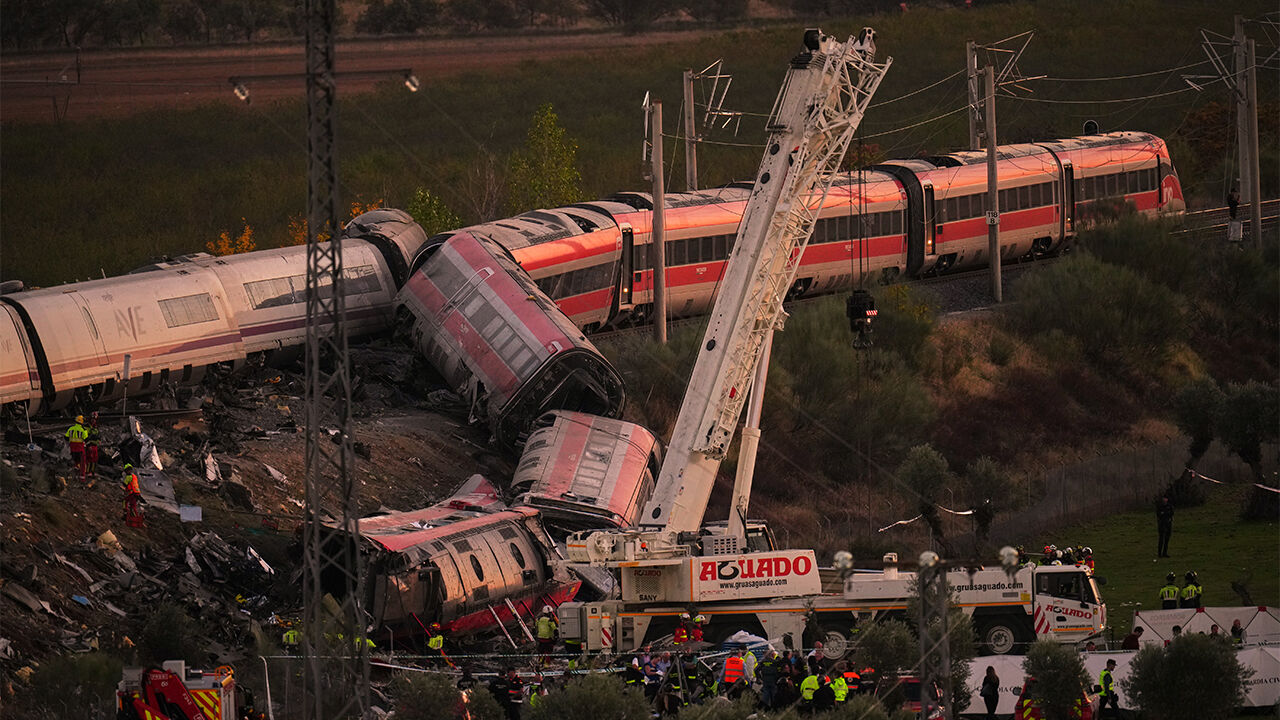
Summary A catastrophic high-speed rail collision south of Madrid, Spain, has claimed the lives of at least 68 people and injured more than 100 others, making it the deadliest rail disaster in Europe since 2013. The crash took place near Urda in Toledo province along the busy high-speed corridor connecting Madrid to the southern region of Andalusia. A state-operated Renfe AVE train, traveling at an estimated speed of 200 km/h, slammed into the rear of a stationary train run by private operator Iryo. The violence of the impact derailed several carriages, sending them plunging down an embankment. Over 540 passengers were aboard both trains, and regional authorities in Castilla-La Mancha confirmed that among the injured, 15 remain in critical condition.
The tragedy reverberated internationally and caught immediate attention in South Korea after the South Korean Embassy in Spain confirmed that 10 South Korean nationals were aboard the trains, with two sustaining injuries requiring hospital treatment. For South Korean readers, the report stands out not only because of fellow citizens involved abroad, but also due to the sharp contrast between Spain's renowned rail network and recurring safety lapses. Spain boasts Europe's largest high-speed rail network spanning over 3,900 kilometers—often compared by travelers to Korea's own nationwide KTX network. Yet this marks Spain's second fatal high-speed collision in 2026 alone, following an incident in Adamuz, Cordoba, that killed 46 people in January.
Initial investigations point to a severe technical breakdown and potential signaling or dispatch miscommunication. Spanish transport authorities revealed that the accident occurred while train traffic along a 69-kilometer section had been suspended due to technical faults in the automated train control system. Before the issue was fully resolved, the Renfe AVE train resumed operations under dispatch instructions, traveling roughly 25 kilometers before rear-ending the halted private train. Spanish Transport Minister Óscar Puente expressed bewilderment over why the control center authorized the train to proceed, while Renfe maintained that its train had followed control room orders.
The disaster has plunged Spain into a three-day period of national mourning declared by Prime Minister Pedro Sánchez, who condemned the repeated rail disasters as unacceptable. The crash has also triggered intense domestic political repercussions just a month ahead of snap general elections scheduled for late November, as opposition parties mount fierce criticism against the government's oversight and management of essential national infrastructure.
Sponsored · Ad