Iran Claims Oil Tanker Damaged by Naval Mine in Contested Strait of Hormuz
Key Points
- An oil tanker transiting the eastern Strait of Hormuz with its tracking devices switched off caught fire after hitting a naval mine, according to Iranian military statements.
- The announcement directly contradicts recent assessments by U.S. Central Command asserting that strategic shipping channels in the strait had been cleared of Iranian mines.
- Iran maintains that the waterway remains under blockade conditions and reiterated that commercial vessels must coordinate clearance directly with Tehran before transit.
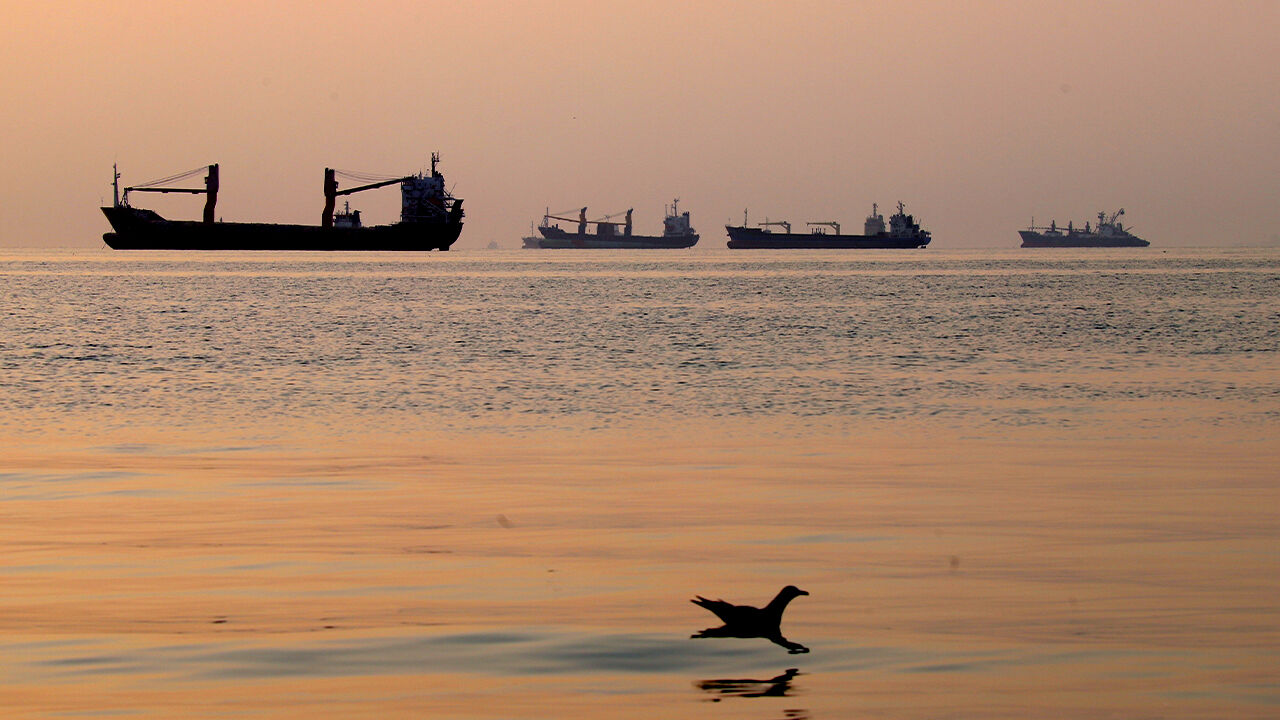
Summary The Iranian military announced on October 27 that an oil tanker caught fire and sustained damage after striking a naval mine in the eastern Strait of Hormuz. According to Iranian officials, the incident occurred after the tanker attempted to transit through a restricted and dangerous maritime zone with its tracking systems turned off.
The statement directly counters recent claims made by the United States military. Just days prior, Brad Cooper, commander of U.S. Central Command, completed an aerial assessment of military deployments aboard a CH-47 Chinook helicopter and declared that primary transport lanes through the strait were safe and clear of Iranian naval mines due to coalition efforts. However, Tehran emphasized that the vital maritime corridor remains effectively blockaded, warning that commercial vessels must coordinate passage procedures with Iranian authorities in advance to ensure safe transit.
This latest development marks a sharp escalation in maritime friction across the Strait of Hormuz, a critical global choke point for international crude oil shipments. The Islamic Revolutionary Guard Corps (IRGC) previously claimed that two very large crude carriers (VLCCs) hit mines while deviating from designated corridors on October 23, following an earlier report on October 20 of three tankers striking mines under similar conditions. With conflicting claims between Washington and Tehran, commercial shipping in the Persian Gulf continues to face severe operational and security risks.
Sponsored · Ad