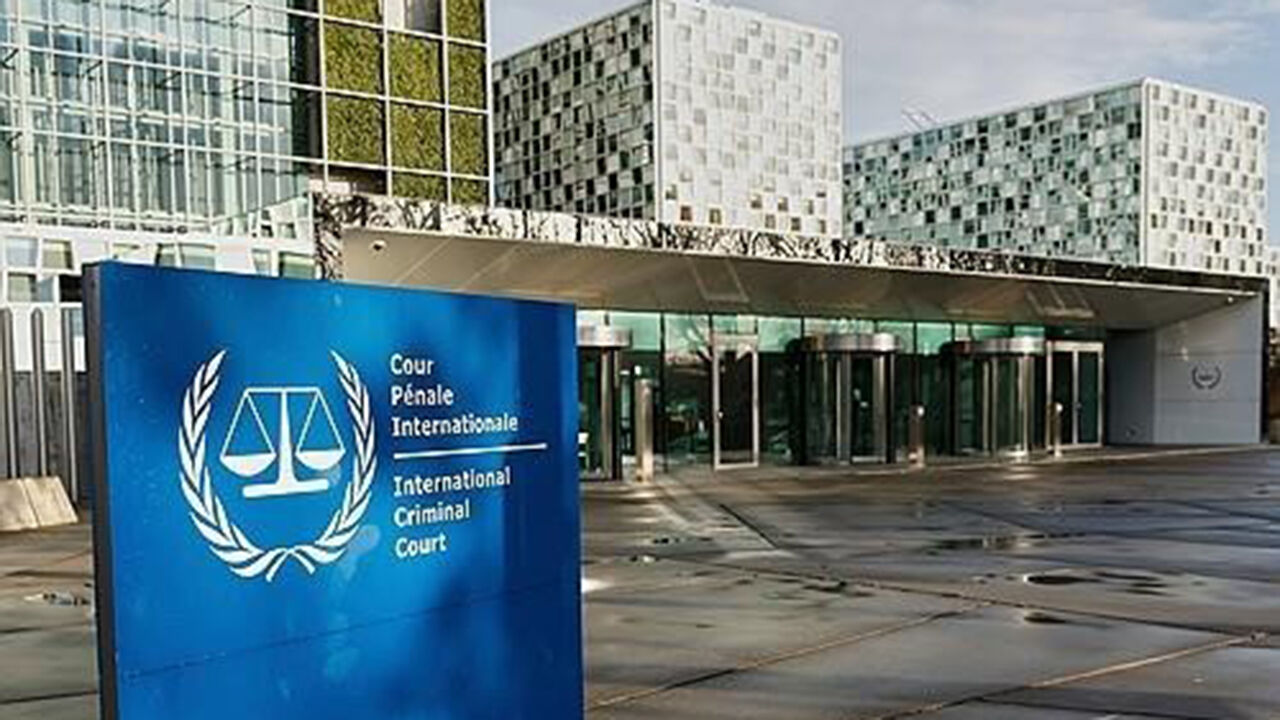
Facing US Sanctions, International Criminal Court Awarded EU's Highest Human Rights Honor
Key Points
- The European Parliament awarded the 2026 Sakharov Prize for Freedom of Thought to the International Criminal Court and its staff in recognition of their defense of international law.
- The story garners keen attention in South Korea, where jurist Paek Ki-bong serves as one of the court's 18 sitting judges.
- The prestigious European honor arrives amidst unprecedented friction with the United States, which imposed steep sanctions and called for dismantling the tribunal over recent war crimes arrest warrant
Summary The International Criminal Court (ICC) and its dedicated personnel have been awarded the prestigious Sakharov Prize for Freedom of Thought, Europe's highest human rights honor. European Parliament President Roberta Metsola announced the recipient at the European Parliament in Strasbourg, France, prompting a standing ovation across the plenary hall. Metsola emphasized that the European Union was built upon respect for multilateralism and international institutions, noting that the award honors the ICC's indispensable mission to defend international law, global accountability, and justice.
Accepting the recognition, ICC President Tomoko Akane released an official statement underscoring the deep significance of the accolade. She noted that receiving the Sakharov Prize comes at a pivotal juncture when the court and its officials face unprecedented challenges—most notably severe geopolitical pressures and sanctions designed to impede their judicial duties. Established in 1988 and named in tribute to Soviet dissident, physicist, and Nobel Peace Prize laureate Andrei Sakharov, the annual prize celebrates individuals and entities demonstrating extraordinary courage in defending human rights and fundamental freedoms.
Headquartered in The Hague, Netherlands, the ICC operates as a permanent international tribunal established in 2002 under the Rome Statute to prosecute genocide, war crimes, and crimes against humanity. The European recognition arrives amid mounting friction with the United States. Following the announcement of South African jurist and former ICC judge Navi Pillay receiving the Nobel Peace Prize, the Trump administration enacted aggressive sanctions targeting the court. Washington has openly criticized the ICC for perceived political bias and pushed toward dismantling the institution, particularly over arrest warrants issued against Israeli Prime Minister Benjamin Netanyahu concerning alleged war crimes in Gaza. The US has long maintained distance from the ICC, having never ratified the Rome Statute over sovereignty and jurisdiction concerns regarding American military personnel.
From a Korean perspective, the court holds distinct institutional relevance. The tribunal comprises 18 judges serving nine-year terms, and South Korean legal scholar and jurist Paek Ki-bong currently serves on the bench. As South Korea has consistently maintained active representation and engagement within prominent international judicial bodies, developments surrounding the ICC's independence and international standing resonate strongly across Korean diplomatic and legal circles.
Sponsored · Ad