NASA's 1.5-Ton Swift Space Telescope Set to Crash to Earth Following Failed In-Orbit Rescue
Key Points
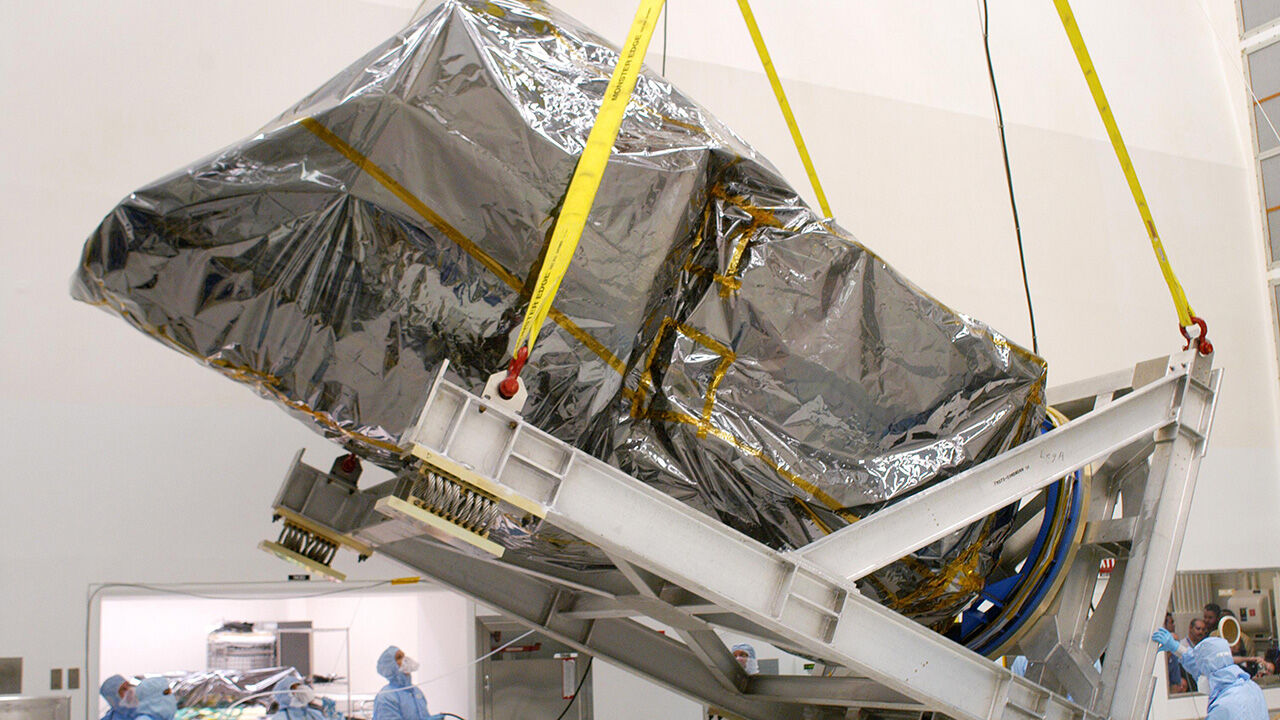
- NASA's 1.5-ton Neil Gehrels Swift space telescope is scheduled to re-enter Earth's atmosphere after more than 20 years in orbit.
- Korean media drew attention to the event following the failure of a private rescue spacecraft, Link, which lost control before it could rendezvous with the observatory.
- While most of the spacecraft will incinerate upon entry, durable tungsten pieces are expected to splash down harmlessly into the ocean, with the risk of human injury estimated at just 1 in 2,100.
Summary A dramatic chapter in space exploration is coming to an end as NASA's Neil Gehrels Swift Observatory—a 1.5-ton space telescope launched in 2004—is slated to re-enter Earth's atmosphere after a rescue mission failed. South Korean news outlets, including SBS, have highlighted the impending re-entry, capturing international public attention regarding where the surviving remnants will land.
Over its more than two decades of groundbreaking service, Swift observed more than 2,000 gamma-ray bursts and over 1,400 stellar explosions, playing a pivotal role in studying high-energy phenomena across the cosmos. However, more than twenty years in low Earth orbit caused its orbit to gradually decay, raising inevitable risks of an uncontrolled atmospheric plunge.
In an ambitious attempt to extend its operational life, NASA partnered with commercial startup Katalyst Space Technologies to launch a specialized rescue spacecraft named Link. The mission aimed to rendezvous with Swift, latch onto it, and boost it back into a safe operational orbit. Unfortunately, Link spun out of control following its launch and failed to make contact with the telescope, sealing Swift's fate.
Most of the 1.5-ton observatory is expected to burn up upon atmospheric re-entry. However, denser components—particularly tungsten elements—are anticipated to survive the intense friction and fall into ocean waters. Authorities project a wide re-entry corridor covering parts of Africa, Australia, India, Southeast Asia, and Latin America. NASA reassured the public that the danger to human life remains minuscule, estimating the risk of harm to anyone on Earth at approximately 1 in 2,100. As astronomer John Nousek of Pennsylvania State University reflected, scientists knew this day would eventually arrive: what goes into low Earth orbit must ultimately come down.
Sponsored · Ad