Retro Tech Revival: How the AI Boom Brought Magnetic Tape Back from the Dead
Key Points
- Fujifilm is investing 10 billion yen to boost its production capacity for data-preserving magnetic tapes by five times to meet demand from AI data centers.
- Once considered a fading mature technology pushed aside by SSDs and HDDs, magnetic tape is re-emerging as an indispensable tool for securing and backing up massive AI datasets.
- Magnetic tapes can be kept entirely offline away from networks, offering financial and research institutions cheap storage and robust defense against cyberattacks.
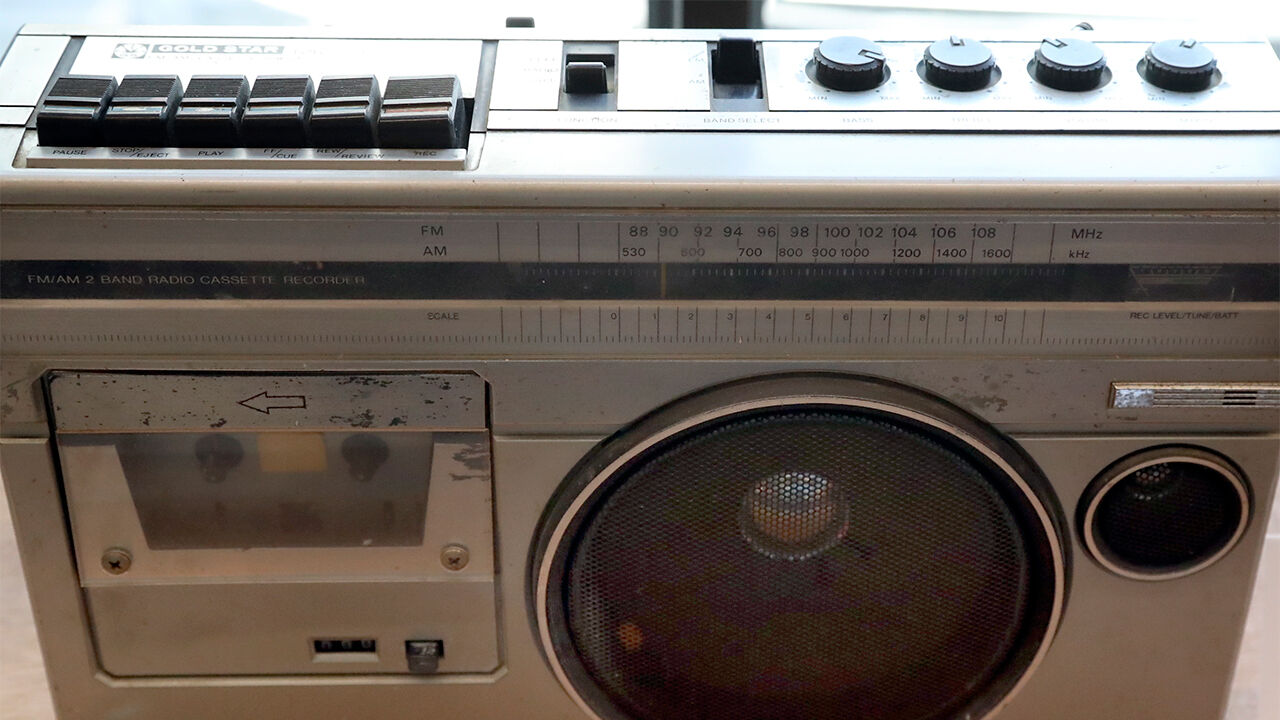
Summary The humble magnetic tape, once an iconic symbol of analog home audio and retro cassette players remembered fondly by generations who grew up rewinding tapes with pencils, is staging a remarkable comeback in the digital age. Long relegated to obsolescence by high-speed solid-state drives (SSDs) and hard disk drives (HDDs), this legacy technology is finding a vital second life in hyperscale data centers powering the artificial intelligence boom.
According to industry reports, major manufacturer Fujifilm is ramping up its production capacity for data storage magnetic tapes by fivefold. The company plans to invest 10 billion yen (roughly 85 billion KRW) by 2028 into its Odawara manufacturing facility in Kanagawa Prefecture, Japan. The focus of the expansion centers on cutting-edge high-capacity tapes capable of holding up to 100 terabytes (TB) per unit. This marks Fujifilm’s first major capital expansion in magnetic tape manufacturing in two decades, following its pioneering work in broadcast magnetic tapes that began back in 1954.
The sudden revival of magnetic tape is driven by the explosive growth of generative AI, which has triggered massive construction of data centers worldwide and a skyrocketing demand for reliable, long-term archival storage. While modern SSDs and HDDs offer far superior transfer speeds, magnetic tape provides critical advantages that modern digital storage cannot easily replicate. Chief among them is security: magnetic tapes can be completely severed from physical networks—a practice known as air-gapping—drastically lowering the risk of cyberattacks, unauthorized tampering, or data destruction.
In addition to superior resilience against cyber threats, magnetic tape is substantially more cost-effective for holding gargantuan volumes of cold data. Financial institutions, high-performance research laboratories, and AI supercomputing facilities rely heavily on magnetic tape backups to preserve proprietary training sets and confidential records securely. This unexpected convergence highlights how mature, decades-old analog engineering is stepping in to solve some of the most critical infrastructure vulnerabilities of the generative AI era.
Sponsored · Ad