Iran Targets US Radar Bases in Bahrain as Middle East Tensions Escalate
Key Points
- The Islamic Revolutionary Guard Corps (IRGC) has launched multiple drone strikes against US military radar systems in Bahrain in recent days.
- The US is responding by reinforcing its naval presence, moving the USS Theodore Roosevelt carrier strike group into the operational zone.
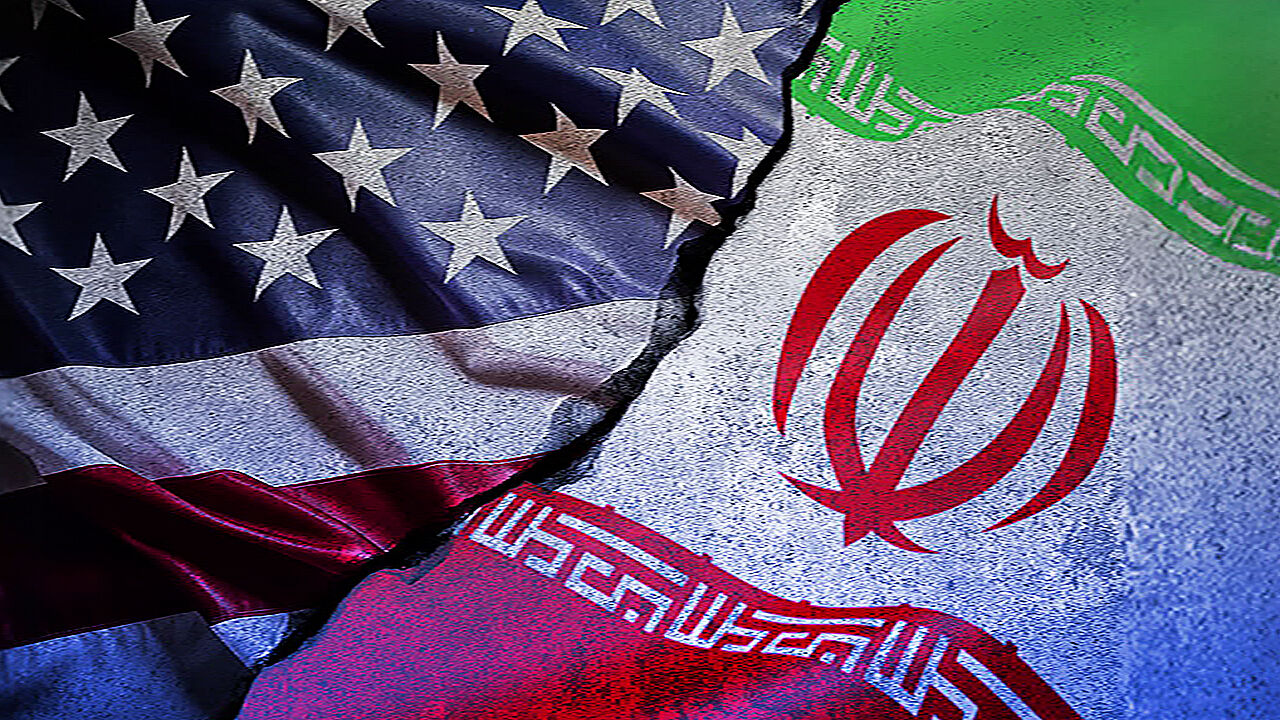
- This escalation signals a significant breakdown in regional diplomacy, heightening fears of a wider conflict since the US-Israel-Iran standoff intensified in early 2026.
Summary In a concerning turn of events for regional stability, Iran's Islamic Revolutionary Guard Corps (IRGC) has ramped up its military activities, specifically targeting US radar facilities stationed in Bahrain. According to recent reports from SBS News, these persistent drone strikes against US assets have heightened alarms, effectively stalling any potential for diplomatic de-escalation in the region.
The IRGC claims these actions are a direct, 'justified' response to what they characterize as persistent US drone incursions into Iranian airspace. However, the international community views these provocations as a deliberate attempt by Tehran to neutralize US surveillance and defensive capabilities. Bahrain, a critical strategic hub that hosts the headquarters of the US Fifth Fleet, has found itself on the front lines, with local authorities confirming successful interceptions of these aerial threats. As a safety precaution, Bahraini officials have been forced to urge residents to seek shelter in bunkers, underscoring the gravity of the situation for the local population.
From the perspective of South Korean media and the general public, this news is followed with intense focus, not just for its geopolitical implications, but for its potential impact on global energy security. South Korea remains heavily dependent on energy imports passing through the Middle East, meaning that any disruption in these strategic waters—such as those involving Bahrain’s radar networks—is viewed as a direct threat to the nation's economic stability. The coverage by SBS News reflects this deep anxiety regarding the volatility of the region.
The US response has been swift and firm. By maneuvering the USS Theodore Roosevelt carrier strike group into the operational theater, Washington is signaling its intent to bolster its defensive and offensive capabilities in the face of Iranian aggression. This maneuver is widely seen as an attempt to regain the upper hand and deter further incursions.
This latest cycle of violence is the continuation of a conflict that has been festering since February 28, 2026. With diplomatic channels currently frozen, observers fear that the IRGC’s strategy of attrition—specifically targeting radar and defense systems—is a calculated move to gain leverage in a post-conflict scenario. As the situation evolves, the international community, including South Korea, remains on high alert, watching for any sign that these localized skirmishes might spiral into a broader regional war.
Sponsored · Ad