Over $1 Trillion Erased from Global AI and Chip Stocks in Four Days as Korean Tech Giants Take a Hit
Key Points
- More than $1 trillion in market capitalization evaporated from the world's top 20 AI and semiconductor companies over four trading days amid rising interest rates and oversupply concerns.
- South Korean memory leaders Samsung Electronics and SK Hynix accounted for a massive portion of the losses, heightening widespread anxiety among domestic retail investors.
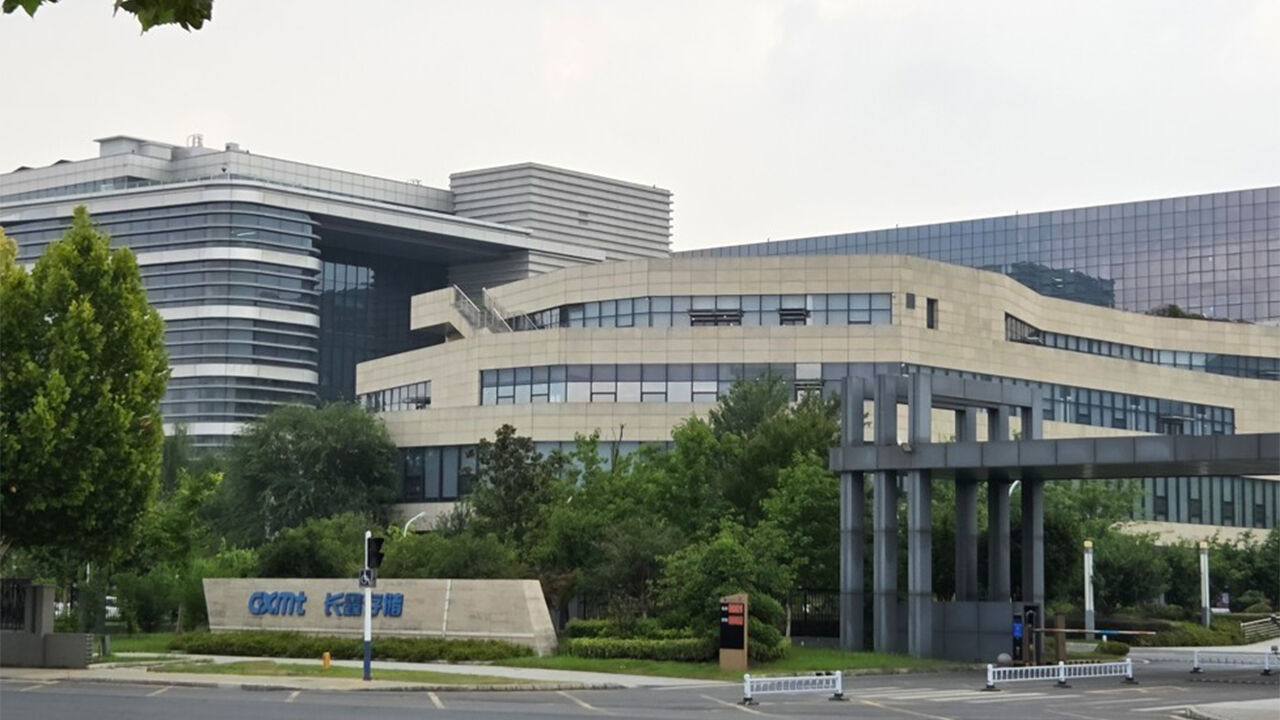
- The plunge comes amid escalating pressure from China's CXMT and growing market skepticism over the sustainability of the current AI hardware supercycle.
Summary Global financial markets were rattled as more than $1 trillion in market capitalization was erased from the world’s top 20 artificial intelligence and semiconductor giants in just four trading days. Driven by a volatile mix of renewed interest rate hike concerns from the U.S. Federal Reserve, anxieties over heavy AI capital expenditure, and aggressive competition from Chinese chipmakers, the sell-off sent shockwaves through both Wall Street and South Korea’s tech-heavy markets.
South Korea’s two semiconductor pillars—SK Hynix and Samsung Electronics—bore a substantial brunt of the global downturn, seeing their market values plunge by $243.8 billion and $237.3 billion, respectively. Together with Micron, the memory semiconductor 'Big Three' accounted for roughly 40% of the entire trillion-dollar drop across the top 20 firms. Across the broader memory and storage sector, including Western Digital, Kioxia, and SanDisk, total capitalization losses exceeded $1.09 trillion since the start of October. Even market bellwether Nvidia tumbled over 5%, shedding nearly $291 billion in value, while foundry titan TSMC saw its shares fall despite reporting robust fourth-quarter revenue projections exceeding $54 billion.
A major catalyst behind the sharp market anxiety is the rapid technological catch-up of Chinese memory manufacturers, led by ChangXin Memory Technologies (CXMT). CXMT’s recent breakthrough in high-density memory architecture has amplified fears of a looming memory oversupply by 2028 or 2029—a sentiment echoed by Tesla CEO Elon Musk, who noted on X that China would produce massive volumes of RAM by 2028. Wall Street analysts warned that such supply dynamics pose a direct competitive threat primarily to South Korean heavyweights Samsung and SK Hynix.
In South Korea, where Samsung Electronics is culturally regarded as the 'national stock' (gukminju) held by millions of retail investors, semiconductor market fluctuations are not merely industrial data points; they represent a matter of intense public and societal concern. While some industry analysts maintain that surging long-term AI hardware demand will prevent an old-fashioned cyclical crash, the sudden tumble has reignited fierce debate across Seoul's financial circles over whether the AI supercycle is entering a perilous cooling period.
Sponsored · Ad