US Death Row Inmate Wakes Up After Surviving Execution with Two Doses of Lethal Drugs
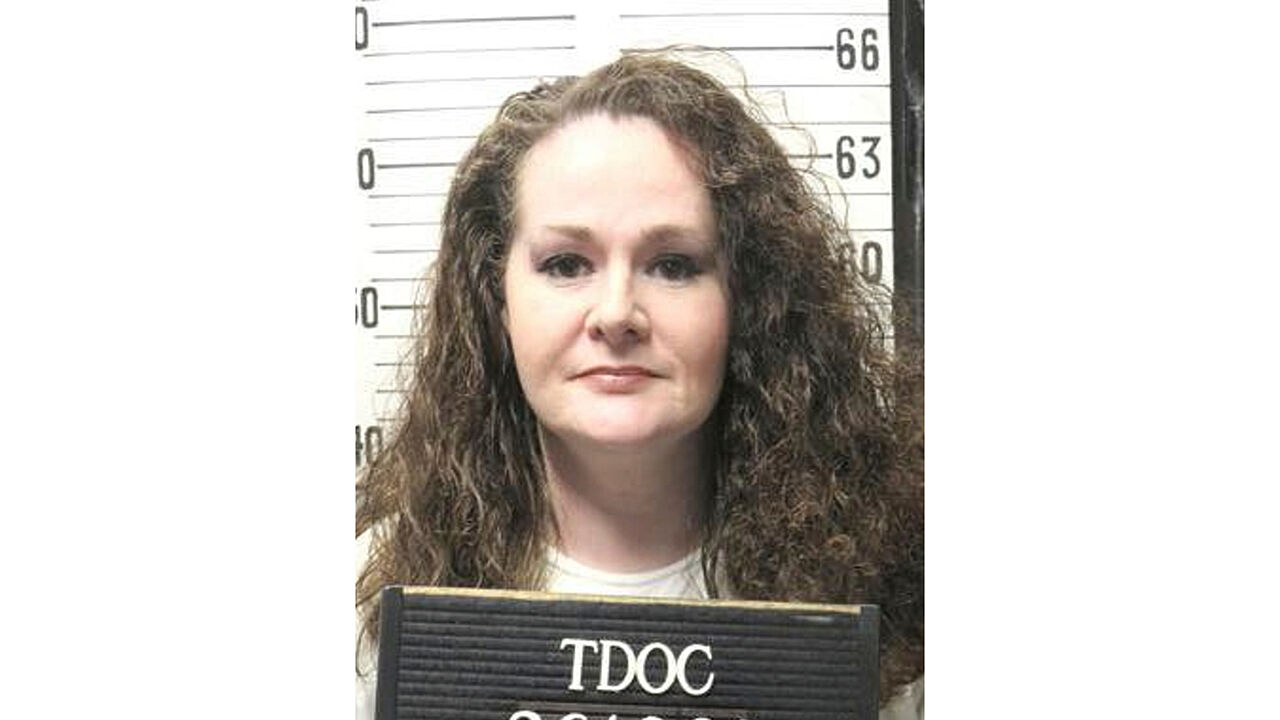
Key Points
- Christa Pike, a 50-year-old death row inmate in Tennessee, regained consciousness and began speaking one week after surviving two doses of lethal injection drugs.
- The medical anomaly has caused shock and scrutiny across South Korean news media, leading to the resignation of Tennessee's corrections chief and an immediate pause on state executions.
- Pike, who spent 30 years on death row following a 1995 conviction, was administered pentobarbital, a drug at the center of ongoing political and legal disputes regarding capital punishment.
Summary In an unprecedented turn of events that has caught the attention of international media and South Korean news outlets alike, an American death row inmate has regained consciousness after surviving a botched lethal injection. Christa Pike, 50, woke up and began speaking roughly a week after authorities in Tennessee administered two separate doses of lethal execution drugs, according to statements released by her defense attorneys.
The botched procedure occurred on September 30 at a correctional facility in Nashville, Tennessee. Pike was rushed to a nearby hospital in critical condition after the two doses failed to end her life. Her legal team noted that while she has regained consciousness and the ability to speak, her medical prognosis remains uncertain, and her recovery will be extensive. Despite severe injuries to both of her arms sustained during the failed execution attempts, Pike remains shackled and handcuffed to her hospital bed while undergoing intensive medical care.
Pike was originally sentenced to death following the 1995 murder of 19-year-old Colleen Slemmer, committed when Pike was just 18 years old alongside her then-boyfriend. She spent three decades on death row before facing execution. The drug utilized during the execution was pentobarbital, a substance heavily disputed in American legal and political battles over capital punishment. After being adopted under the first Trump administration and later suspended under the Biden administration over concerns of unnecessary suffering, the drug saw re-authorization for federal executions in early 2025.
The extraordinary survival has triggered immediate institutional fallout in Tennessee. State Governor Bill Lee halted all upcoming executions scheduled for the remainder of the year and ordered a comprehensive independent third-party investigation into the incident. Meanwhile, Frank Strada, head of the Tennessee Department of Correction and supervisor of the execution, announced his resignation. For Korean readers following global human rights and judicial developments, the story highlights the ongoing debates and procedural crises surrounding capital punishment protocols worldwide.
Sponsored · Ad