Global Alert Sparked as Russian Lab Worker Dies of Mysterious Pneumonia After Breaking Plague Vial
Key Points
- A 28-year-old Russian researcher died of severe unexplained pneumonia days after breaking a test tube containing plague pathogens at an Irkutsk facility.
- Russian authorities deny plague was the cause of death, but the lack of transparent pathogen identification has triggered calls from the WHO and prompted South Korea's KDCA to heighten border monitori
- While pneumonic plague poses rapid airborne risks, South Korea assessed the domestic risk as very low and placed specialized isolation wards on standby.
Summary Global health authorities and online communities are closely watching Russia following the mysterious death of a 28-year-old laboratory researcher in Irkutsk, sparking international apprehension over potential pathogen leaks.
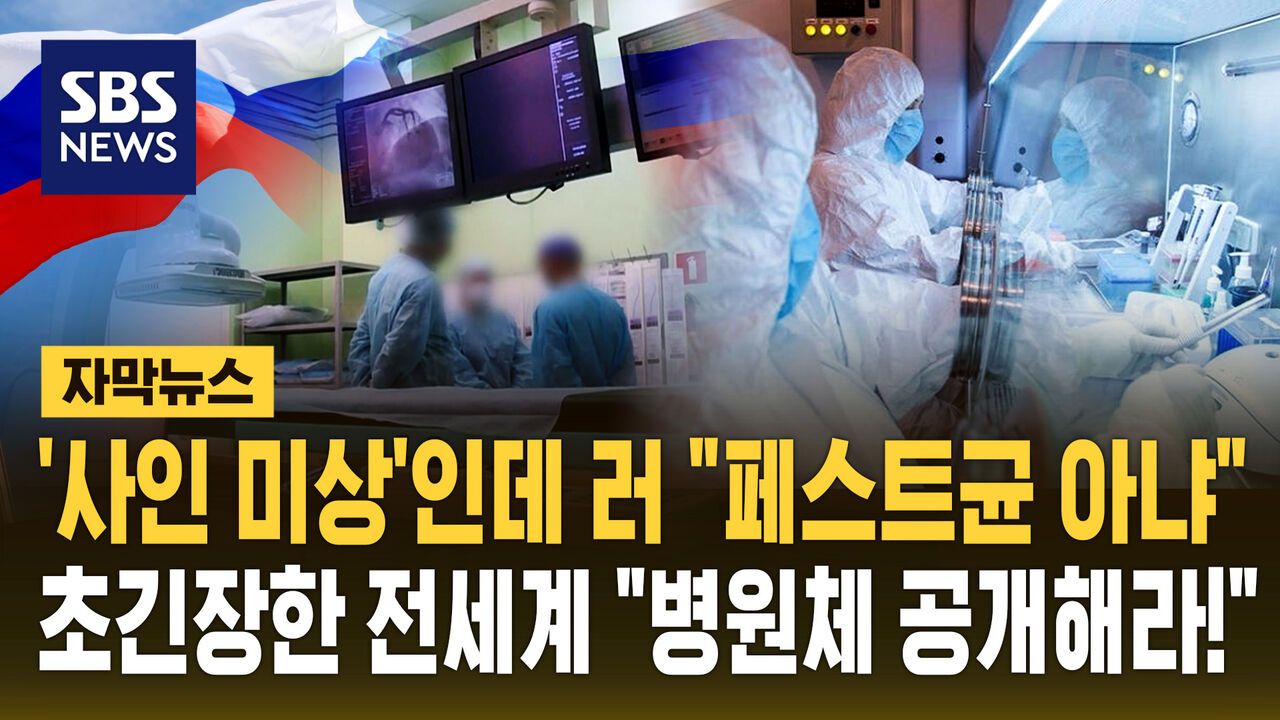
According to reports, the researcher, identified as Dariya Shipilova, was working at a specialized plague research institute when she accidentally broke a test tube containing plague pathogens on September 25. Just four days after the mishap, Shipilova was hospitalized with severe pneumonia symptoms and subsequently died earlier this month. Russian health authorities publicly attributed her death to "unexplained pneumonia," igniting immediate speculation and alarm across the global medical community given the facility's nature and the timing of the accident.
Despite growing anxiety, Russian health authorities have insisted that post-mortem testing showed no presence of *Yersinia pestis*—the plague bacterium—in Shipilova's remains, nor any traces of other dangerous pathogens handled at the facility. Officials stated that two comprehensive site inspections revealed no emergency breach or containment leaks, and follow-up screening of all known contacts found zero secondary infections. However, the World Health Organization (WHO) and international observers continue to demand transparent disclosure of the exact pathogen that triggered the fatal pneumonia, as thousands of tests have yet to clarify the root cause.
In South Korea, where public health authorities and citizens maintain heightened vigilance regarding respiratory infectious diseases following major global outbreaks, the Korea Disease Control and Prevention Agency (KDCA) swiftly held a rapid risk assessment and monitoring meeting. The KDCA evaluated the comprehensive domestic risk level as "low" and the likelihood of domestic outbreak as "very low," noting that pneumonic plague can transmit via human respiratory droplets if left unchecked. As a proactive safeguard, South Korean authorities have heightened border surveillance for inbound travelers with a history of visiting Russia who show fever or respiratory symptoms, preparing national designated isolation beds for immediate response if suspected cases emerge.
Sponsored · Ad