From Teenage Face of Hong Kong's Umbrella Movement to Facing Prison Until 40: Joshua Wong Handed 10 Additional Years
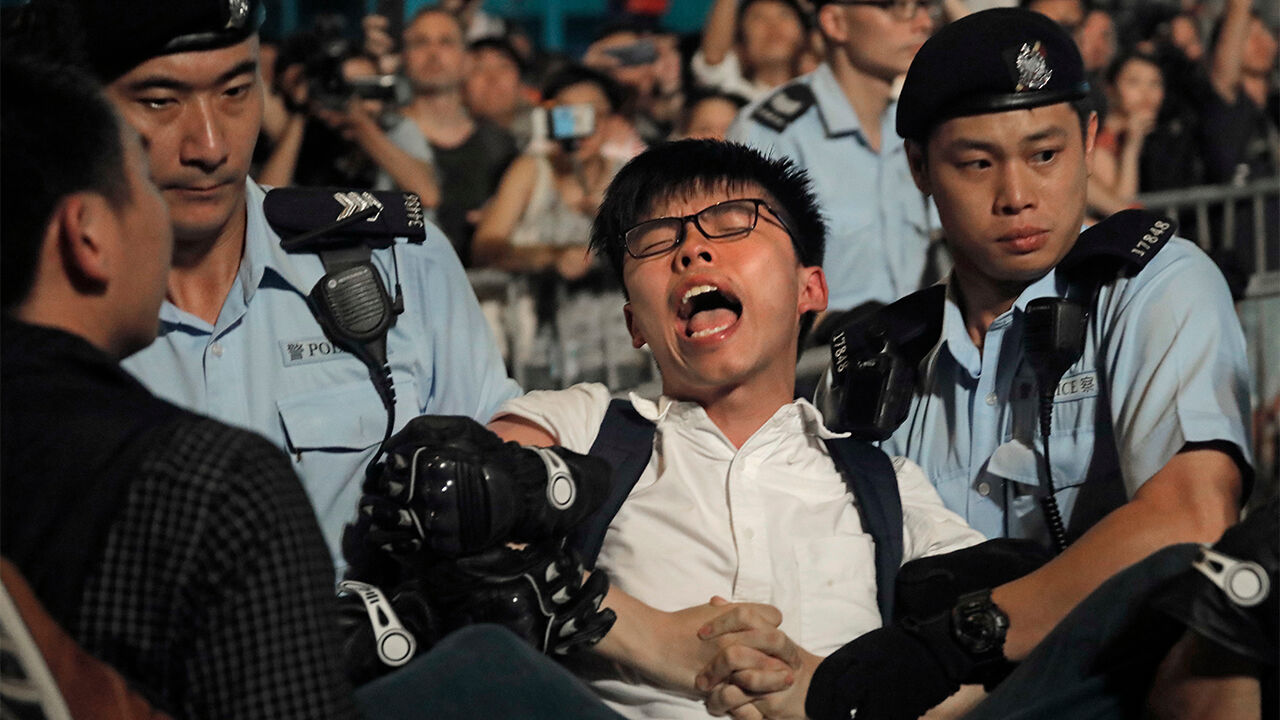
Key Points
- Hong Kong activist Joshua Wong received an additional 10-year prison sentence on charges of colluding with foreign forces, postponing his release until 2036 when he will turn 40.
- The ruling has drawn intense focus across Korean and global media as a landmark moment marking the effective end of Hong Kong's mass demonstration era.
- Wong became a global symbol of youth-led resistance during the 2014 Umbrella Movement, where protesters famously used umbrellas to shield against tear gas.
Summary Prominent Hong Kong democracy activist Joshua Wong has been handed an additional 10-year prison sentence under the national security law, meaning he is expected to remain behind bars until 2036, when he turns 40. Wong, who rose to international prominence as a teenage activist during Hong Kong's 2014 Umbrella Movement, had originally been scheduled for release in January. However, the Hong Kong High Court sentenced him on charges of colluding with foreign forces, a move widely described by international observers as signaling the definitive end of Hong Kong's era of mass street protests.
Wong's journey mirrors the trajectory of Hong Kong's youth-led civic activism over the past decade and a half. Beginning his civic involvement at just 14 years old, Wong co-founded the student group Scholarism (학민사조) in 2011, successfully organizing over 100,000 demonstrators against Beijing's planned patriotic education curriculum. By 2014, at the age of 17, his slight frame and thick black-rimmed glasses became the defining face of the Umbrella Movement—so named because peaceful demonstrators used umbrellas to shield themselves from police pepper spray and tear gas. His activism catapulted him onto the cover of Time magazine and led to Nobel Peace Prize nominations, followed by the founding of the pro-democracy political party Demosisto in 2016.
The legal landscape in Hong Kong shifted dramatically following Beijing's enactment of the Hong Kong National Security Law in June 2020, which criminalized acts interpreted as secession, subversion, terrorism, and collusion with foreign entities. Wong has remained in custody since November 2020 over various charges tied to the 2019 anti-government demonstrations. Analysts and international think tanks, including the SOAS China Institute, noted that Wong's extended term sends an unmistakable warning that authorities will tolerate no challenge to their governance. The ruling comes alongside heavy sentences for other prominent figures, including legal scholar Benny Tai and media tycoon Jimmy Lai.
The sentence has drawn sharp international condemnation as Hong Kong approaches the 30th anniversary of its 1997 handover from Britain to China, an agreement originally framed around the principle of maintaining high autonomy and civil liberties. Global bodies and rights groups, including the European Union, Amnesty International, and the U.S. Consulate General in Hong Kong, have denounced the charges as politically motivated crackdowns on fundamental freedoms. In response, China's Ministry of Foreign Affairs defended the judicial decision, urging foreign governments to refrain from interfering in its domestic affairs.
Sponsored · Ad