From Classroom Grievances to Street Clashes: How French High School Protests Sparked a National Uprising
Key Points
- French high school students have expanded school blockades across the nation over severe educator shortages and overcrowded classrooms.
- The movement gained viral traction through social media posts featuring students in superhero costumes before evolving into broader protests involving unions and citizens.
- Since 2007, France added 189,000 secondary students while cutting 11,600 teachers, sparking intense scrutiny over state underinvestment in public education.
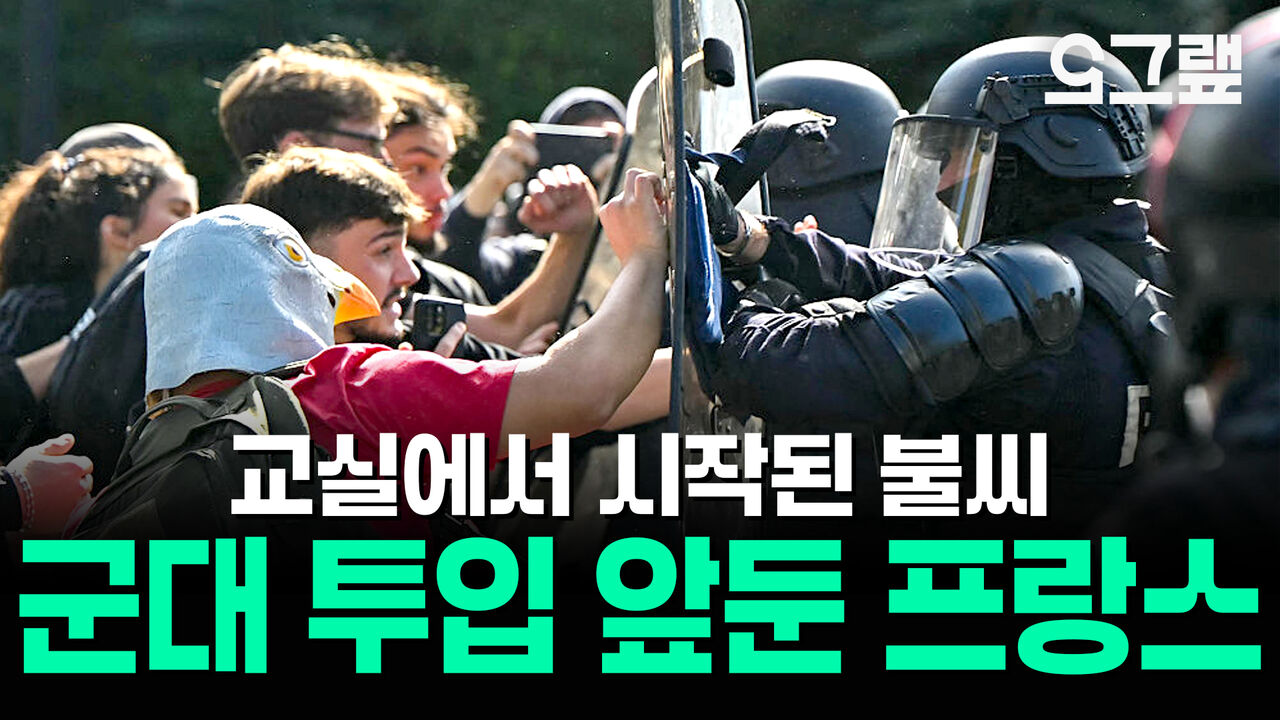
Summary What started as a high school classroom walkout near Paris has snowballed into an explosive nationwide protest movement in France, drawing in university students, labor unions, and everyday citizens—and even prompting concerns over imminent military deployment.\n\nAccording to an analysis by SBS News' visual data segment 'Ograph,' the root of the crisis lies in a chronic structural deficit within the French public school system. Since 2007, France's secondary school student population has grown by roughly 189,000, yet the teaching workforce was slashed by approximately 11,600 educators during the same period. This imbalance has pushed public classrooms to the brink, with crowded classes of 30 or more students accounting for as much as 68% of classes in certain public high schools.\n\nFrustrated by deteriorating learning conditions and severe understaffing, high schoolers staged school blockades in the Paris suburbs in mid-September. Within days, neighboring districts joined in, and by late September, the action had swept across the country. Fueling the movement's rapid expansion was Gen Z digital culture: viral clips of students picketing in superhero costumes like Spider-Man and Deadpool spread across social media, transforming classroom grievances into a high-visibility, youth-led political rallying cry.\n\nAs the strikes entered their second month, the movement broadened into a general public confrontation over public service austerity. With college students and major labor unions joining the fold, tensions escalated, leading to instances of arson and looting in several areas. While authorities have blamed far-left radical elements and opportunistic agitators for escalating street violence, demonstrators and citizens maintain that the state must answer for decades of neglect and public sector decay. The situation highlights how youth-driven digital activism can swiftly expose long-simmering systemic fractures onto the global stage.
Sponsored · Ad