Riyadh Airport Struck Again by Missile Fire Just One Day After Deadly Attack Claims 13 Lives
Key Points
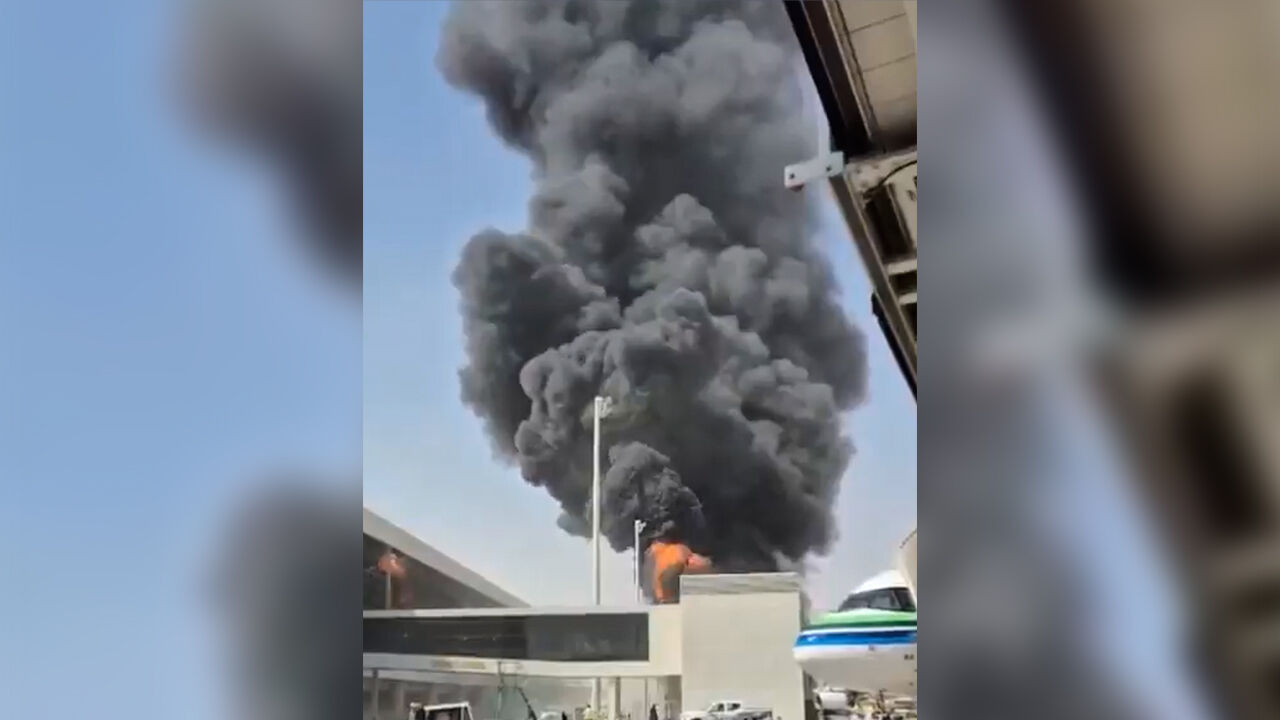
- A projectile struck Terminal 4 at Riyadh's King Khalid International Airport, killing one person and injuring 11 just a day after a prior attack killed 13 multinational civilians.
- The story is heavily featured in Korean international reporting due to severe disruptions to Middle Eastern aviation routes, school closures in Riyadh, and rising geopolitical peril.
- Yemen's Houthi rebels claimed responsibility and warned global airlines to avoid Saudi airspace, marking the most intense civilian infrastructure crisis in the kingdom in over a decade.
Summary Saudi Arabia's capital of Riyadh was shaken once again as a projectile struck King Khalid International Airport's Terminal 4 on October 11, killing a Pakistani national and injuring 11 others, just one day after a devastating missile strike at the same hub claimed 13 lives and wounded approximately 300 people.
The Saudi-led coalition confirmed that emergency responders extinguished a fire triggered by the hit on the terminal, while air defense systems managed to intercept a separate cruise missile nearby. Powerful shockwaves and twin explosions rattled central and northern districts of Riyadh, prompting terrified residents to report shaking houses and widespread panic. In response to the escalating danger and to assess structural damage, civil aviation authorities fully grounded flight operations across Riyadh's airport and ordered schools and universities to transition immediately to distance learning.
Yemen's Iran-aligned Houthi rebels claimed responsibility, stating their military launched ballistic missiles, cruise missiles, and drones in retaliation for what they described as intense coalition airstrikes. Houthi military spokesperson Yahya Saree asserted that their operations paralyzed Saudi aviation hubs and claimed strikes also hit vital Aramco energy installations in the Eastern Province. The group subsequently issued open warnings to international airlines, passengers, and staff to steer clear of Saudi air facilities, declaring all domestic airports outside the holy sites of Mecca and Medina active operational targets.
For international and Korean observers monitoring Middle Eastern geopolitical instability, the incident represents one of the most severe attacks on Saudi civil infrastructure in over a decade. South Korean media highlighted the strike given its severe disruption to major international transport networks and the heightened security risks confronting multinational travelers and expatriate workforces stationed across the Gulf region.
Sponsored · Ad